ومع تغير القواعد البيئية في جميع أنحاء العالم، فإن اختيار المبردات يشكل الأداء الدائم لإعدادات سلسلة التبريد. في المنطقة الصعبة للتجهيز البحري ، حيث تسود درجات الحرارة المنخفضة جدا والبيئات القاسية ، فإن اختيار عامل تبريد موثوق به يثبت أنه ضروري. وتبحث هذه المقالة لماذا يظل R507 عنصراً رئيسياً للمصانع الساحلية التي تبحث عن أعلى جودة وعمليات ثابتة. للتعامل مع هذه الاحتياجات التصميمية المعقدة، تستفيد المرافق من شريك له تاريخ من الأداء القوي. تقنية القمرتعتبر الشركة، التي تمثل 70 عاما من التقدم منذ عام 1956، رائدة عالميا في مجال التبريد المبرد ومعدات الطاقة. كشركة متنوعة ومعروفة عالميا مدرجة في البورصة ، فقد تحولت من صانع أساسي إلى كيان حالي يركز على الخدمات. مع قوة البحث والتطوير القوية وسلسلة التوريد الكاملة، تقدم حلول التجميد المتكاملة التي تمتد من تصميم المشروع إلى الصيانة المستمرة، بحيث تظل المصانع فعالة على مدى سنوات عديدة.
نظرة عامة على أنظمة R507 في سلاسل التبريد البحرية الحديثة
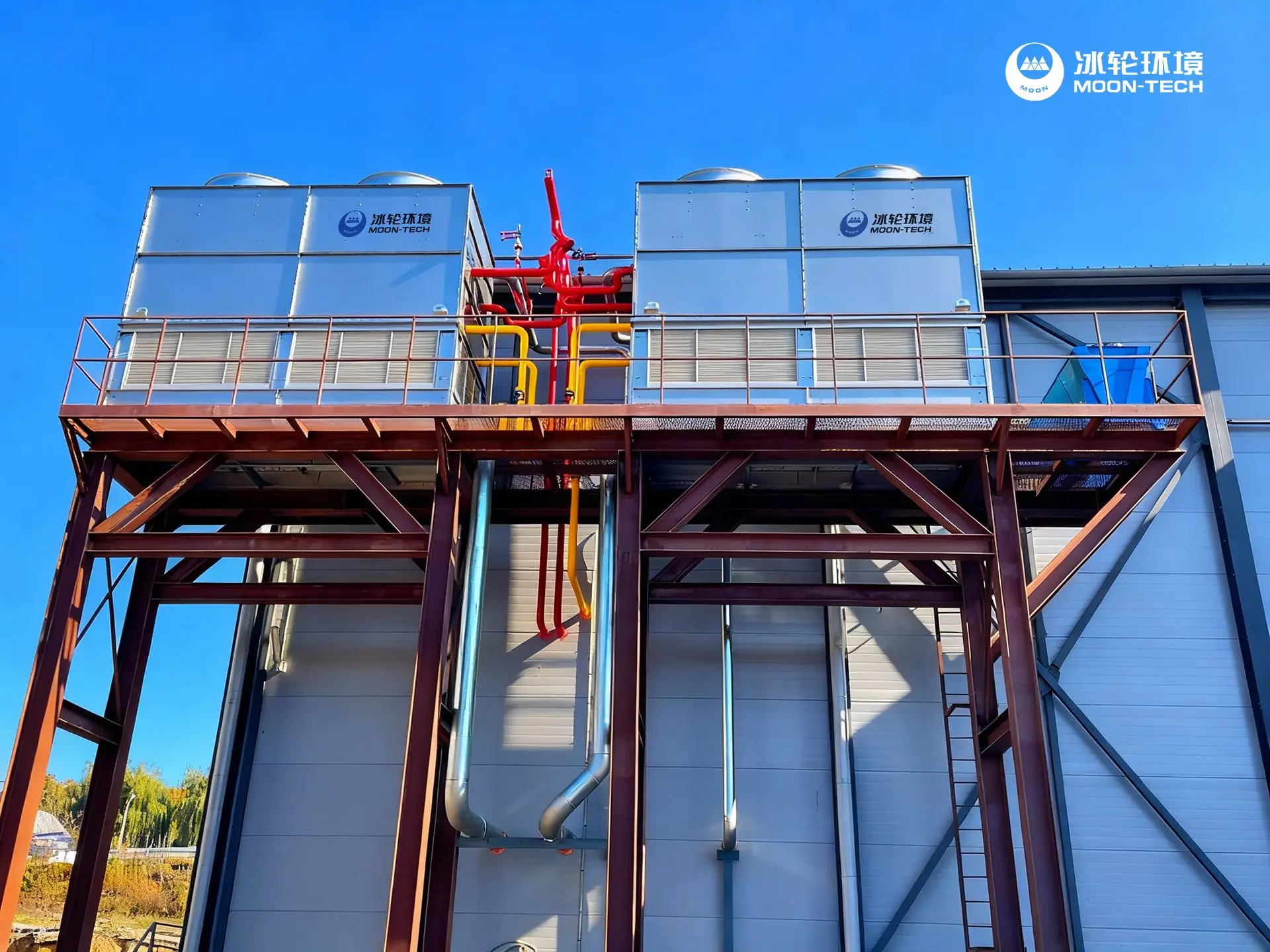
وفي قطاع المأكولات البحرية، تحدد وتيرة إزالة الحرارة قيمة السلع النهائية. تكتسب أنظمة R507 التفضيل لأنها توفر مستوى قوي من الاتساق والأمن في العمليات الكبيرة. عند تشغيل مصنع كبير على الشاطئ البحري ، يدير مثل هذا النظام تخفيضات درجات الحرارة السريعة دون تعقيد أو ضغط مرتفع من الخيارات الأخرى ، وبالتالي يحافظ على استقرار الإنتاج اليومي على الرغم من اختلافات الطقس.
الاستقرار في معالجة المأكولات البحرية في درجات حرارة منخفضة للغاية
يوفر R507 سمات ثابتة مرتبطة بالحرارة حتى مع انخفاض مستويات التبخر بشكل حاد. تساعد هذه الموثوقية على الحفاظ على حالات التجمد العميق اللازمة للحفاظ على المواد الغذائية والصلابة في البنود القيمة مثل سمك الأسماك أو الجمبري. ونتيجة لذلك، تحقق خطوط المعالجة نتائج موحدة عبر الدفعات.
الامتثال لمعايير السلامة والبيئة العالمية
تواجه بعض المبردات قيودا سريعة ، ومع ذلك فإن R507 يعد خيارا عمليا لكل من المشاريع البحرية الحالية والطازجة بسبب تصنيفها للسلامة A1. يخلق بيئة آمنة من الحرائق ومنخفضة الضرر تتوافق مع القواعد العالمية الصارمة لحماية الأغذية. لذلك ، تلبي المرافق المتطلبات التنظيمية دون إصلاحات كبيرة.
تكامل تقنية التجميد عالية الأداء من MOON-TECH
إن إقران التصميم المستهدف مع هذا المبرد الصلب يؤدي إلى إعداد حيث تتوافق الأجزاء والسوائل بسلاسة. هذه المباراة تؤدي إلى ترتيب صناعي قوي يتحمل الضباب المالح للنباتات على جانب المحيط. بدورها، يقلل وقت التوقف في المواقع الساحلية الصعبة.
مزايا الأداء للأنظمة الكاملة القائمة على R507
الإعداد الكامل القائم على R507 يبسط منطقة المعدات عن طريق توحيد الأجزاء وروتينات العناية. بالنسبة لمهام المعالجة البحرية ، فإن هذا يجلب موثوقية أكبر وأقل فرصة للتلوث أو ارتفاعات الضغط المفاجئة. إعداد’ تظهر فعالية S بوضوح عند عقد درجات حرارة منخفضة جدا على عدة خطوط في وقت واحد.
موصلية حرارية استثنائية للتجميد السريع
يتيح R507 حركة حرارية قوية من البند إلى عناصر التبريد. هذه القدرة تضمن أن درجة الحرارة الداخلية للمأكولات البحرية تمر بنقطة تشكيل الجليد الرئيسية بسرعة. ونتيجة لذلك، تتحسن جودة المنتج من خلال دورات أسرع.
قدرة تبريد حجمية عالية في مساحات صغيرة
عادة ما تواجه المصانع البحرية حدود ضيقة للغرف ، وتوفر أنظمة R507 قوة تبريد أكبر لكل كمية من المبردات. يمكن للمرافق تناسب معدات أصغر وأقوى تحرر مساحة للتعامل مع مناطق التعبئة والتغليف. هذا التصميم يعزز الكفاءة العامة للموقع.
تشغيل مستقر في ظروف بيئية ساحلية قاسية
ارتفاع الرطوبة وتحول حرارة المحيطات يمكن أن يؤكد على تصاميم التبريد المعتادة. يحتفظ نظام R507 المصمم بشكل صحيح بضغط استيعاب قوي ، مما يمنع الضاغط من العمل الزائد أثناء تشغيل الموسم الدافئ المزدحم. وبالتالي، تستمر العمليات بسلاسة على مدار السنة.
المكونات الأساسية للمعالجة البحرية عالية الكفاءة
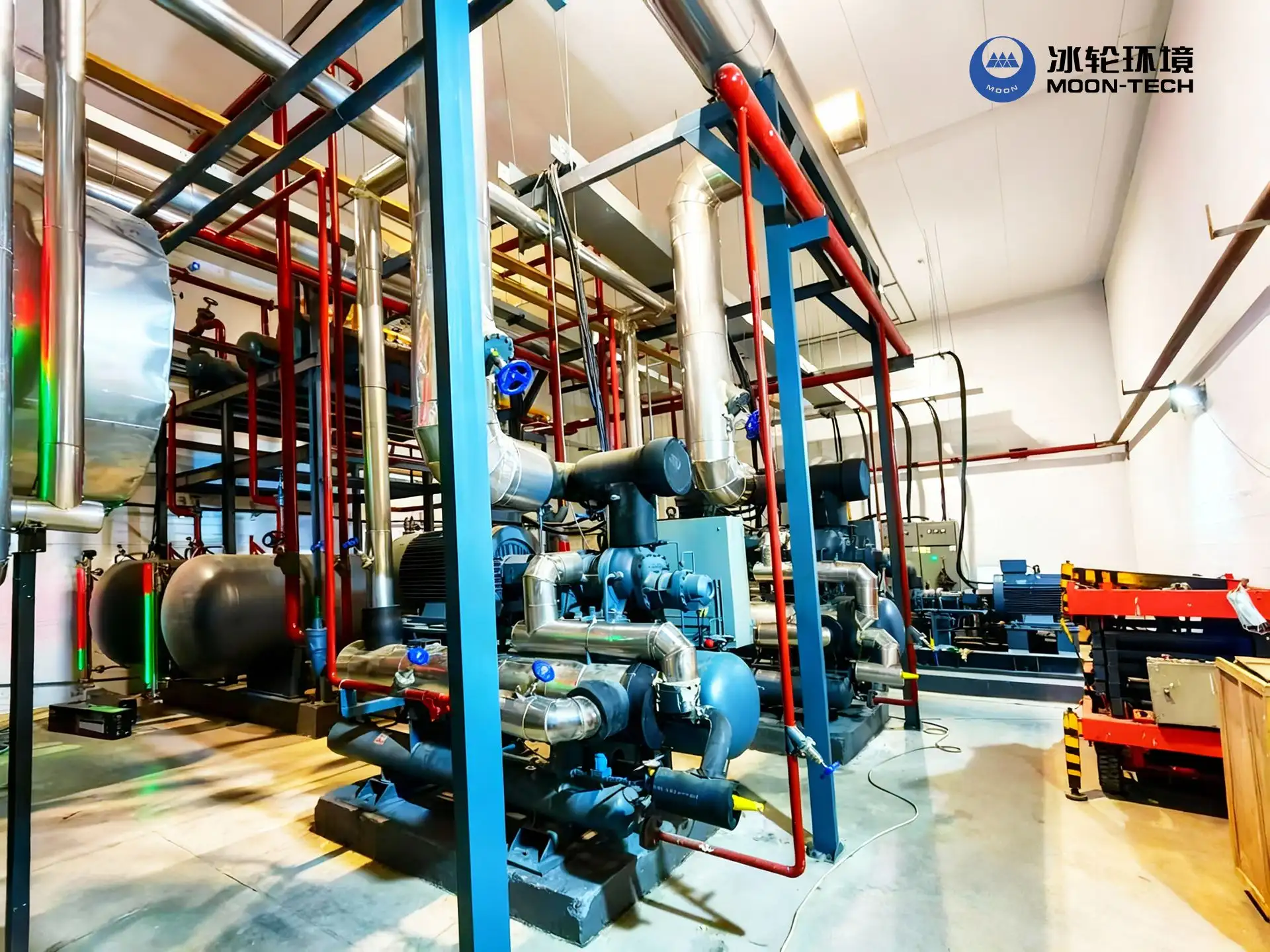
جوهر إجابة المعالجة البحرية المزدهرة يكمن في اختيار أجزاء صعبة جاهزة لدورة توازن القوة والتحكم الدقيق. تبحث المرافق عن آلات توفر الاستخدام الدائم والتعديل الدقيق. توظيف a وحدة ضاغط التبريد شبه الهرمية يضمن محرك ثابت يعمل على مدار الساعة مع هزة منخفضة وصوت.
وحدة ضاغط التبريد شبه الهرمية للموثوقية
وتشمل هذه الوحدات أشكال الدوار الحديثة التي تضمن إغلاق جيد وإنتاج حجم. إنها تناسب احتياجات الضغط المرتفع للسلع البحرية المتجمدة. وعلى هذا النحو، فإنها تدعم الإنتاج دون توقف دون توقف متكرر.
تصاميم مبرد الهواء المتقدمة مع وظائف إزالة التجميد الكهربائية
تبادل الحرارة القوي يتطلب الجودة مبردات الهواء تجنب طبقات الثلج الثقيلة. وحدات ذوبان كهربائي تبقي المناطق الباردة في درجة ثابتة -32 درجة مئوية بدون عمل يدوي. هذه الميزة تحافظ على ظروف ثابتة في مناطق التخزين.
أنظمة تبريد المياه الحمراء للتبريد المسبق الفوري
تنظيف الدفء الأولي قبل التجميد يدعم النظافة في التعامل. مبرد مخصص يصنع مياه شبه متجمدة لغسل وتبريد مبكر من المأكولات البحرية الطازجة مباشرة في الرصيف. هذه الخطوة تقلل من المخاطر البكتيرية من البداية.
معدات التجميد المتكاملة لجودة المأكولات البحرية الممتازة
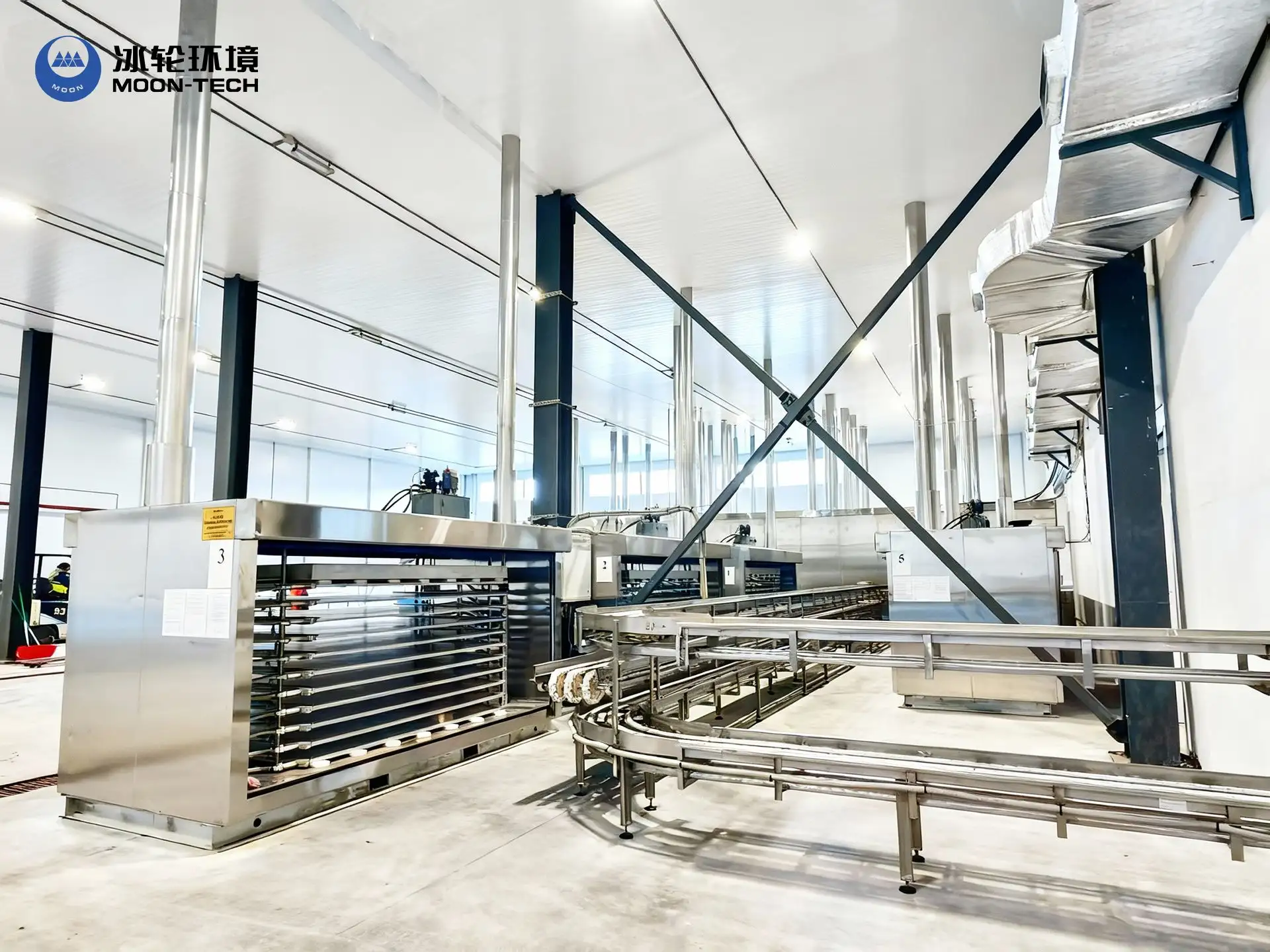
للحصول على أفضل معيار السلع ، يجب أن يناسب نهج التجميد البند ’ شكل S. بالنسبة للقطع الفردية أو الكتل الكبيرة ، تحتاج العتاد إلى تدفق الهواء أو اللمس. إن المجمد السريع النفق الذكي تناسب الخطوط المستمرة حيث يؤدي الحجم والصرف الصحي.
مجمدات سريعة النفق الذكي للإنتاج 1000kg / ساعة
هذه الإعدادات تستخدم تدفقات الهواء السريعة لتجميد العناصر واحدة تلو الأخرى ، حتى لا تتجمع. تدعم هذه الطريقة مخرجات IQF عالية القيمة التي تجلب أسعار أفضل في الخارج. وبالتالي تتعامل النباتات مع الأحمال المتنوعة بسهولة.
مجمدات سريعة لوحة لتجميد كتلة عالية الكثافة
البنود لإعادة التصنيع أو الشحن بعيد استخدام مجمدات لوحة للتبريد المباشر. هذه الطريقة تثبت سريعة وتنتج حتى، كتل قابلة للتكوين التي توفر غرفة النقل. إنه يحسن الخدمات اللوجستية للنقلات السائبة.
ضغط المسمار لمرحلتين لدرجات حرارة منخفضة جداً -47 درجة مئوية
الوصول إلى -47 درجة مئوية يتطلب ضغطًا خاصًا على خطوتين. هذا الإعداد يتجنب الإفراط في تسخين المبردات ويحافظ على المعدات في حدود آمنة وفعالة. عموما، فإنه يعزز أداء التجميد العميق بشكل موثوق.
الهندسة المستدامة والوفورات التشغيلية على المدى الطويل
خفض تكاليف الملكية الكاملة يقلق مراقبي المصانع. التصميم الحالي يعيد استخدام الطاقة التي قد تظل غير مستخدمة. على سبيل المثال، أضافت الجهود الكبيرة في المناطق الباردة إعادة استخدام الحرارة لتجنب الإضرار بالمباني، لذلك تعمل المواقع على المدى الطويل دون إصلاحات قاعدة مكلفة.
أنظمة التدفئة الأرضية بالغليكول التي تعمل باسترداد الحرارة
حلقات الجليكول ، تسخن بواسطة الحرارة المتبقية من النظام ، دائرة للحفاظ على أرض التجميد فوق نقطة التجميد. هذا يتوقف “ الصقيع heave” يمكن أن تقسم الأرضيات وتغير الرفوف. تجنب المرافق تكاليف الإصلاح الكبيرة بهذه الطريقة.
تكوينات رف الضاغط المستقلة الفعالة في استخدام الطاقة
الرفوف المنفصلة تتيح التبريد تطابق الاحتياجات الدقيقة. هذا الإعداد المرن يتجنب تعطل المحركات الكبيرة عند الاستخدام المنخفض ، مما يقلل من تكاليف الطاقة شهريًا. إنه يعزز التشغيل المستمر والخضراء.
خفض تكاليف الصيانة من خلال التكامل على نطاق النظام
الأجزاء المتطابقة تقطع مشاكل تناسب في جميع أنحاء المجلس. البنود القياسية ومسارات الأنابيب البسيطة تسهل فحص الفريق والصيانة العليا. على المدى الطويل، هذا يقلل من إجمالي الإنفاق على الرعاية.
ميزة MOON-TECH في التبريد العالمي EPC
اختيار شركة مع 70 عاما خلفه يفتح مخزن واسع من الانتصارات السابقة. تستفيد النباتات من خطة رعاية تمتد على دورات كاملة ، من المشورة المبكرة إلى الترقيات. هذه الطريقة الكاملة تحمي الاستثمارات من خلال البصيرة في التحولات في سلسلة التبريد والواجبات البيئية.
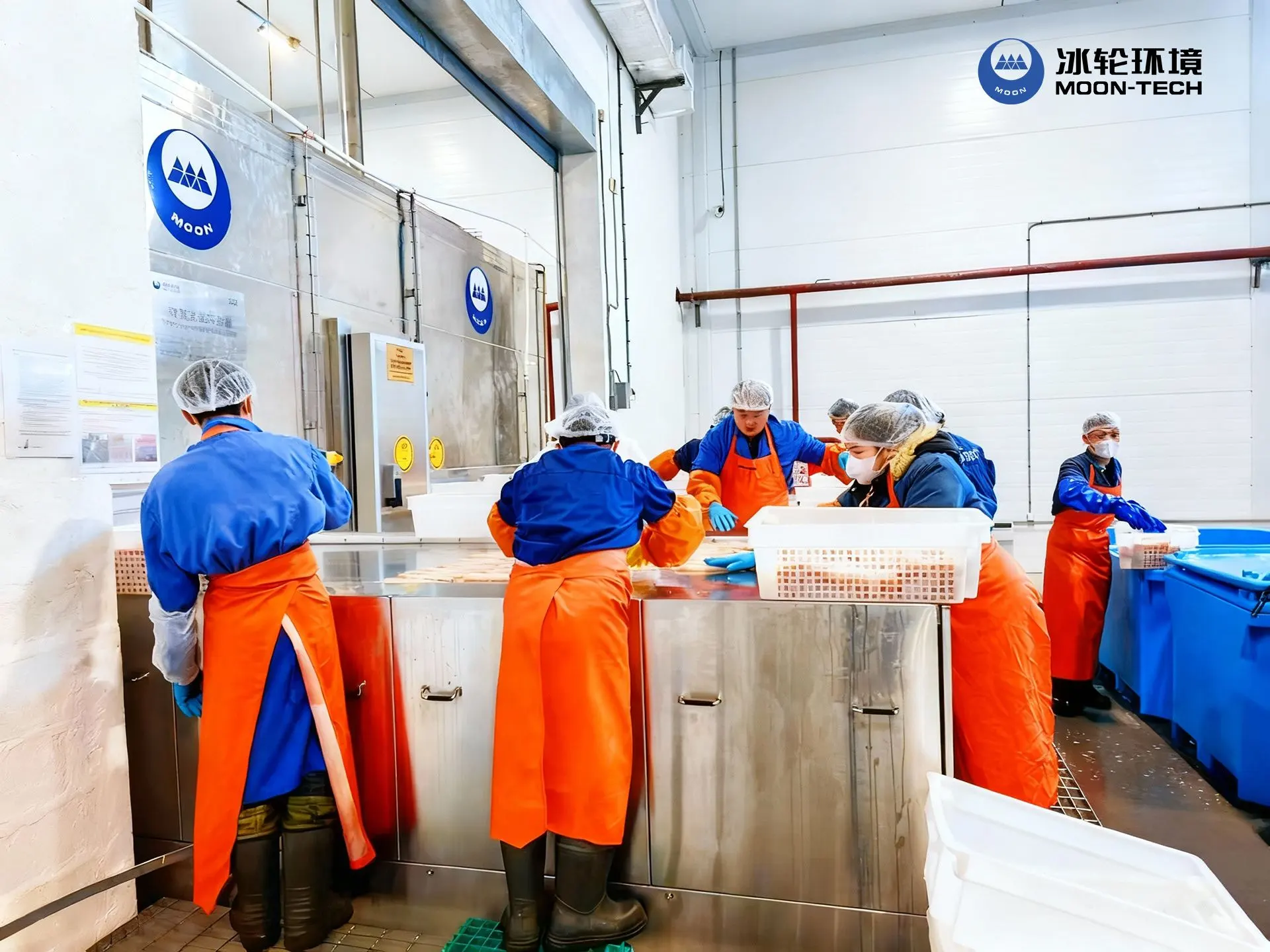
سبعة عقود من الخبرة في مجال التبريد الصناعي
تغطي الخبرة من عام 1956 معظم العقبات التكنولوجية التي تواجهها المصانع. الحلول تعتمد على التصميم الراقي والكثير من المناسبات في جميع أنحاء العالم. هذه القاعدة تضمن النتائج المختبرة.
حلول التجميد المتكاملة الشاملة من محطة واحدة
لا حاجة للعديد من الموردين على الضاغطات أو المجمدات أو البرمجيات. يمتلك مزود واحد المزيج الكامل ، لذلك يصل الإعداد النهائي إلى الأهداف المحددة. يسهل تدفق المشروع.
خدمة محلية محترفة وخبرة مشروع عالمية
العمل في أماكن مثل الشرق الأوسط وجنوب شرق آسيا وروسيا يجلب مهارات واسعة مع مساعدة وثيقة. تحصل النباتات على مساعدة ذكية على مدار الساعة ، وقطع التوقف المفاجئ في المهام البحرية. تظل الخدمة موثوقة في كل مكان.
أسئلة متكررة
س1: لماذا لا يزال R507 هو الخيار المفضل لمصانع المعالجة البحرية الجديدة في عام 2026؟
ج: يوفر R507 توازنًا مثبتًا للسلامة وقدرة التبريد العالية والاستقرار في درجات الحرارة المنخفضة للغاية المطلوبة للمأكولات البحرية ، مع البقاء مبردًا غير قابل للاشتعال مصنف A1.
س2: كيف يفيد ضاغط المسمار من مرحلتين عمليتي التجميد العميق؟
ج: يسمح للنظام بالوصول إلى درجات حرارة منخفضة تصل إلى -47 درجة مئوية بكفاءة عن طريق تقسيم عملية الضغط إلى مستويين ، مما يقلل من حرارة الضغط ويحسن معامل الأداء العام (COP).
س3: ما هو الغرض من التدفئة الأرضية الجليكول في منشأة التخزين البارد؟
ج: يستخدم الحرارة المستردة من نظام التبريد للحفاظ على الأرض تحت التجميد فوق التجميد ، مما يمنع ارتفاع الصقيع الذي سيدمر المبنى ’ مؤسسة S.
Q4: هل يمكن لمجمدات النفق الذكية التعامل مع أنواع مختلفة من المأكولات البحرية على نفس الخط؟
ج: نعم ، تتميز هذه الأنظمة بسرعات الحزام القابلة للتعديل ومراقبة تدفق الهواء ، مما يسمح لك بالتبديل بين منتجات مختلفة مثل فيليه سمك الأسماك أو الجمبري أو القشرة مع الحفاظ على ملامح التجميد المثلى.
س5: ما الذي يجعل الحل المتكامل أفضل من شراء مكونات فردية؟
ج: الحلول المتكاملة تضمن تطابق جميع الأجزاء مثل الضاغطات ومبردات الهواء والمجمدات بشكل مثالي ، مما يزيل الاختناقات ويبسيط الصيانة ويحسن كفاءة الطاقة بشكل كبير.