
Do you wonder if the excitement about magnetic cooling will truly change how you manage your facility? Lab experts often discuss a “cooling revolution,” but you must keep your cargo cold and your energy costs down right now. If you seek a partner who grasps this balance, MOON-TECH has led the field for 70 years. Starting in 1956, this firm has become a worldwide leader in cryogenic refrigeration and energy gear. For deep freezing or big chemical process cooling, they offer full EPC services and practical fixes that suit real situations, not just drawings. You can check their record of trust on the About Us page, or learn how they tackle tough heat issues via their soluciones industriales.
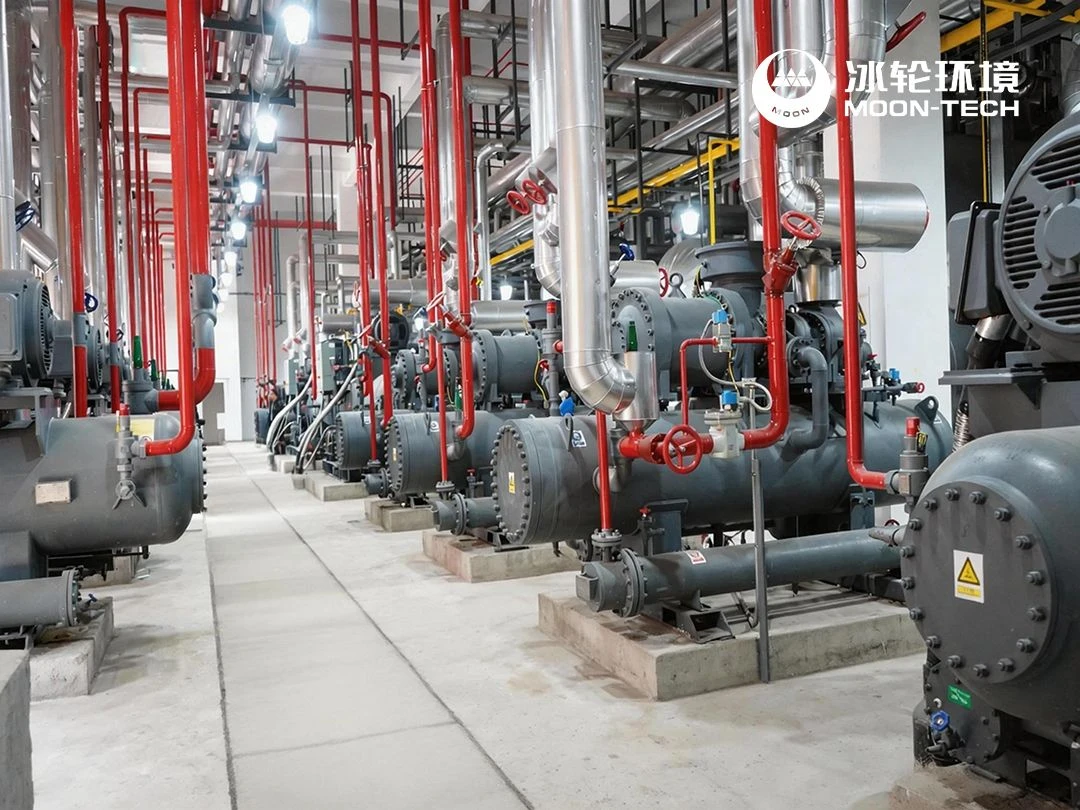
Future of Advanced Cooling and the Current Industrial Reality
The tech field often chases fresh ideas. At present, magnetic refrigeration draws much attention, as it promises a future free from usual refrigerants. However, as a business manager, you realize that “fresh” does not always equal “prepared.”
Emerging Trends in Magnetocaloric Effect Technology
Magnetic cooling relies on the magnetocaloric effect, where special materials warm up in a magnetic field and chill when the field ends. This approach seems almost magical since it skips gas compression. While some test models perform well for tiny uses, shifting to a 100-ton industrial task proves far more challenging. Experts note that scaling up remains a key hurdle, yet progress continues in labs worldwide.
Continued Dominance of High Efficiency Vapor Compression Systems
Vapor compression has supported industry for more than a hundred years for good cause. It proves dependable, grows easily, and parts are available almost everywhere. Recent updates have boosted these setups to high efficiency rates that seemed impossible ten years back, so they stay tough rivals in terms of cost per kilowatt. As a result, many firms stick with them for steady operations.
Role of Moon-Tech in Driving Refrigeration Innovation
Despite 70 years of experience, the engineers at this company do not rest on past work. They hold over 10 unique intellectual property rights for screw compressor tech. By improving old systems to high efficiency, they make the case for untested tech less strong on green grounds. Their efforts help businesses meet needs today while eyeing future changes.
Core Mechanics of Magnetic versus Vapor Compression Systems
To grasp how these two methods compare, we must examine their heat transfer processes. One method employs magnets and solid items, whereas the other depends on fluid phase shifts.
Thermodynamics of the Magnetocaloric Effect
In a magnetic setup, a solid material moves in and out of a magnetic field in cycles. Then, a heat transfer liquid, often water or glycol, moves that “chill” to your storage spot. It runs quietly without shakes, which helps a lot, but the temperature drop stays small for major industrial jobs. Still, this method shows promise for places where noise matters most.
Operational Excellence of Moon-Tech Screw Compressor Units
Usual systems depend on the exact build of the rotor shape. Top Semi-Hermetic Screw Refrigeration Compressor Units place the motor and compressor in a single sealed case. This setup lowers leak risks and saves space, which aids when room is scarce. Such designs ensure smooth work in tight spots.
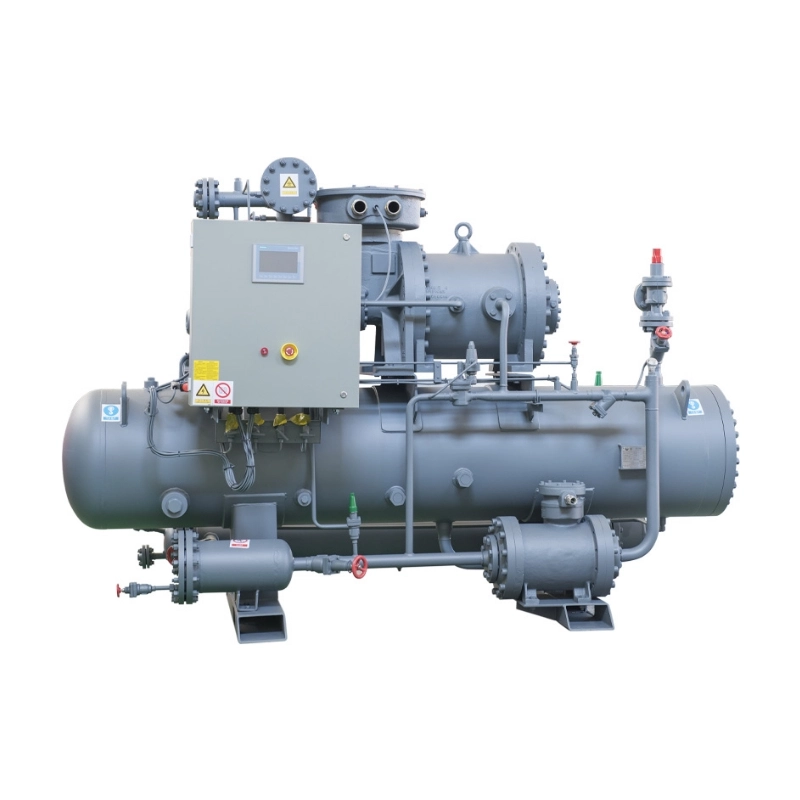
Comparison of Energy Transfer Media and Mechanisms
Magnetic setups use solid items, but vapor ones use fluids like R717 (Ammonia) or CO2. Ammonia stays popular due to its top theoretical efficiency. With a smart screw unit, heat moves quickly and steadily, an area where magnets face issues at big sizes. Overall, this makes vapor systems a safer bet for heavy tasks.
Environmental Impact and Sustainability Standards
New green rules likely add stress to your work. The drive to drop high-GWP (Global Warming Potential) gases grows strong, and it shifts how you pick gear.
Zero GWP Potential of Magnetic Cooling Systems
Magnetic setups skip high-pressure gases, so they avoid leaks of bad refrigerants into the air. This marks the top goal for green managers. Without gas, future F-gas rules pose no worry. Thus, they align well with long-term eco aims.
Low Carbon Footprint of Moon-Tech Ammonia Solutions
Green does not demand magnets alone. Natural fluids like R717 carry zero GWP and zero ODP (Ozone Depletion Potential). An Unidad de compresor de refrigeración de tornillo compuesto de dos etapas de tipo abierto with ammonia creates a green system that fits the toughest world standards now. It helps firms cut emissions without big shifts.
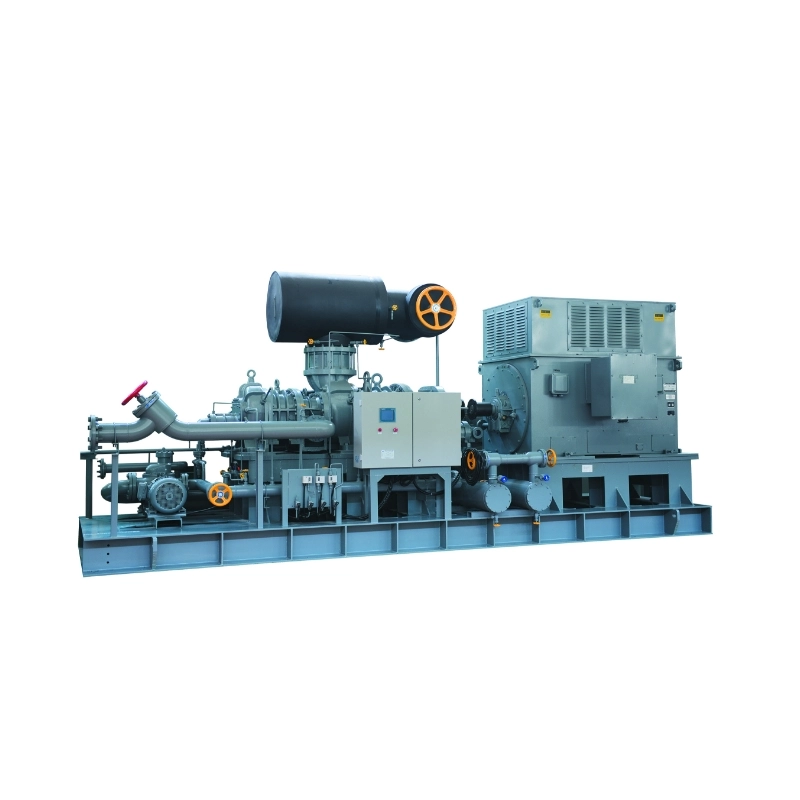
Global Regulatory Compliance for Industrial Refrigeration
Keeping to rules need not wait for test tech. New vapor compression gear already fits the “phase-down” of fake gases. This firm earned praise as a Demonstration Enterprise for Ozone Layer Protection, so they guide you through legal paths. Their know-how ensures smooth compliance.
Operational Efficiency and Performance Stability
In a plant or big storage site, “steady” tops your word list. Temperature changes cost you cash.
Energy Consumption Profiles Under High Load Conditions
Magnetic setups often drop efficiency when they push for big temperature gaps. Two-stage compression shines here instead. It divides the job between high and low-pressure steps, which cuts power use a lot at -30°C or below. This approach keeps costs low during peak demands.
Maintenance Requirements for Advanced Rotating Machinery
Some claim magnetic systems need little upkeep due to fewer moving parts. That may hold true later on. Yet now, the exact magnetic spaces demand great care. Screw compressors act as familiar tools that local workers can repair easily. Their simple fixes save time and money.
Performance of Semi-Hermetic Units in Harsh Environments
For mid-size tasks, semi-hermetic units prove tough. They manage changing loads with ease. The motor cools via suction gas, so they stay solid even as room heat rises. This reliability suits rough settings well.
Technical Limitations and Scalability Challenges
Why do you not spot a magnetic chiller at your neighbor’s site? The issue boils down to scaling up.
Material Costs and Rare Earth Supply Chain Constraints
Magnetic cooling needs rare earth items like Gadolinium. These cost much, and supplies can waver. A huge industrial unit would demand loads of this stuff, driving start costs way up against steel and copper. Such expenses slow wide use.
Structural Complexity of Large Scale Magnetic Prototypes
For more cooling strength, stronger magnets come into play. Superconducting types need their own chill systems, adding extra layers of work. It resembles adding a second cooler to run the first’s magnets. This buildup raises design hurdles for big builds.
Proven Reliability of Two Stage Screw Compressor Technology
Look at the cases from top firms, and you find thousands of winning two-stage setups. These use varied mix ratios to fit your exact setup. Built on over 60 years of making, they back claims with solid data. This track record builds trust for users.
Optimal Solutions for Modern Cold Chain Infrastructure
When you review the budget, consider the next 20 years, not just the coming two.
Comparison of System Lifespan and Lifecycle Costs
Magnetic systems sit in the “early user” stage, so total ownership costs feel risky. Vapor compression from a 70-year maker offers clear histories. You predict exact spends on power, oil, and parts for decades ahead. This planning aids smart choices.
Comparison of Magnetic Systems vs Moon-Tech Vapor Compression
| Características | Magnetic Refrigeration | Moon-Tech Vapor Compression |
| Technology Maturity | Experimental / Small Scale | Fully Proven / Industrial Scale |
| Primary Refrigerant | Solid (e.g., Gadolinium) | Natural (R717, CO2) |
| Initial Investment | Very High | Standard / Competitive |
| Rango de temperatura | Limited Lift | Wide (up to -65°C) |
| Global Support | Limitado | 24/7 Global Service |
Versatility of Moon-Tech Equipment in Food Processing
In food work, you may cool a cutting line and then freeze the goods deeply. New screw units adjust for these “multi-temp” jobs. They manage chemical cooling and large freezing without trouble. This flexibility fits varied needs in the sector.
Scalable Configurations for Industrial Cold Storage Facilities
As your firm expands, cooling must follow. Vapor compression setups grow in modules with little effort.
Key Advantages of Open-Type Compound Two-Stage Units:
1.High efficiency at low evaporation temperatures compared to single-stage units.
2.Automatic energy adjustment to match your actual load and save power.
3.Ability to run the high-pressure stage independently for rapid initial cooling.
4.Low starting current which protects your facility’s electrical grid
Elevate Your Industrial Cooling with Moon-Tech Expertise
Picking the best tech should not seem like chance. You require a fix that weighs tomorrow’s green targets against today’s clear money facts.
Comprehensive EPC Services for Global Refrigeration Projects
You need more than a device; you need a full system. From plan to site setup, full service links pipes, controls, and compressors well. This firm finished almost a thousand auto projects around the world, so they likely met your issue before. Their broad help speeds success.
Custom Engineering Solutions for Diverse Industrial Needs
No two storage spots match. For sea fishing or gas cooling, gear must fit your fluid and weather. You can pick tailored setups for R717, R507A, or R404A based on local rules. This matching boosts performance across fields.
Direct Professional Consultation via Moon-Tech Support Team
If you waver between the “tested” path or a fresh one, speak to a pro. Reach them via the Contacta con nosotros page for real engineering views on your task. Their advice clarifies options quickly.
Preguntas frecuentes
Q1: Is magnetic refrigeration available for large warehouses today?
A: Not quite yet. While small wine coolers or lab units exist, the technology hasn’t reached the scale or cost-effectiveness needed for large industrial cold storage.
Q2: Why should I choose a two-stage screw compressor over a single-stage?
A: If you are operating at very low temperatures, a two-stage unit is much more efficient. It reduces the “pressure ratio” for each compressor, which saves energy and extends the life of the machine.
Q3: Are ammonia systems dangerous for food processing?
A: When designed correctly with modern safety standards and automated controls, ammonia is one of the safest and most efficient options. It has been the industry standard in food logistics for decades.
Q4: Can I upgrade my old system to be more eco-friendly?
A: Yes. Many businesses are retrofitting older plants with high-efficiency screw units and low-GWP refrigerants to meet new environmental laws without replacing the entire infrastructure.