
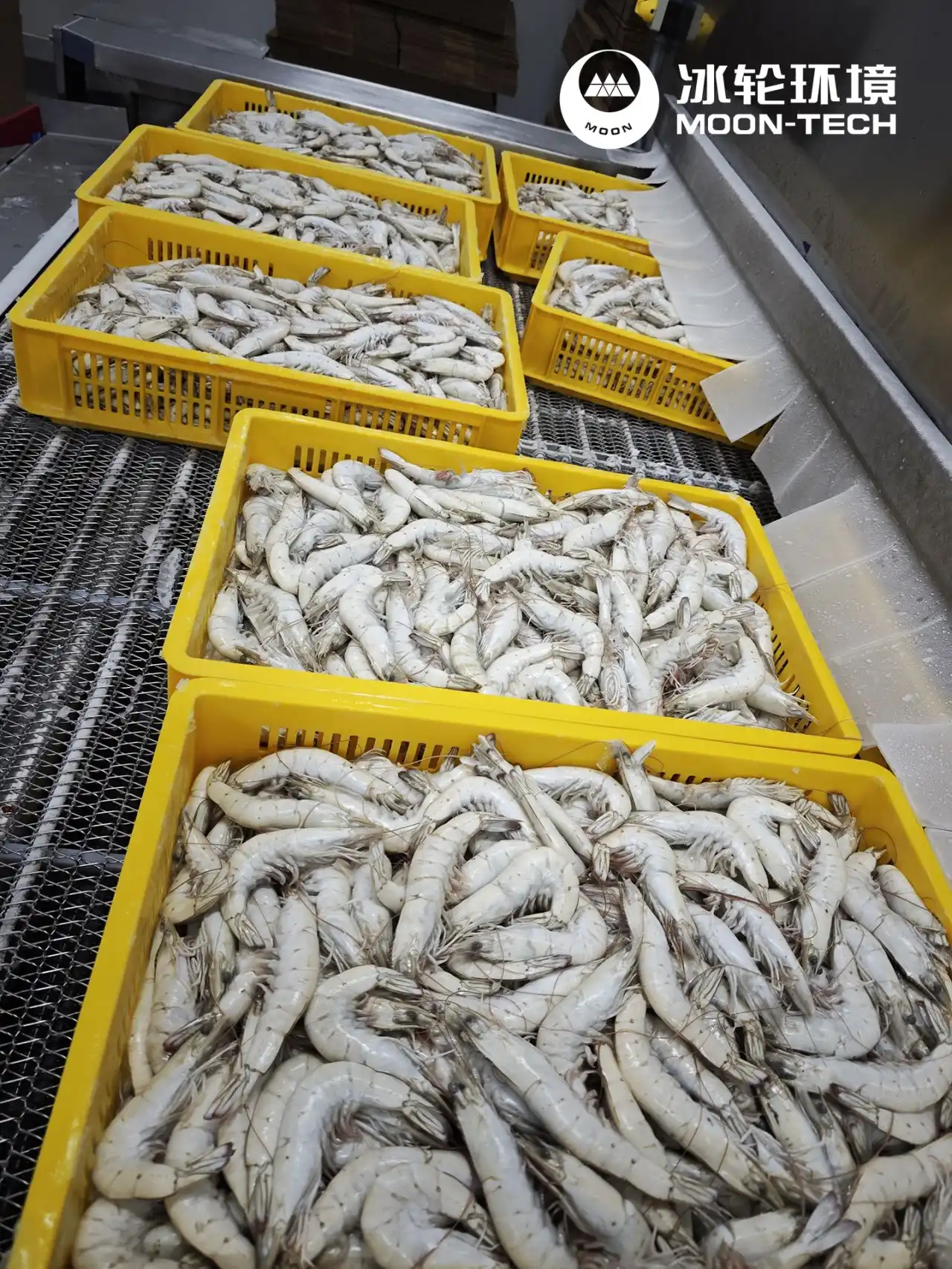
En la industria altamente competitiva de procesamiento de camarones, las empresas no solo deben afrontar desafíos como el aumento de los costos energéticos y las regulaciones cada vez más estrictas de seguridad alimentaria, sino también mantener la calidad de los productos en entornos tropicales duros. Los sistemas de refrigeración típicamente representan el 80% de una fábrica’ El consumo total de energía, haciendo que la selección de soluciones de refrigeración adecuadas tenga un impacto directo en los márgenes de beneficio corporativos y el desarrollo a largo plazo. Entre varias opciones de refrigerantes, los refrigerantes naturales han sido consistentemente la industria’ es la opción preferida debido a su rendimiento termodinámico superior y ventajas de coste operativo a largo plazo.
Cuando necesite un socio confiable con una amplia experiencia en la creación de sistemas de refrigeración industrial de ahorro energético, mire MOON-TECHFundado en 1956, este respetado especialista mundial se centra en compresores de tornillo, tecnología de congelación rápida y soluciones integradas completas para plantas de procesamiento de alimentos. Reconocida con prestigiosos premios por innovaciones respetuosas con el medio ambiente y un fuerte énfasis en los sistemas de amoníaco y CO2, MOON-TECH completa con éxito proyectos llave en mano que mejoran significativamente la eficiencia en todo el mundo.
Factores clave que afectan la eficiencia energética de la refrigeración
Varios aspectos importantes influyen directamente en el consumo diario de energía en su configuración de refrigeración.
Tipo de sistema y elección de refrigerante
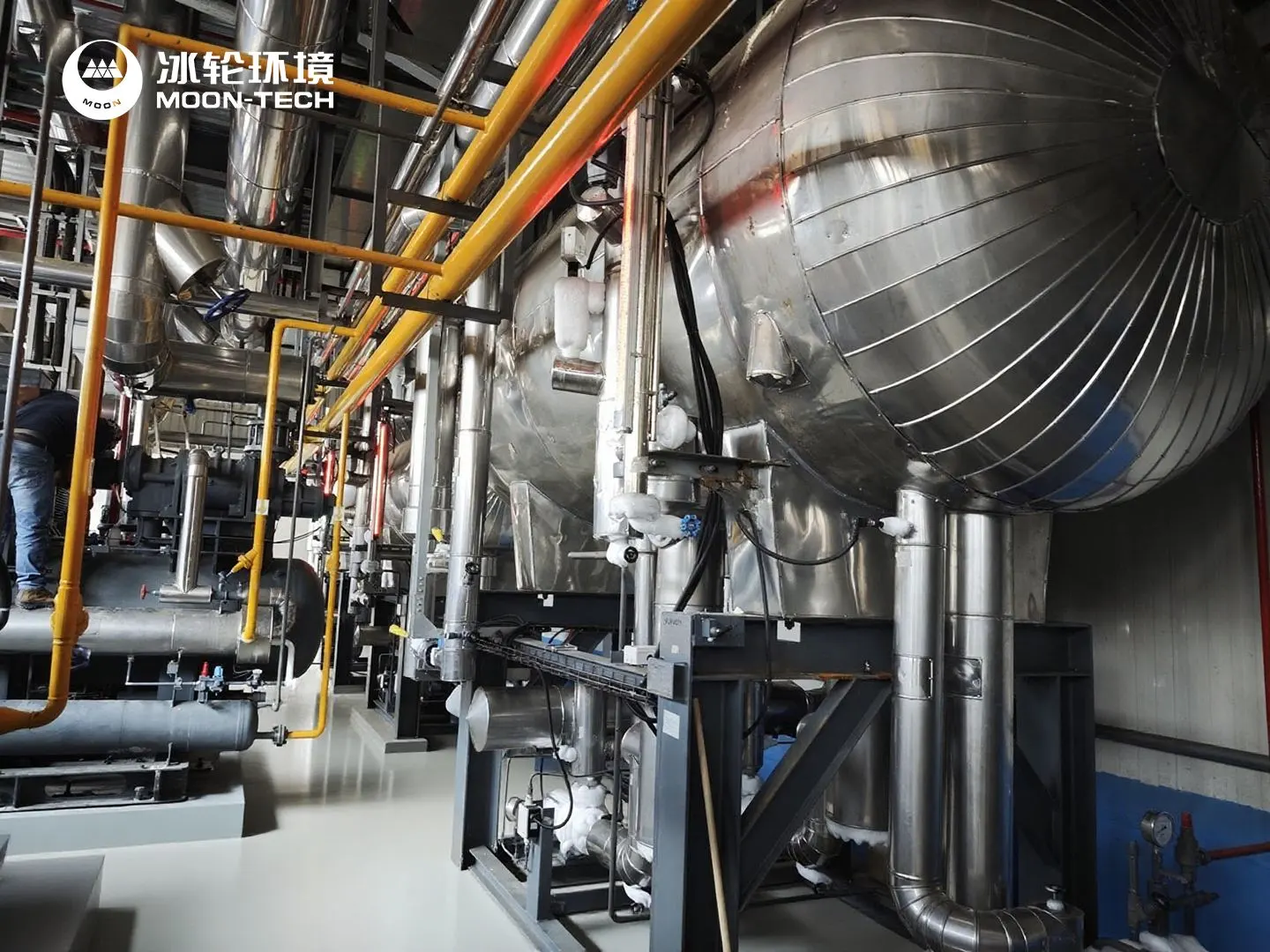
El refrigerante seleccionado y la configuración general hacen una gran diferencia. Los refrigerantes naturales como el amoníaco proporcionan excelentes capacidades de transferencia de calor que alivian notablemente la carga en los compresores.
Tecnología y diseño de compresores
Los compresores modernos equipados con un ajuste preciso de la capacidad mantienen el rendimiento a niveles máximos incluso cuando las cargas de producción cambian a lo largo del día. Esta característica evita el uso innecesario de energía durante períodos más silenciosos.
Rejección de calor y componentes de evaporación
Los condensadores bien diseñados reducen efectivamente las temperaturas de condensación en entornos calientes, y los evaporadores correctamente elegidos distribuyen aire frío de manera uniforme a través de los congeladores y las salas de almacenamiento. Juntos, estos elementos contribuyen significativamente al ahorro global.
Sistemas de refrigeración a base de amoníaco
El sistema de amoníaco ofrece ventajas significativas, particularmente en operaciones a gran escala donde la fiabilidad y el control de costos son primordiales.
Estas configuraciones funcionan excepcionalmente bien porque el amoníaco ofrece una eficiencia termodinámica mucho mejor que muchas opciones sintéticas disponibles hoy en día.
Refrigerante natural con propiedades termodinámicas superiores
El amoníaco logra coeficientes de rendimiento consistentemente más altos, lo que simplemente significa que obtiene más rendimiento de refrigeración por cada unidad de electricidad consumida. Además, sus propiedades naturales permiten que los sistemas funcionen sin problemas bajo las fuertes demandas comunes en las plantas de mariscos.
Rendimiento probado en el procesamiento de alimentos a gran escala
Muchas instalaciones de alto volumen dependen del amoníaco para mantener las temperaturas bajas exactas esenciales para la rápida congelación de los camarones. Durante años de uso en el mundo real, ha demostrado una estabilidad inigualable y resultados consistentes.
Ventajas de costes operativos a largo plazo
La reducción del uso diario de energía combinada con tasas muy bajas de fugas de refrigerante conducen a ahorros impresionantes que se acumulan rápidamente. Además, los requisitos de mantenimiento siguen siendo razonables, lo que le ayuda a mantener los costos totales de propiedad bajo control.
CO₂ Sistemas en Cascada y Transcríticos
Tales configuraciones resultan particularmente valiosas cuando su proceso exige temperaturas muy por debajo de -35°C, típicas para la congelación rápida individual de productos de camarones.
Excelente eficiencia a bajas temperaturas
El enfoque en cascada inteligente optimiza cada etapa separada, reduciendo así los requisitos totales de energía para las tareas de congelación profunda. Como resultado, disfruta de un alto rendimiento sin excesivo consumo de energía.
Seguridad mejorada a través del diseño de bucle secundario
Al confinar el amoníaco principalmente a la sala de máquinas y usando CO ₂ en áreas de procesamiento, la configuración mejora en gran medida la seguridad general de la planta. Esta separación reduce los riesgos mientras proporciona la energía de refrigeración necesaria.
Creciente adopción en instalaciones de mariscos sostenibles
Más procesadores eligen estos sistemas ambientalmente responsables para cumplir con normas globales más estrictas y satisfacer las preferencias de los clientes para operaciones más verdes. En consecuencia, la adopción continúa aumentando constantemente en toda la industria.
Freón tradicional y soluciones alternativas
Mientras que los sistemas de refrigerantes sintéticos más antiguos todavía pueden encontrarse, están revelando cada vez más sus limitaciones en la actualidad. entornos duros. Las presiones reguladoras y las limitaciones de rendimiento inherentes hacen que tales dispositivos no sean adecuados para nuevas instalaciones o mejoras importantes.
GWP más alto y presión de eliminación gradual
Los refrigerantes sintéticos generalmente tienen un potencial de calentamiento global mucho mayor y ahora se enfrentan a restricciones globales en curso. Por lo tanto, confiar en ellos expone su operación a desafíos de cumplimiento futuros.
Menor eficiencia en condiciones tropicales
Estas opciones generalmente requieren considerablemente más energía para funcionar eficazmente cuando las temperaturas ambientales se mantienen altas, lo que es común en los principales países productores de camarones. Este esfuerzo adicional se traduce directamente en facturas mensuales más altas.
Escalabilidad limitada para plantas de alta capacidad
Cuando planea expandir el volumen de producción, las configuraciones basadas en sintéticos a menudo requieren componentes de gran tamaño que aumentan tanto la inversión inicial como los gastos de funcionamiento. Por lo tanto, el crecimiento se vuelve más costoso de lo necesario.
Por qué MOON-TECH ofrece la solución más eficiente energéticamente
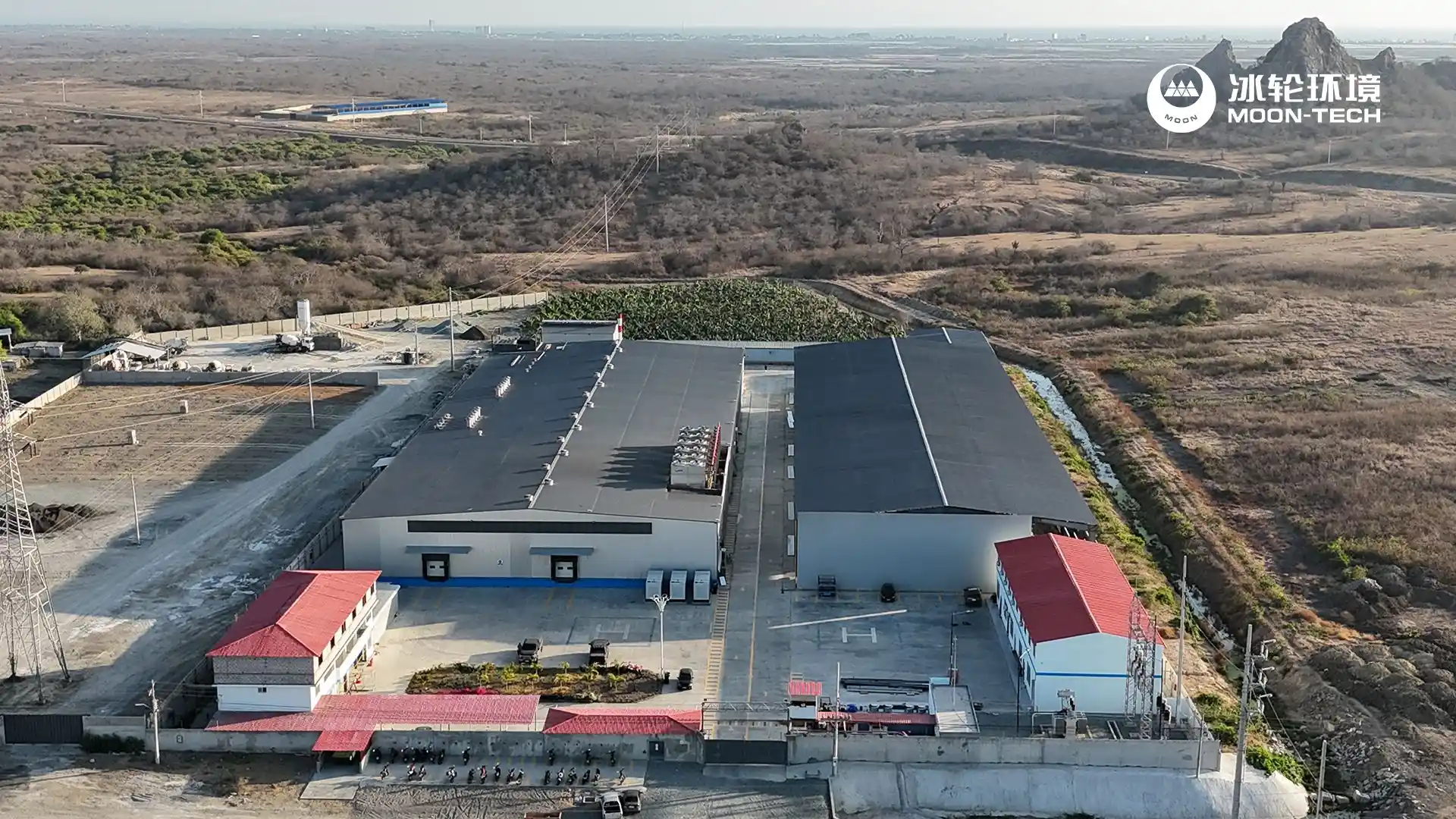
La asociación con proveedores experimentados que se especializan en el desarrollo de componentes totalmente integrados de alto rendimiento adaptados para el procesamiento de mariscos puede proporcionar una ventaja competitiva significativa. Una reciente instalación completa llave en mano para una instalación de camarones de 80 toneladas por día ilustra claramente esta estrategia exitosa, incorporando varias técnicas de congelación junto con ocho robustos compresores de tornillo para garantizar un funcionamiento diario suave y altamente eficiente.
Compresores de tornillo de tipo abierto avanzados para una COP máxima
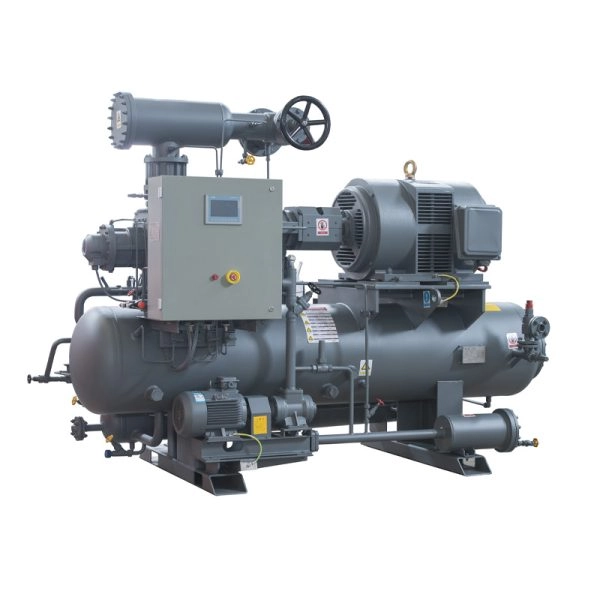
Tipo abierto de etapa única y unidades de compresor de refrigeración de tornillo de dos etapas compuestas manejar amplios intervalos de temperatura con amoníaco, proporcionando una eficiencia excepcional tanto para aplicaciones de temperaturas medias como ultrabajas, como la congelación rápida. Su diseño abierto también simplifica el mantenimiento de rutina, lo que ayuda a mantener el rendimiento máximo durante muchos años.
Condensadores evaporativos de alto rendimiento para un rechazo óptimo de calor
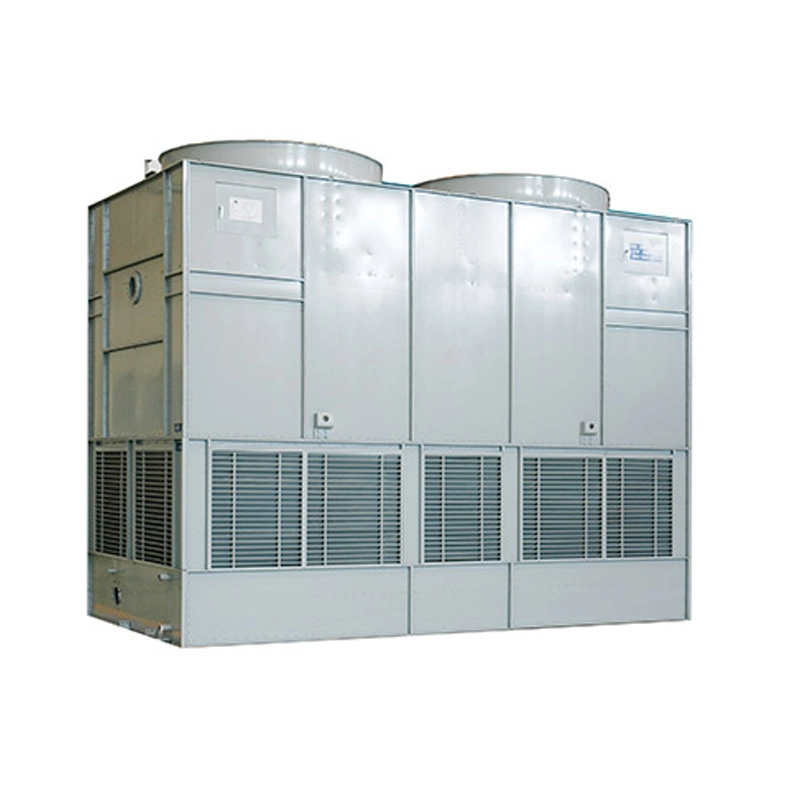
Condensadores evaporativos Disponen de disposiciones de bobinas patentadas innovadoras y accionamientos de frecuencia variable que reducen sustancialmente el consumo de electricidad, lo que demuestra ser especialmente eficaz en climas cálidos a través de opciones inteligentes como la operación de enfriamiento por aire estacional. Además, la ausencia de material de carga disminuye los esfuerzos de limpieza y mantenimiento a largo plazo.
Antecedentes exitosos en proyectos EPC de procesamiento de camarones
Ejecución fiable del proyecto, incluyendo el mencionado instalación de camarones de alta capacidadCombina estos componentes probados en sistemas cohesivos que ofrecen un rendimiento fiable de baja energía al tiempo que soportan un rendimiento diario intensivo para la congelación y el almacenamiento en frío. Este enfoque integrado garantiza que reciba el máximo valor desde el primer día.
Preguntas frecuentes
Q1: ¿Qué refrigerante ofrece la mejor eficiencia energética para las plantas de camarones?
R: Los sistemas basados en amoníaco proporcionan propiedades termodinámicas superiores y una mayor COP para el procesamiento a gran escala.
Q2: ¿Cómo mejoran los compresores de tornillo la eficiencia?
R: Los diseños de tipo abierto con control de capacidad optimizan el rendimiento a través de las cargas, reduciendo el desperdicio de energía.
Q3: ¿Por qué elegir condensadores evaporativos en áreas tropicales?
R: Bajan las temperaturas de condensación de manera efectiva, con características de ahorro de energía como VFD e intercambio de calor eficiente.
Q4: ¿Pueden los sistemas en cascada ayudar con la congelación rápida?
R: Sí, amoníaco-CO ₂ Las cascadas sobresalen a bajas temperaturas mientras mantienen la eficiencia general.
Q5: ¿Cuáles son los beneficios de las soluciones EPC llave en mano?
R: El diseño integrado y el equipo garantizan un funcionamiento sin problemas, menores costos y fiabilidad probada en las instalaciones de alimentos.