
Dans la recherche d’un refroidissement industriel écologique, le CO2 (R744) est devenu le principal réfrigérant naturel parce qu’il a zéro PAO et très faible PPG. Cependant, choisir entre des configurations transcritiques et sous-critiques est un choix clé qui affecte directement vos coûts de fonctionnement et votre impact environnemental. Alors que vous faites face à ces cycles thermodynamiques difficiles, il est essentiel de travailler avec un acteur expérimenté de l'industrie. MOON-TECHfondée en 1956, est un leader mondial dans les installations de réfrigération et de chauffage. Connue comme une des 100 meilleures entreprises du secteur des machines et leader dans la protection de l’ozone, elle offre des options clés en main complètes et un support intelligent. Du refroidissement à basse température à la réutilisation de la chaleur à économie d'énergie, leur savoir-faire s'assure que votre installation répond aux règles et fonctionne bien pour les années à venir.
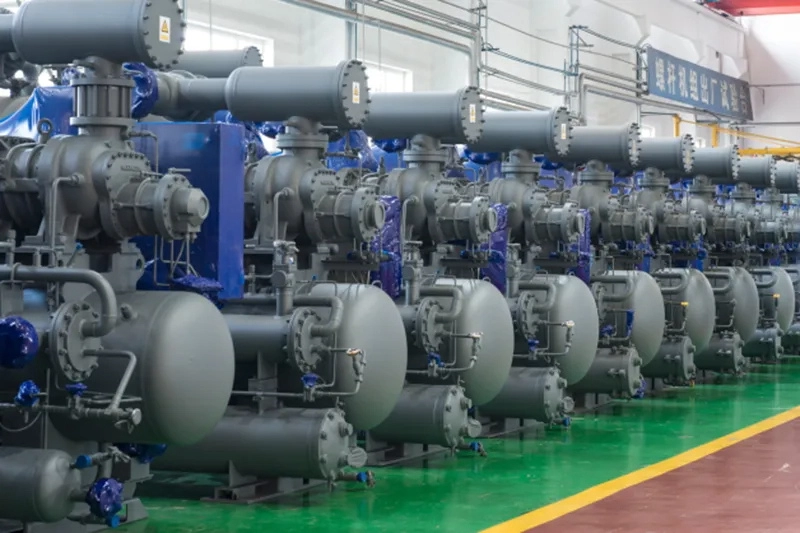
Aperçu de la technologie de réfrigération au CO2 et de l'expertise de MOON-TECH
Le passage aux réfrigérants naturels n'est plus seulement une phase transitoire; c'est un besoin de base pour les installations industrielles actuelles. Comprendre comment le CO2 agit sous différents niveaux de pression et de température est le point de départ pour améliorer votre usine. l'utilisation d'énergie.
Demande croissante de solutions R744 durables
Les règles mondiales sur l'environnement poussent les secteurs à abandonner les réfrigérants artificiels pour R744. Ce choix naturel offre de fortes caractéristiques de transfert de chaleur et reste sûr sans toxicité ou risque d'incendie, ce qui convient bien pour les grands travaux de chaîne du froid et la manipulation des aliments.
Différences fondamentales d’efficacité dans les cycles de CO2
La principale différence vient de savoir si le réfrigérant reste en dessous de son point critique (subcritique) ou le surveille (transcritique), et chaque cycle apporte ses propres gains d'énergie en fonction de la façon dont la chaleur quitte l'environnement ou une autre ligne de refroidissement.
MOON-TECH Leadership mondial en matière de neutralité carbone
Grâce à l'utilisation d'idées de conception BIM modernes et de configurations de contrôle intelligentes, l'entreprise a mis en place les plus grands systèmes de cascade de CO2 au monde. Leur démarche en faveur de la neutralité carbone provient d’années d’études et d’une solide mise en place de services à l’échelle mondiale.
Mécanique des systèmes de CO2 transcritiques
Les systèmes transcritiques fonctionnent dans des zones où la température extérieure dépasse le CO2’ s point critique (31,1°C), et dans ce mode, le réfrigérant saute la condensation pour rester en gaz à haute pression, qui nécessite des pièces spéciales pour faire face aux conditions difficiles.
Opération au-dessus du point critique
Dans un cycle transcritique, l'installation passe par le refroidissement au gaz au lieu de la condensation standard, ce qui lui permet de fonctionner bien même en été chaud tant qu'il gère les fortes pressions de sortie qui suivent.
Performance de rejet de chaleur dans les refroidisseurs à gaz modernes
La façon dont ces systèmes fonctionnent dépend beaucoup du refroidisseur à gaz’ En utilisant de bons échangeurs de chaleur et des commandes de ventilateur intelligentes, vous pouvez augmenter l'élimination de chaleur et maintenir un coefficient de performance (COP) solide.
Gestion haute pression via des compresseurs à vis semi-hermétiques
Pour maintenir le travail stable sous ces configurations difficiles, le Unité de compresseur de réfrigération à vis semi-hermétique sert de partie centrale. Sa construction robuste et sa meilleure technologie d'étanchéité sont conçues uniquement pour les niveaux de haute pression courants dans les utilisations transcritiques de CO2.
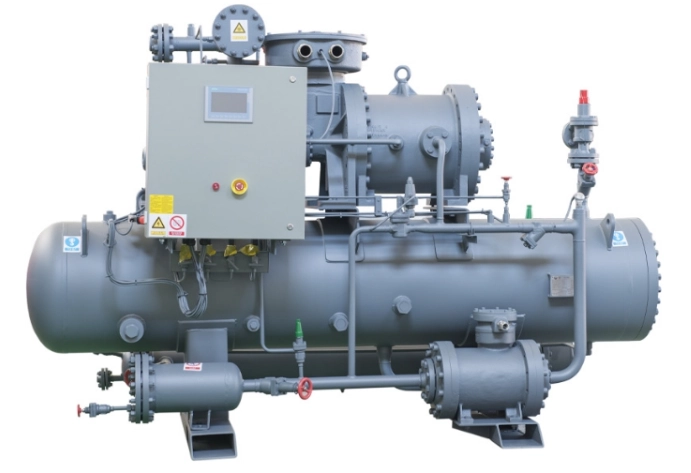
Profils d'efficacité des cycles de CO2 subcritiques
Les systèmes subcritiques s'adaptent souvent à des plans de refroidissement en cascade ou de secours où le CO2 reste en dessous de sa température critique, et de cette manière est connue pour sa bonne consommation d'énergie et ses pressions de fonctionnement inférieures par rapport aux types transcritiques.
Performance stable en dessous du point critique
En conservant le CO2 dans un état sous-critique, le système gagne de la chaleur de la vaporisation, qui déplace l'énergie thermique de manière efficace, et cet état stable conduit à des besoins énergétiques uniformes et à une moindre usure des pièces de la machine.
Avantages énergétiques des conceptions de systèmes en cascade
Dans une configuration en cascade, le CO2 manipule la partie à basse température tandis qu'un réfrigérant différent prend le côté à haute température, ce qui permet au CO2 de fonctionner dans sa meilleure plage, quelle que soit la météo extérieure.
Refroidissement optimisé avec les unités GEPT-R290 CO2
Pour ceux qui veulent un très bon choix sous-critique, le GEPT-R290 CO2 Unité de réfrigération à changement de phase à haut rendement apporte une nouvelle option. Cette unité réduit les problèmes tels que la rouille métallique et la consommation élevée d'énergie de la pompe qui apparaissent dans les anciens systèmes de saumure.
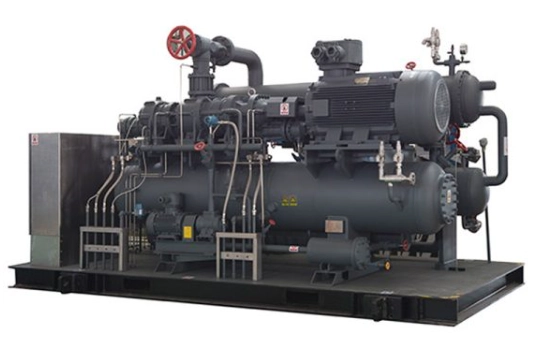
Facteurs de comparaison directe de l'efficacité énergétique
Pour vérifier la consommation d'énergie de ces deux systèmes, vous devez passer par-delà les fiches de spécifications de base, car vous devez voir comment le système fonctionne avec son environnement et combien d'énergie inutilisée peut retourner à d'autres tâches.
Impact de la température ambiante sur la COP du système
La température extérieure est le facteur principal qui change le CO2’ Bien que les systèmes sous-critiques fonctionnent mieux dans les zones froides ou les plans en cascade, les nouveaux systèmes transcritiques avec compression côte à côte peuvent bien les correspondre même dans des endroits plus chauds.
Les schémas de consommation d'énergie dans les applications industrielles
Votre coût global d'énergie provient de l'énergie de la pompe et de l'effort du compresseur, et les installations qui utilisent la technologie de changement de phase réduisent l'énergie nécessaire pour changer les réfrigérants, ce qui apporte de grandes économies annuelles.
Potentiel de récupération de chaleur pour une efficacité accrue du système
Un atout clé des systèmes de CO2 est la température chaude du gaz de sortie, et cette chaleur peut aller aux tâches de l'usine ou au chauffage de la pièce, ce qui transforme votre installation de refroidissement en une pompe à chaleur efficace dans l'ensemble.
Lignes directrices de sélection pour la réfrigération industrielle
Choisir le meilleur système signifie équilibrer l'emplacement, les besoins des tâches et les objectifs financiers, et un plan personnalisé s'assure que la technologie que vous mettez maintenant reste bonne pendant de nombreuses années.
Adaptabilité climatique pour Transcritique vs Subcritique
Si votre usine est située dans un endroit avec des températures élevées constantes toute l'année, un système transcritique avec des corrections d'efficacité supplémentaires pourrait convenir le mieux, mais pour les endroits plus froids, un système en cascade subcritique donne généralement le meilleur rendement.
Coût total de propriété et analyse du ROI
Au-delà du coût de départ, vous devez penser aux factures d'énergie, à l'entretien et à la durée de vie du réfrigérant, et les systèmes à CO2 ont souvent des coûts de propriété complets plus faibles grâce au réfrigérant bon marché et à une qualité de construction solide.
Intégration de systèmes sur mesure par les ingénieurs MOON-TECH
Les conseils d'experts sont essentiels pour gagner le projet, et les ingénieurs qualifiés peuvent affiner les réseaux de tuyaux durs avec des modèles BIM pour réaliser des constructions sûres et une bonne correspondance pour vos tâches exactes de refroidissement de processus.
Avantages fondamentaux des solutions MOON-TECH
Aller avec un partenaire qui a des compétences de fabrication profondes et un désir pour de nouvelles idées donne la sécurité nécessaire pour les grandes dépenses, et le pouvoir de vérifier la qualité des pièces de base est ce qui fait un acteur de premier plan se démarquer dans le monde entier.
Fabrication avancée via des usines numériques intelligentes
L'usine numérique de compresseurs de Hartford est la première dans son domaine, en utilisant l'impression 3D et la fabrication intelligente pour construire des pièces individuelles avec une grande précision, ce qui signifie que chaque unité envoyée à votre site atteint des marques de qualité supérieures.
Performance fiable des compresseurs standard API 619
De nombreuses unités de compresseur principales suivent la norme API 619 dans la conception, et ce niveau d'ingénierie apporte un travail d'étanchéité et une stabilité de haut niveau, ce qui est important pour la sécurité et la consommation d'énergie dans les points de CO2 à haute pression.
Services complets de projet clé en main
De la première planification et conception à la mise en place du site et à la formation technique, vous obtenez un service complet sur le système’ et ce tout-en-un réduit les chances de problèmes de projet et maintient votre réfrigération en fonctionnement optimal dès le début.
FAQ (questions fréquentes)
Q1: Quel système de CO2 est le plus économe en énergie pour le refroidissement à basse température extrême?
R: Dans la plupart des cas d'usine, un système de cascade subcritique fonctionne mieux pour les tâches de congélation profonde parce qu'il permet au CO2 de fonctionner à une pression plus basse et plus stable avec un COP plus élevé.
Q2: Les systèmes transcritiques de CO2 peuvent-ils fonctionner efficacement dans les climats tropicaux?
R: Oui, et avec des ajouts comme la compression parallèle et les éjecteurs, les systèmes transcritiques peuvent atteindre une bonne consommation d'énergie même lorsque les températures extérieures dépassent souvent le point critique.
Q3: Quels sont les avantages de sécurité de l'utilisation de CO2 par rapport à l'ammoniac?
R: Le CO2 manque de toxicité et de risque d'incendie, ce qui simplifie les mesures de sécurité et réduit les risques de fuites possibles dans les zones de manutention fréquentées ou clés.