
In the tough worldwide seafood business, success demands more than a basic cooling space. It calls for a reliable technical ally who grasps the fine link between heat dynamics and food science. For 70 years, MOON-TECH has led in commercial cooling systems. The company grew from a focused maker to a top player in full EPC (Engineering, Procurement, and Construction) services. Their skills in low-temperature methods and power-saving setups make sure your plant runs with exact control. When you pick a partner with seven decades of solid track record, you get a full support network. This network focuses on your steady work and edge in the market.
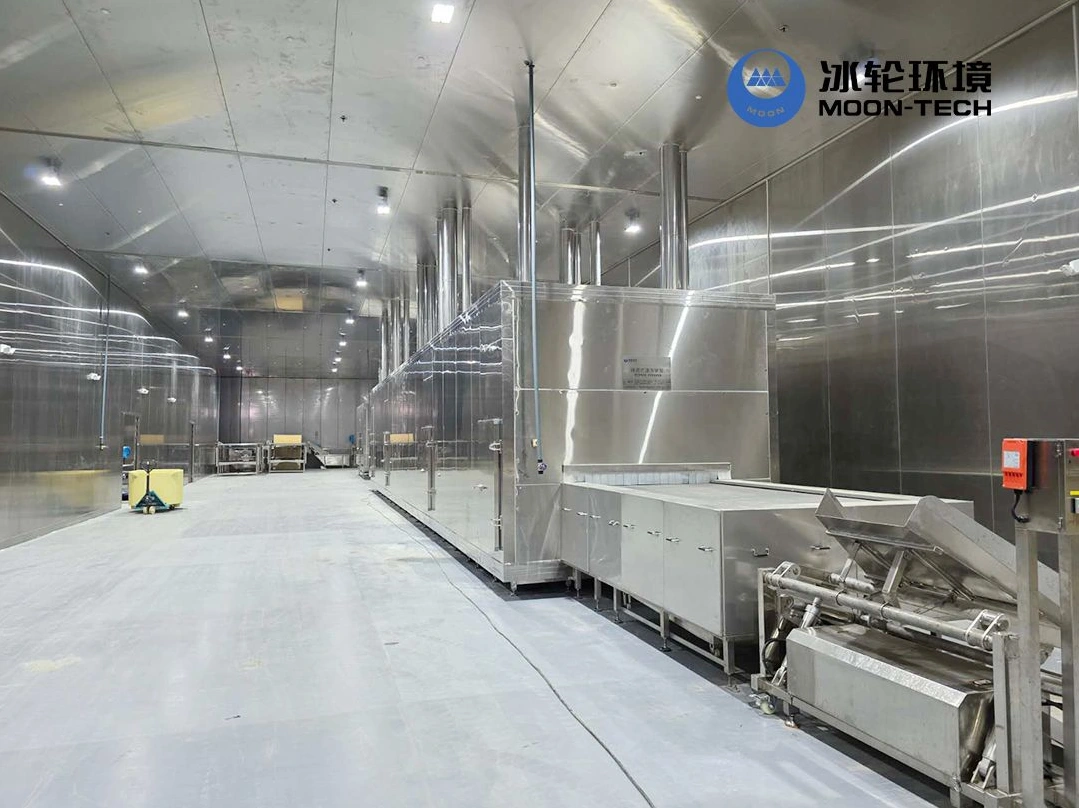
Challenges in Maintaining Shrimp Quality for Global Export Markets
Running a big shrimp handling plant means facing time and heat changes as main threats. The shift from catch to buyer passes through key steps. In these steps, even a small glitch can cause major money loss. You deal with the need to match varied global rules. At the same time, you aim to control your running expenses. Knowing these issues marks the start of creating a strong handling setup. Such a setup can handle the needs of today’s export trade.
Critical drip loss during traditional freezing cycles
Gradual cooling forms big ice grains that break cell walls. As a result, this leads to heavy water escape and soft feel after melting. Such damage harms the shrimp’s fresh quality, which buyers expect in export goods.
Complex international food safety and hygiene standards
Sending to top markets means your plant must follow strict clean layouts. You also need steady heat records to protect buyers. These steps ensure that your shrimp meets global health checks, building trust in your supply.
Inefficient refrigeration systems increasing operational overhead
Old gear uses too much energy. It also needs constant hand checks, which cut into your earnings in a busy field. Updating to better systems lowers costs and boosts smooth work flow over time.
Technical Advantages of –47°C Ultra-Low Temperature Freezing
Using –47°C low-heat method shifts the core way you keep your goods fresh. This deep cold level lets you skip the peak area for ice grain growth right away. It goes beyond simple chilling. Instead, it applies strong heat rules to stop the natural aging of seafood. Thus, the shrimp you send out long after stays much like the fresh catch.
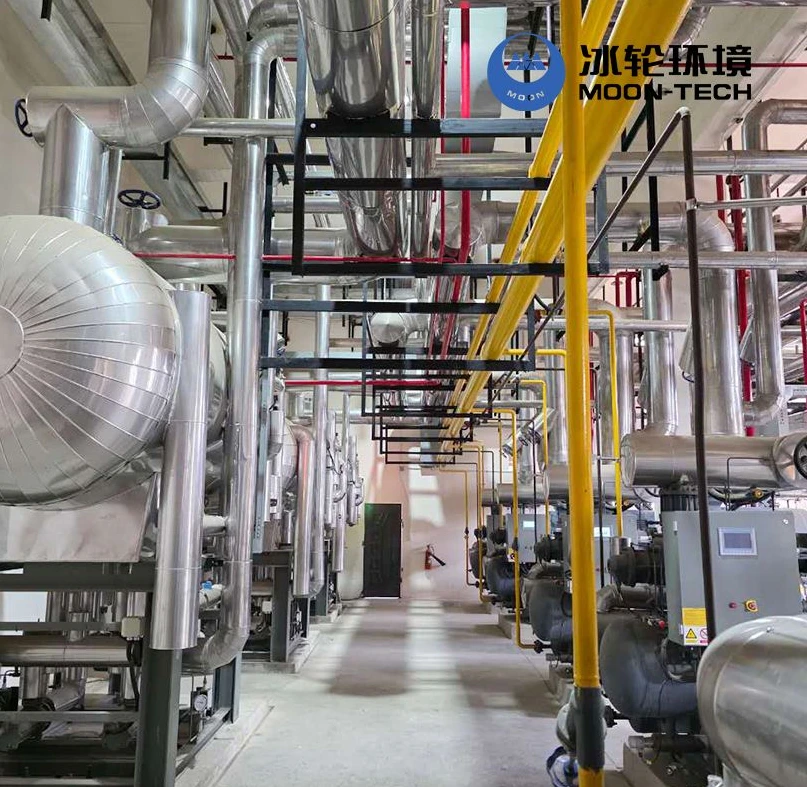
Instant formation of micro-crystals for texture preservation
Quick heat removal keeps ice grains tiny, which guards the shrimp’s firm build and crisp bite. This process maintains the meat’s natural firmness, so it holds up well during thaw and sale.
Total suppression of enzymatic oxidation and spoilage
At –47°C, chemical changes and germ growth stop fully. This avoids dark spots on the head and keeps the true shade. Such control extends the safe time before any decay sets in.
Extended shelf life for long-haul maritime logistics
Holding this low heat gives a strong margin during ocean trips across lands. It ensures your goods stay high-grade all along the path from plant to store.
Core Components of Integrated Refrigeration Systems
To reach these low heats steadily, your plant needs tough and exact-built machines. The main part is the close match of strong units made for heavy daily use. You need tech that copes with steady loads. It should also adapt to busy harvest times. Putting money in fine parts means your output avoids stops from wear.
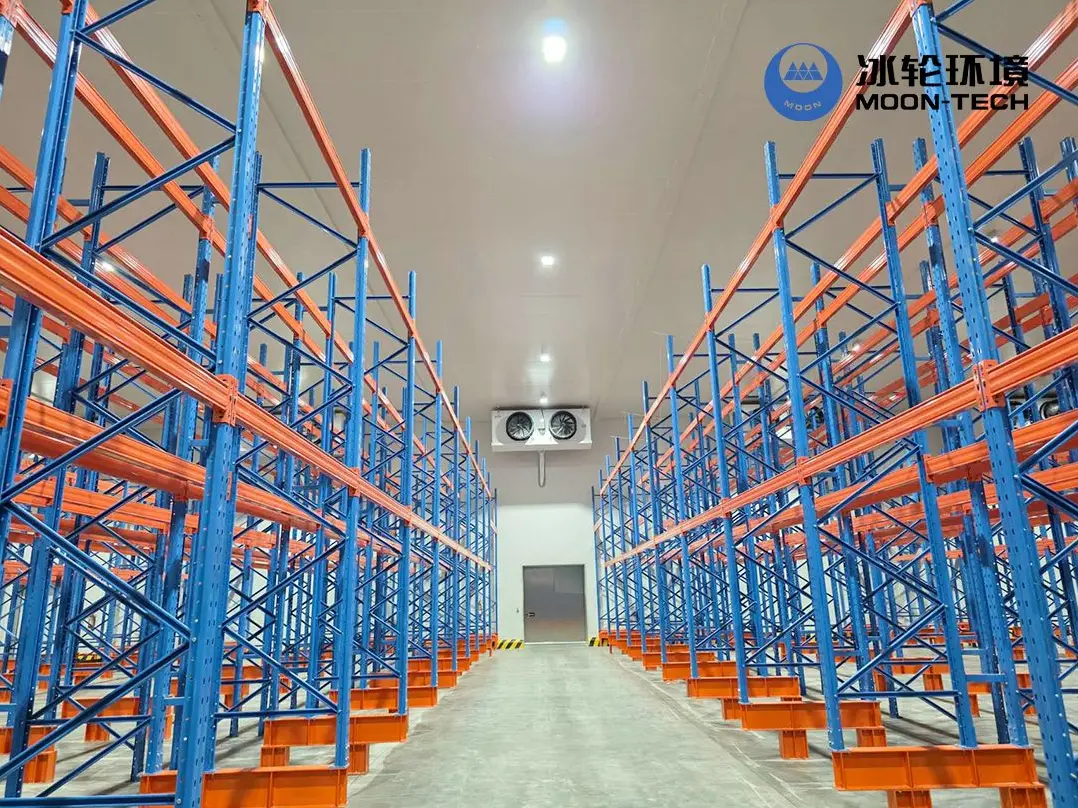
High-performance screw compressor units for extreme cooling
These screw compressor units deliver the right squeeze level and flow rate. They hold steady low boil points for round-the-clock work. This setup supports non-stop cooling in demanding shrimp lines.
Advanced bucket pump units for stable refrigerant circulation
Forced flow tech spreads the cooling fluid evenly in all areas. It covers from quick-freeze paths to backup chill units. This even spread boosts overall system output and cuts uneven spots.
Intelligent evaporative condensers for optimized heat rejection
These devices raise heat shift rates while cutting water and energy use. Such savings matter in hot shore areas. They help keep high efficiency ratings in tough weather.
Comprehensive EPC Solutions for Seafood Processing Facilities
Running varied heat lines involves linked pipes, wraps, and power controls that must align well. Rather than dealing with many sellers, a single EPC plan works best. In this plan, one skilled group handles all from plan to final tests. This full method avoids fit problems. It also makes sure the end project hits your set goals.
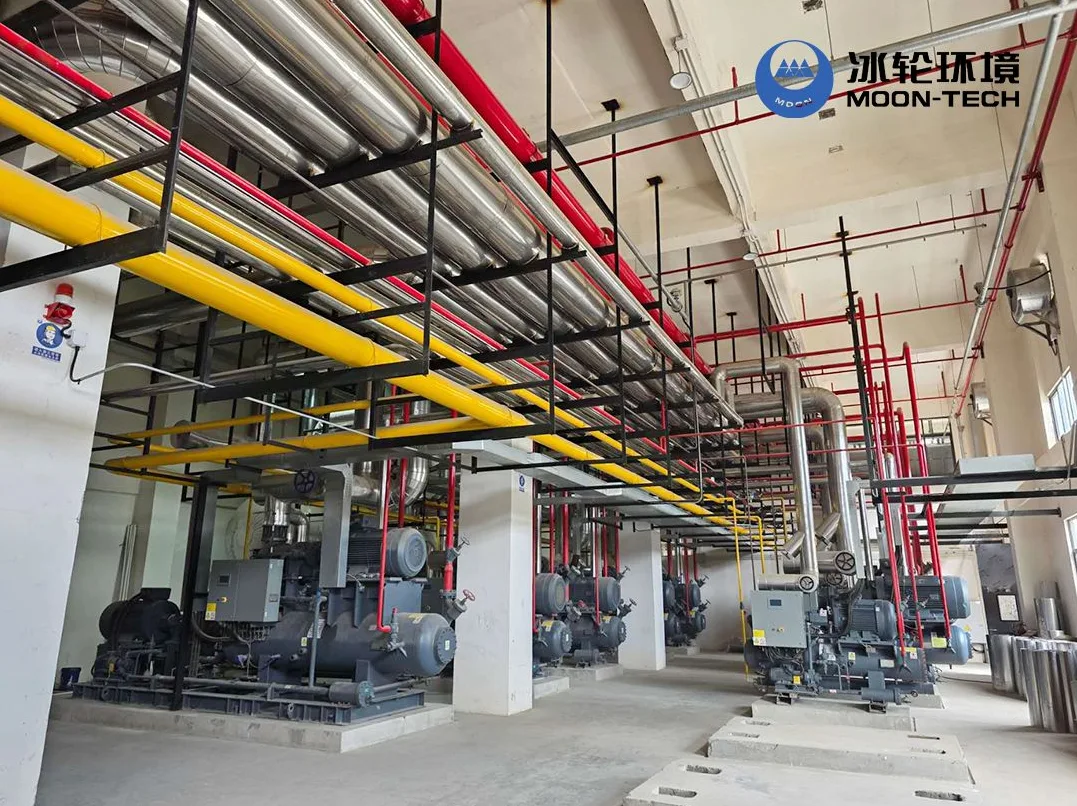
Unified engineering design for multi-temperature processing lines
One plan sheet includes chilled water, salt chill, icing, and deep store zones. This creates smooth work steps across the plant. It links all parts for better daily handling.
Integrated procurement and manufacturing of industrial-grade equipment
Getting all key parts from one source fits every valve and line to your cooling needs. This match raises the whole setup’s strength and cuts weak links.
Professional on-site installation and expert operator training
Full on-site services cover careful air pulls and start-up checks. After that comes full teaching for your team. This builds their skill to run things on their own.
Partner with MOON-TECH for Your Next Industrial Refrigeration Project
Your route to top global standing needs a cooling setup as bold as your aims. Teaming with a group that gives full ongoing care protects your spend for years. If you grow an old plant or build new in South America or Southeast Asia, you need a fit for your local setup and output wants.
Proven expertise in South American seafood processing cases
You can count on real project references for tricky seafood setups. These joined varied chill techs in one space. They show strong results in real use.
Customizable EPC frameworks for local production needs
Each plan adjusts for your area heat, water state, and shrimp types. This tweak raises power savings and fits the site well.
Full life-cycle technical support and maintenance services
You get round-the-clock smart aid pledges. They keep your gear at best level from start through long runs.
FAQ
Q1: Why is –47°C better than standard –18°C for shrimp export?
A: Standard temperatures only keep the product frozen, while –47°C provides rapid heat extraction that prevents cell damage and oxidation, which is essential for premium “sashimi-grade” exports.
Q2: How does the EPC model reduce the risk for my processing plant?
A: The EPC model places all responsibility for design, procurement, and construction on a single provider, eliminating the “blame game” between vendors and ensuring higher system reliability.
Q3: Can these systems handle different types of freezing like IQF and Brine?
A: Yes, the integrated refrigeration solution is designed to support multiple applications simultaneously, including IQF, secondary freezing, and glazing, through a centralized pump system.
Q4: What is the benefit of using screw compressors in seafood processing?
A: Screw compressors offer superior durability, fewer moving parts, and the ability to maintain stable performance at the very low evaporation temperatures required for deep-freezing.
Q5: Does the system include automation for remote monitoring?
A: Modern industrial solutions feature intelligent electrical controls and cloud-based monitoring, allowing you to track system pressure and temperature data in real-time from any location.