In today’s industrial settings, refrigeration systems face growing pressure to provide effective, reliable, and eco-friendly performance amid tough demands. Facilities in areas like food processing, chemical cooling, and controlled spaces need smart solutions that match changing environmental rules and work needs.
For people looking for strong, adaptable options, MOON-TECH stands as a top global provider in refrigeration and heating system setup. Supported by top-notch research facilities and approvals like ISO9001 and ASME U-Stamp, MOON-TECH offers a full range of options that cover screw compressor units, low-temperature chillers, absorption refrigeration, and power-saving setups. Their service approach goes from project planning to ongoing support, which ensures lasting system dependability.
What Are the Key Challenges in High-Demand Refrigeration Environments?
When running under heavy loads or in harsh conditions, refrigeration systems deal with specific technical and planning issues. Engineers must tackle these through clever design and sturdy builds to keep performance, productivity, and rule-following steady.
Increasing Demand for Energy Efficiency and Sustainability
Energy saving is not just a way to cut costs anymore; it has become essential. As energy costs shift and green rules get stricter, plants are moving to setups with smaller carbon impacts. CO₂ secondary refrigerant systems often used in -50℃ to 0℃ show clear benefits in safety and output, giving better overall COP thanks to strong heat properties.
Workers face rules pushing them to use green refrigerants like R717 or CO₂. These natural types lower GWP and provide stronger heat transfer. Plus, setting up system layouts for energy recovery via heat reuse is now common for green work.
Maintaining Performance Stability Under Variable Load Conditions
Systems in cold storage or steady industrial work must handle changing heat loads without losing productivity or safety. Compressor parts need flexible control setups to keep exact temperature control during different work phases.
Equipment breakdowns can cause big delays in work. So, dependability matters most. MOON-TECH’s complete solutions aim to deliver safe, green, and power-saving systems with built-in controls that support early maintenance checks and problem spotting before troubles grow.
Space Constraints and Integration With Complex Infrastructure
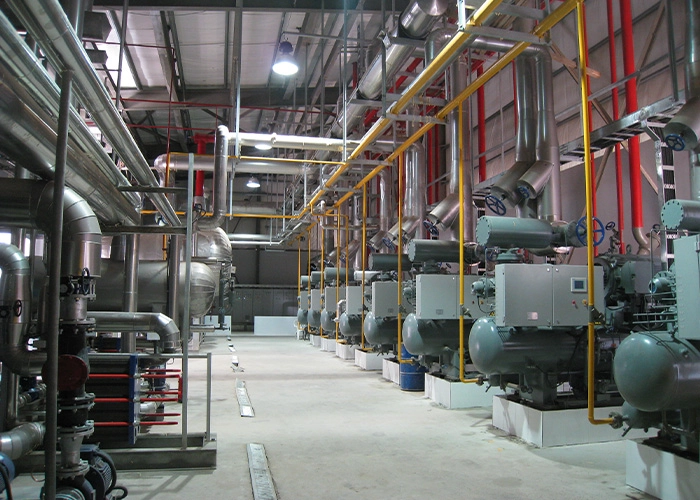
Current plants often work in tight spaces. Thus, small system designs are key. Modular gear, particularly skid-mounted types, makes setup easier, maintenance simpler, and fits better with current setups.
Open-type units built on skids allow faster on-site work and cut setup time and expense. They also let layouts adjust to various work settings.
Two-Stage Screw Compressor Units
Two-stage screw compressors play a vital role in jobs needing very low temperatures or high pressure ratios. These setups give better heat performance than single-stage ones.
Enhanced Efficiency Through Multi-Level Compression
Multi-stage compression cuts the energy waste that happens in gas squeeze cycles. Built for low-temperature jobs with boiling points under -25°C, they work much better than single-stage units with add-ons, shining in cold storage or deep work plants.
With better volume output, they produce more cooling per energy input, which suits big industrial uses.
Modular Skid-Mounted Design for Flexible Installation
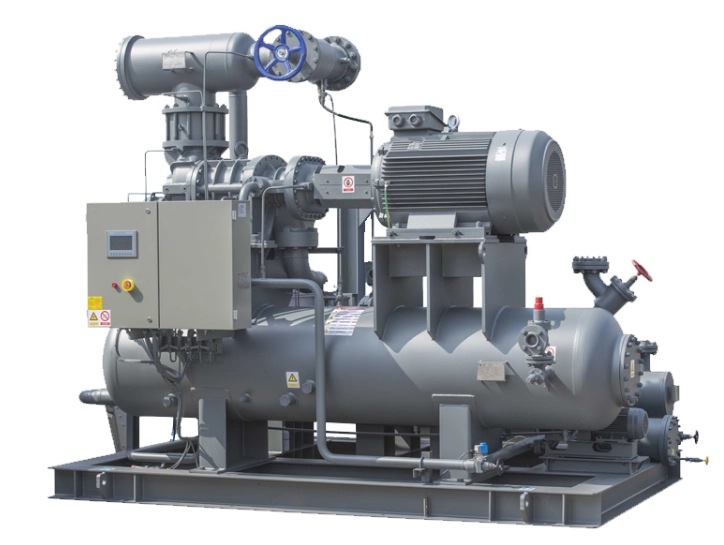
The skid-mounted build helps with moving and placing while putting all main parts on one base. These open-type units reduce site work and skip tricky assembly steps.
By picking Open-type Skid-Mounted Separate Two-Stage Screw Compressor Units, users gain strong reliability, built-in oil separators, step-by-step compressor starts to lower power use, and options tailored to refrigerant kind and work settings.
Siphon-Type Low-Temperature Brine Chillers
Keeping steady very low brine temperatures is crucial in many industrial cooling jobs. Siphon-type chillers give a basic but very stable method.
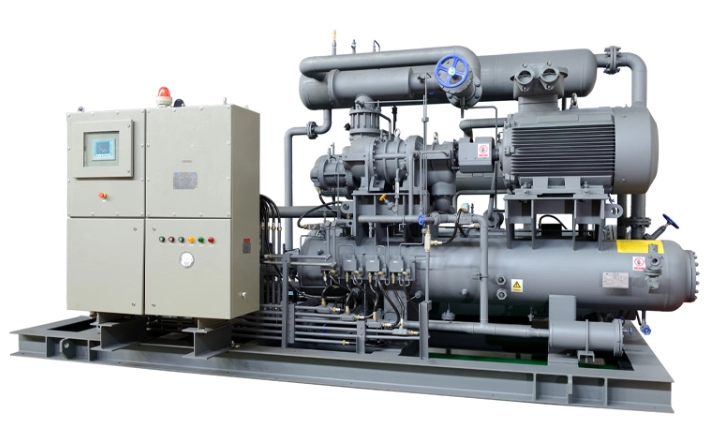
Stable Operation at Ultra-Low Temperatures
Siphon flow tech ensures steady refrigerant movement without mechanical pumps. The YS series siphon low-temperature brine chillers use the fresh high-output LG series screw compressors, which run quietly and reliably. These units hold brine temperatures under -40°C with great heat steadiness, fitting for non-stop work.
Reduced Maintenance Through Simplified System Design
No circulation pumps mean fewer breakdowns and lower upkeep costs. Also, the closed system build greatly cuts leak chances. Built-in auto controls let exact liquid level checks and steady running happen.
Users wanting a solid choice can look at the Siphon-Type Low-Temperature Brine Chiller, which mixes small size with fine work in rough spots.
Absorption Refrigeration Equipment Solutions
Absorption systems use heat instead of power as their main energy source, perfect for spots with waste heat or steam available.
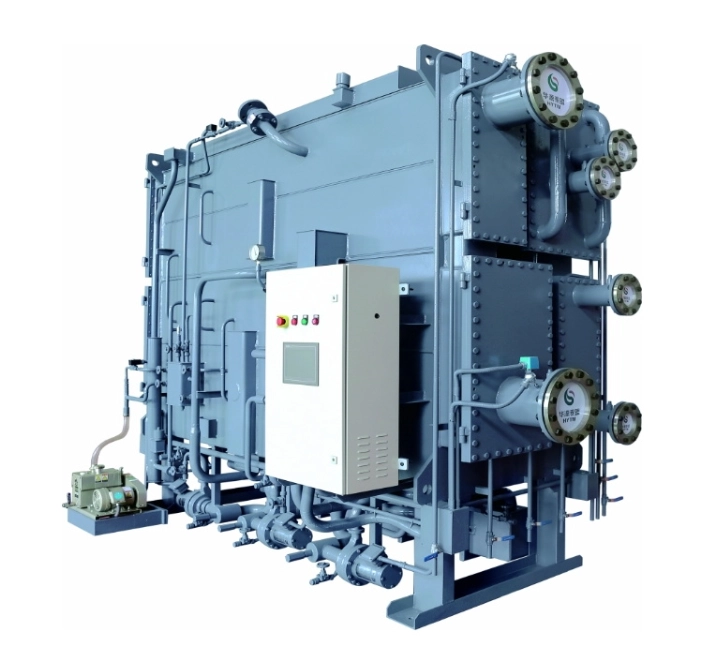
Heat-Energy Utilization for Cooling Applications
By using steam or hot water from plant work, absorption systems turn heat energy into cooling results. Uses cover industrial cooling, district heating and cooling. This cuts power needs a lot and fits with full-plant energy plans.
Quiet Operation and Minimal Vibration Characteristics
Since these systems run without mechanical compressors, sound and shake levels stay low, good for quiet areas or spots needing little upset.
The Absorption Refrigeration Equipment handles both cooling and heating via a combined cycle build, while working with various heat sources like flue gas and waste steam.
Control Systems and Automation Technologies in Modern Refrigeration Units
Automation helps a lot with work productivity, safety rules, and power use in all refrigeration systems.
Intelligent Monitoring Systems With Real-Time Data Analytics
Smart controls let far-off watching through main platforms with early maintenance tools. Multi-channel network far-off watching and checking support gear state checks via mobile tools and wireless nets, which allow quick fixes and rule records.
Integration With Industrial Control Networks
Current refrigeration systems link well with SCADA or PLC nets for main control over many units. This gives fast replies to problems and matched load sharing under changing needs.
Key Automation Features Across MOON TECH Products
- Easy-to-use human-machine interface (HMI) panels
- Auto defrost cycles and load sharing
- Alarm setups with multi-level problem checks
Why Choose MOON TECH as a Refrigeration Partner
Proven Expertise in Engineering Complex Refrigeration Systems
Set up in 1956, it focuses on giving global clients refrigeration and heating system setup options. With years of know-how, the firm provides full help from design to after-service.
Broad Product Portfolio Tailored to Industry Needs
From brine chillers to absorption systems, screw compressors to quick-freezing gear, options are built modular for growth across plant sizes and uses.
Commitment to Quality, Safety, and Global Standards Compliance
All items made under ISO-approved steps. Export-ready gear meets world codes and approvals. Safety parts like pressure release valves and smart sensors give calm during steady running.
FAQ
Q1: What makes two-stage screw compressors more efficient than single-stage models?
A: They cut energy waste by squeezing gas in two steps, boosting volume output especially in deep cold conditions.
Q2: Why is siphon circulation preferred in low-temperature brine chillers?
A: It skips mechanical pumps by using natural refrigerant flow, cutting power use and breakdown risks.
Q3: Can absorption refrigeration systems replace electric-driven ones completely?
A: Yes, if enough heat sources like steam or flue gas are there, they can give similar cooling without power.
Q4: How do MOON-TECH’s automation systems enhance reliability?
A: They offer live watching, early checks, far-off control, and auto safety tools for steady running.
Q5: What factors should be considered when selecting refrigerants for modern installations?
A: Focus on low-GWP picks like R717 or CO₂ for green rules while making sure they fit system builds and needed output.