Industrial refrigeration drives many vital tasks. These include precise process cooling and large food storage. Knowing the refrigeration cycle goes beyond simple curiosity. It serves as a key need. Without this knowledge, you risk inefficiencies and old systems. These can harm your output, energy expenses, and growth potential.
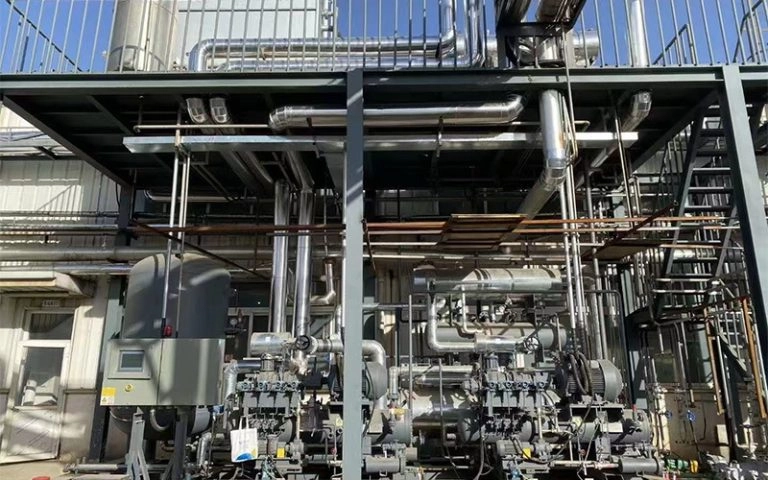
If you want advanced, energy-saving, and tailored refrigeration setups, check out MOON-TECH. With more than 65 years in the field, MOON-TECH leads as China’s top maker of screw compressors. It also stands as a worldwide expert in ready-to-use refrigeration and heating projects. MOON-TECH focuses on giving customers around the world full refrigeration and heating system setups. They handle complete turnkey jobs too. Their tech supports uses from food handling and factory cooling to smart energy control. All this comes with ongoing support through the system’s life.
Why Understanding the Refrigeration Cycle Matters in Industrial Applications
In tough industrial settings with high needs, small issues can grow into big problems. A weak grasp of the refrigeration cycle often results in systems that run poorly. These setups cost more to operate and fix.
Inefficiencies in Cooling Systems Increase Operational Costs
A setup that is not tuned right or is worn out makes compressors strain more than needed. This leads to high energy use. MOON-TECH’s method for energy-saving designs cuts running costs. It does so by using current compressor tech and smart layouts.
Inconsistent Temperature Control Affects Product Quality
In places where steady temperatures are vital, like chemical work or cold supply chains, shifts in temp can ruin products. Cooling that varies hurts factory processes and storage. Reliable temp output ties straight to how well the evaporation step works in the refrigeration cycle. So, steady performance here boosts product consistency and system trust.
Outdated Equipment Limits System Scalability and Flexibility
Old systems use extra energy. They also face trouble linking to new automated plants. As a result, they block adding capacity and fitting into updated controls. This makes it hard to handle rising or shifting needs.
Core Components of the Industrial Refrigeration Cycle
The industrial refrigeration cycle runs in a steady loop. It has four main steps: compression, condensation, expansion, and evaporation. Each step has a clear job in keeping cooling strong.
Compression as the Driving Force of Refrigerant Circulation
Compressors raise the refrigerant’s pressure. This helps it take in heat well after expanding. The step sets the system’s power and output. So, the compressor’s work is key to improving the cycle. It matters most when handling big temp differences in factory tasks.
Condensation for Heat Rejection and System Balance
After compression, the refrigerant turns into hot vapor. It moves to a condenser to give off heat to air or water. Condensers push out taken-in heat. This keeps the cycle even and the refrigerant in proper form. Thus, this step is vital for overall heat balance in the system.
Expansion and Evaporation for Efficient Cooling Delivery
Post-condensation, refrigerant goes through an expansion valve. This drops its pressure. Then, it can evaporate in the evaporator coils. That process pulls heat from nearby areas. It finishes the cooling loop. So, expansion valves lower pressure to allow evaporation that draws heat from the space.
Advanced Compressor Technologies in Modern Refrigeration Systems
Switching to better compressor tech can boost system output and dependability. It also trims running costs a lot.
Mixed-Refrigerant Compressor Enhances Energy Efficiency
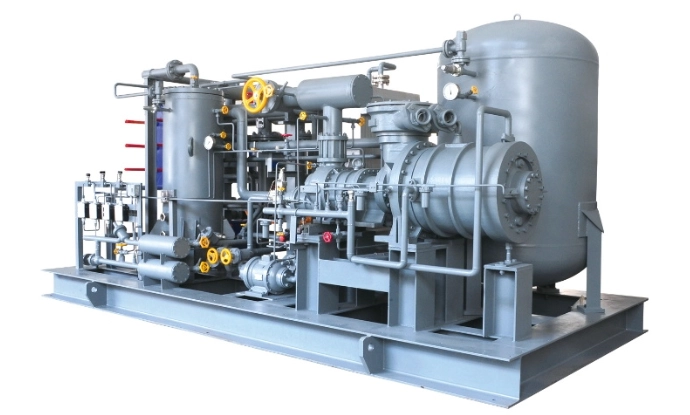
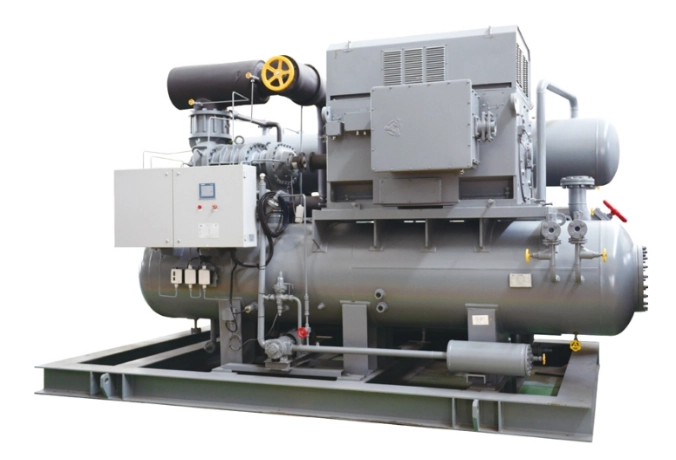
The Mixed-Refrigerant Compressor fits uses like gas turning to liquid and recovering hydrocarbons. It manages tough heat tasks with various refrigerants. The screw compressor uses a half-closed build with no shaft seal and zero leaks. The unit comes pre-built in the factory. It ships whole on a skid. This cuts site work and speeds up setup time.
Two-Stage Screw Compressor Supports Low-Temperature Applications
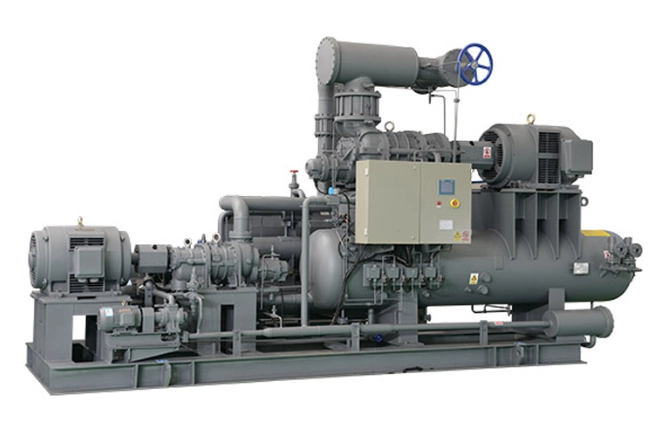
For temps under zero, like freezing or chilling processes, the Open-type Skid-Mounted Separate Two-Stage Screw Compressor Unit gives strong output. It suits low-temp jobs with evaporation below -25°C. Plus, it works much better than one-step units with add-on economizers.
Modular Compressor Units Simplify System Integration
Skid-mounted compressors take less space for setup and start up quicker. Since the unit assembles in the factory and moves on a skid, you cut install time. At the same time, you raise running time.
Low-Temperature Solutions for Industrial Cooling Demands
When your work needs steady action below freezing, special gear ensures trust and safety. It does this without losing output.
Flooded Brine Chillers Provide Stable Sub-Zero Cooling
The Flooded Low-Temperature Brine Chiller has flooded evaporators and strong screw compressors. The YS series flooded-type low-temperature brine chillers rely on new LG high-efficiency screw compressors as the main part. They keep even heat output at -5°C outlet temps.
Secondary Refrigerants Improve Safety and Thermal Control
Options like ethylene glycol or calcium chloride as backup coolants lower the main refrigerant amount. This raises system safety. Secondary coolants can include ethylene glycol, calcium chloride, methanol, propylene glycol, sodium chloride, and other solutions.
Application Flexibility Across Food, Pharma, and Chemical Sectors
Custom setups meet varied industry needs. These range from brine chilling to gas pressing. Based on project traits and real demands, MOON-TECH picks the right fluid and system. Then, they build the best refrigeration fit.
Why MOON-TECH Is a Strategic Partner for Industrial Refrigeration Projects
Your refrigeration setup depends on the team supporting it. MOON-TECH blends years of solid engineering with full help.
Proven Engineering Expertise in Complex Refrigeration Systems
With its exceptional services in the global industrial refrigeration sector, MOON-TECH has developed cutting-edge refrigeration system technologies that are recognized as industry leaders.
Full-Service Offering from Design to After-Sales Support
Services span the whole project life. They include tech advice, planning, design, buying gear, setup, and startup. You get smooth talks and steady quality all along.
Product Innovation Aligned with Industry Sustainability Goals
MOON-TECH’s setups stress energy savings, steadiness, and eco-care. Their ongoing push for green tech matches worldwide efforts to cut carbon.
FAQ
Q1: What makes a two-stage compressor better for low-temperature applications?
A: Two-stage compressors run more smoothly under big pressure gaps in low-temp spots. They split compression into two parts. This cuts energy waste.
Q2: How does mixed-refrigerant technology improve energy efficiency?
A: Mixed-refrigerant compressors deal with several boiling points in one loop. This tunes energy across different heat needs.
Q3: Why use secondary refrigerants like brine?
A: They cut the main refrigerant flow. This boosts safety. They also give exact temp handling for key uses.
Q4: What advantages do skid-mounted units offer?
A: They ease setup, lower site work needs, and shorten startup time. All without cutting output.
Q5: How does MOON-TECH ensure long-term system reliability?
A: Through full life support. It covers upkeep training, checks, remote watch, and custom service plans for each site.