
The worldwide logistics sector reaches a key turning point where energy savings align with environmental care. As running expenses rise, achieving equilibrium between effective cooling and eco-friendly power use becomes essential. Here, MOON-TECH, a leading firm with 70 years of knowledge since 1956, enters to reshape the field. Focused on full refrigeration and heating setups, this strong entity delivers complete turnkey initiatives that blend intelligent energy handling with solid technical skills. Selecting such an experienced ally grants entry to years of advances in CO2 setups and heat control aimed at improving financial outcomes.
Waste Heat Recovery in Modern Cold Chain Systems
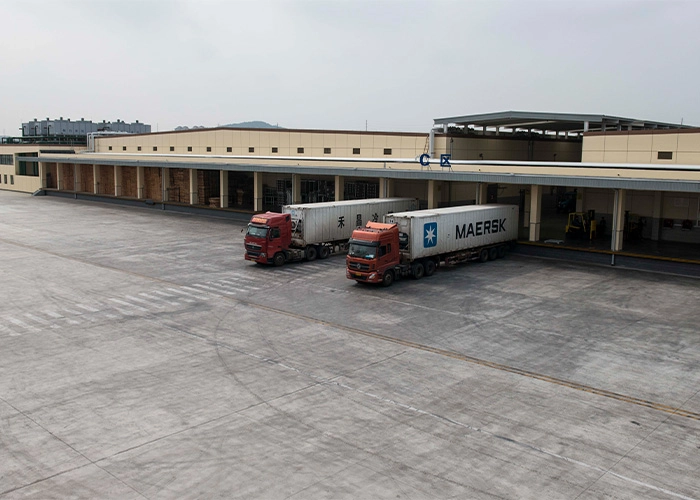
Current logistics centers confront growing utility rates and firm carbon rules. Standard cooling approaches depend largely on the electric network, which exposes operations to rate jumps and supply disruptions. Turning attention to recovery methods changes thermal waste into a useful tool for temperature regulation.
Current energy crisis in global logistics
Worldwide supply networks now deal with elevated power prices that cut into earnings of major storage sites. Dependence only on the grid heightens risks from market changes and power lacks in busy periods. These factors strain the financial stability of logistics operations.
Potential of industrial waste heat utilization
Numerous logistics sites lie close to factory areas or employ local machines that produce large volumes of untapped heat energy. Such heat frequently vents to the air, marking a huge missed chance for expense cuts and better performance. Harnessing this resource boosts overall system efficiency.
Shift towards sustainable absorption cooling technology
The sector advances to absorption setups since they enable skipping major electric demands by employing heat as the main force. This move aids enduring green aims while upholding strict cooling levels needed for food and short-life goods. Consequently, facilities achieve both reliability and reduced environmental impact.
Technical Principles of Heat-Driven Absorption Refrigeration
Grasping how heat generates cold forms the initial phase in refining facility performance. Distinct from mechanical compressors, these setups employ a chemical method to shift heat, which cuts down on equipment strain and maintenance needs. This technique permits use of mild heat sources that might otherwise get wasted.
Lithium bromide absorption cycle mechanics
The operation uses a dense liquid that takes in refrigerant gas, forming a loop based on heat power instead of strong electric input. This loop yields a steady and low-noise cooling output suited for broad ongoing tasks. As a result, systems run smoother in demanding settings.
Thermal energy conversion into cooling power
Heat applied to the generator divides the refrigerant, which then vaporizes to draw heat from storage areas. This change produces cooled water or air through inputs like steam or warm water. Such processes enhance the use of available thermal resources.
Elimination of traditional chemical refrigerants
These setups mainly rely on natural agents such as water and lithium bromide, which carry no global warming risk. Facilities meet cooling goals free from rules tied to high-impact man-made refrigerants. This choice supports cleaner operations across the board.
Economic Benefits of Implementing Absorption Units
Finance teams value the move from daily costs to lasting asset returns. By tapping heat already present or obtained at low rates, the basic costs of cold storage change. This financial adjustment appears clear in areas with dense industry presence.
Reduction in peak electricity consumption costs
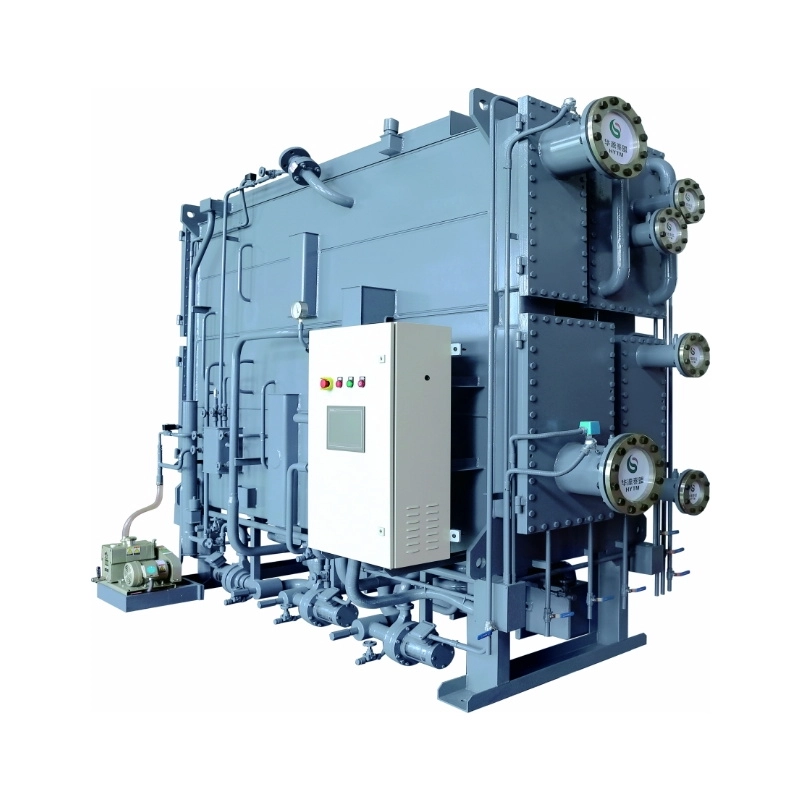
Employing Absorption refrigeration (heating) equipment transfers cooling demands off the electric grid. This action greatly reduces peak usage fees during warmest times when power rates peak. Facilities thus gain better control over energy budgets.
Shortened ROI through energy savings
Though upfront planning demands effort, sharp drops in regular power bills make systems recover costs fast. Turning waste into a key resource steadies future financial plans. This outcome strengthens long-range planning in logistics.
Lower operational expenses via waste heat
Drawing on current heat flows lowers the price per unit of cooling to a small part of usual ways. This builds a market edge in logistics, enabling lower prices or higher profits. Such benefits drive competitive positioning.
Core MOON-TECH Equipment for Thermal Efficiency
Picking suitable gear proves vital for a dependable setup that endures round-the-clock logistics demands. Quality devices guarantee that heat recovery runs both effectively and securely, delivering needed temperatures for various cargo types.
MOON-TECH Absorption waste heat recovery unit
The Absorption waste heat recovery unit works to pull top value from mild heat origins. It serves as the core of energy conservation efforts, making sure all useful heat gets employed. This unit integrates seamlessly into broader systems.
MOON-TECH Absorption refrigeration (heating) equipment
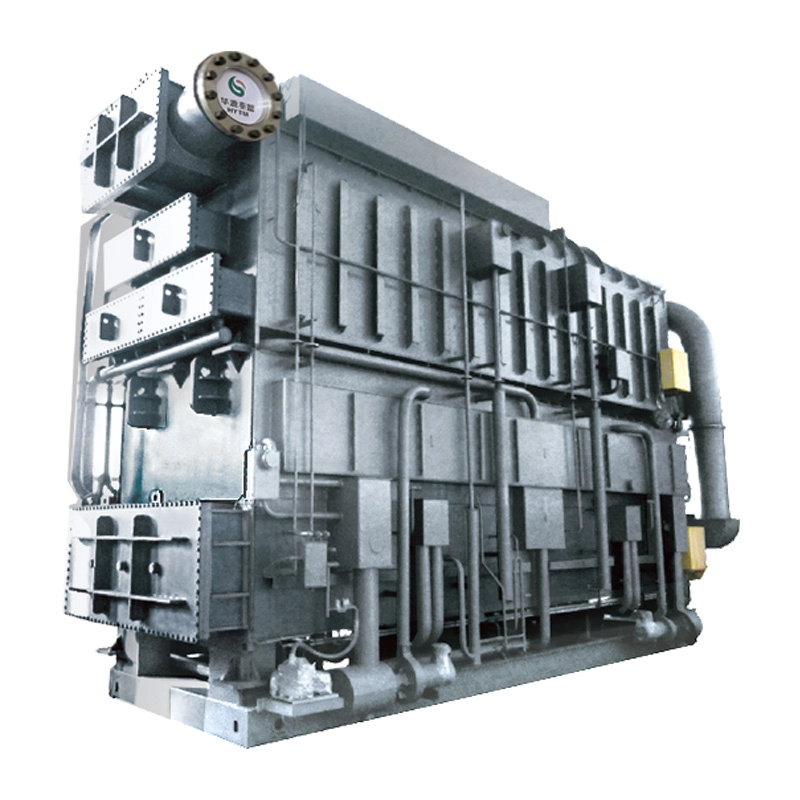
This flexible gear supplies essential cooling for food handling and logistics bases, keeping steady temperatures. It withstands heavy use in pro distribution spots while holding high output levels. Reliability remains a key feature in its design.
MOON-TECH Flue gas heating unit
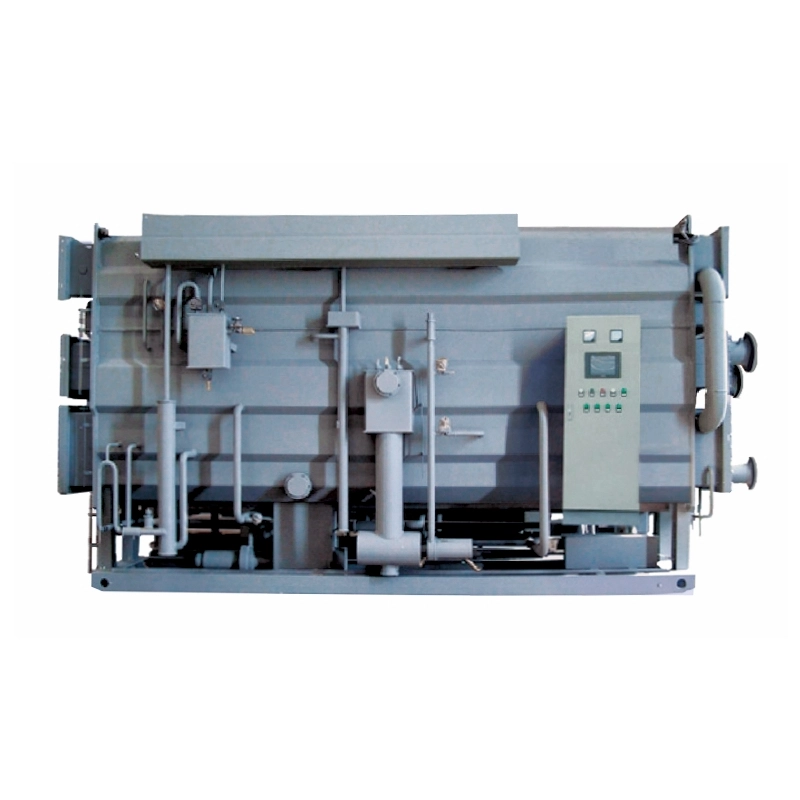
For grabbing energy from vent flows, the Flue gas heating unit shifts heat from hot air to cooling networks. This lets access to waste heat from boilers or motors with strong dependability. Integration enhances overall thermal capture.
Strategic Applications in Large-Scale Distribution Centers
Fitting these units into sites calls for a planned review of current energy structures. For new builds or updates to older ones, these systems adapt to diverse factory settings, particularly those needing multiple temperature levels.
Integration with gas-fired power generation
Sites using gas motors for local power find hot exhaust ideal for cooling fuel. This paired method maximizes energy drawn from each gas volume. Facilities achieve fuller resource use through this link.
Recovery of boiler and turbine exhaust
Big logistics zones often feature central steam or hot water networks that feed straight into absorption units. This forms a looped energy flow that shrinks the green impact of whole factory areas. Such recovery promotes site-wide sustainability.
Hybrid cooling solutions for varied temperatures
Combining absorption units with standard screw compressors builds a balanced setup for chilled and frozen areas. This mixed method supplies proper tech for each warehouse temperature range. It ensures versatile handling of storage needs.
Why Choose MOON-TECH as Your Strategic Partner
Linking with a specialist makes the switch to waste-heat cooling smooth and productive. Over seven decades, emphasis stays on offering solid, combined answers that tackle issues in world trade and food protection.
Proven global cold chain project experience
A record from 1956 brings deep skills in handling tricky setups across varied weather and fields. Benefits come from past wins in seafood, poultry, and meat logistics handling. This history guides current implementations.
Customized integrated energy system solutions
Each site differs, and designs consider exact heat origins and cooling demands. Included are smart energy controls that refine output in real time. This tailoring fits unique operational patterns.
Professional full-lifecycle technical support services
From start design to ongoing upkeep, a worldwide aid web backs operations. This keeps gear at top function through its full term, safeguarding funds. Support covers all phases effectively.
FAQ
Q1: What are the main requirements for using an absorption cooling system?
A: A reliable heat source like steam, hot water, or flue gas is needed, along with a cooling water supply to release the captured heat.
Q2: Can these systems provide temperatures low enough for frozen food?
A: Standard units suit chilled storage well, but for deep-freeze needs, they pair with efficient compressors in hybrid arrangements.
Q3: How long do these units typically last compared to electric ones?
A: With fewer moving elements and lower pressure runs, these units often show longer service life and reduced wear.