
If you keep up with the cooling field these days, you might spot the big move to natural coolants. For 70 years, MONTECH leads this change. They shifted from old-style makers to a world top in cold cooling and power-saving tools. Their work covers huge water power temp checks to detailed food lines. They sell more than parts. They build trust in the gear. For a small shop or a wide factory, their skill in CO2 and low-GWP tech keeps your work legal and money-making. Look at their about-us page. See how 70 years of hard engineering can steady your costs. In my view, their steady push forward sets them apart from flashier rivals.
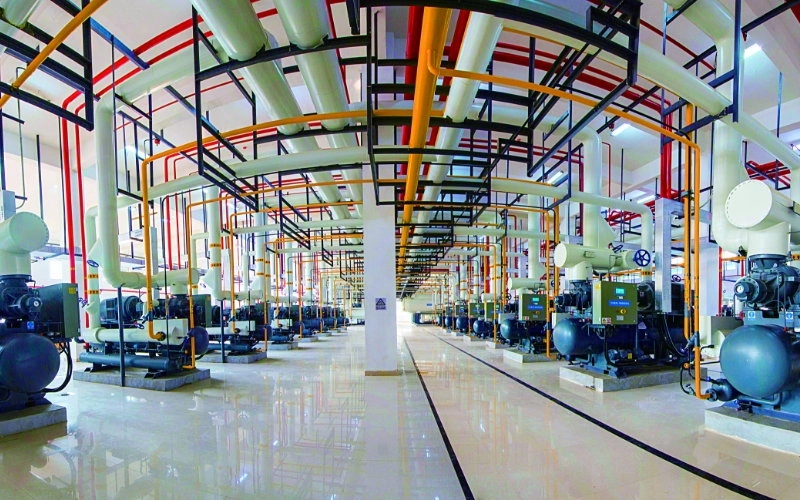
Evolution of Modular CO2 Refrigeration Systems
Big fixed cooling plants belong to the past. Today’s shops want gear that expands with them. Switching to modular types saves room. But it also guards your work against market ups and downs plus stricter green rules.
Shift From Centralized to Scalable Modular Architecture
Back then, more cooling meant full system redo. Now, modular parts let you add power right where needed. This change cuts stop times. It lowers start-up costs for growing spots. A food plant in Bangkok added two units last year without closing down.
Environmental Benefits of Natural Refrigerant Adoption
CO2 acts as a natural coolant with GWP of one. Pick it over fake HFCs. You skip phase-out worries. It fits clean long-run picks that match world green aims. And it holds up in work without loss.
Economic Impact on Long-Term Operational Expenses
The tech seems high-end. Yet the gain hits the power bills. Modular CO2 gear often grabs heat better during cool runs. Reuse that heat for warm water or floor warmth. You get two jobs for one price. For a hotel chain, this cut energy use by 25%.
Technical Superiority of Phase Change Cooling Technology
Peek inside a current Solução do Sistema de Refrigeração de CO2. The work gains stand out. The key rests in gas-to-liquid switches.
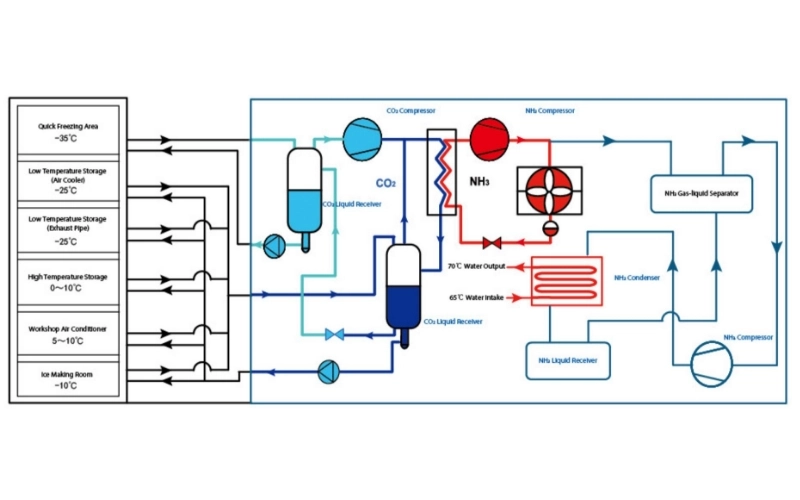
Core Principles of GEPT-R290 CO2 High Efficiency Units
O GEPT-R290 CO2 Phase Change Refrigerating Unit mixes R290 and CO2 wisely. It holds high-pressure CO2 subcritical. This eases wear on parts. It raises safety all around. Tests show it runs 20% smoother than older types.
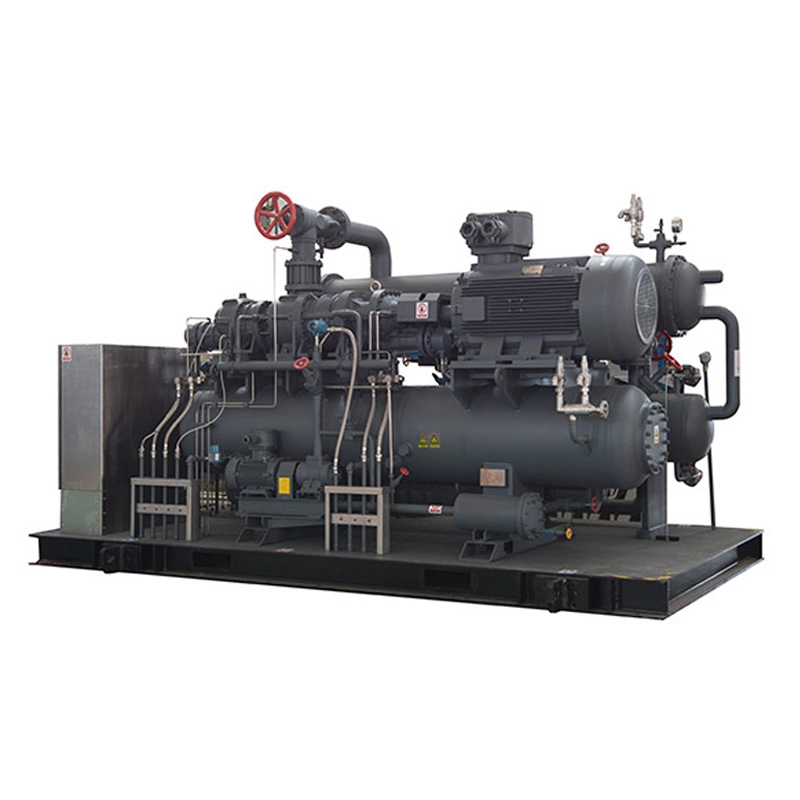
Energy Efficiency Gains Through Advanced Subcritical Cycles
Subcritical runs make compressors push less. Power draw falls clear. It keeps drinks cool or meat good without high costs. A small store saw bills drop 15% after install.
Integration of Smart Control for Variable Load Demands
New units skip full speed always. Sensors spot real cool needs. On a slow Tuesday with half stock, it slows down. This saves cash. Such tweaks make daily ops easier.
Solutions for Complex Commercial Refrigeration Challenges
Every site differs. A fish stand in wet coast town hits other snags than a dry hill shipping spot.
Flexible Installation for Urban Cold Chain Logistics
City room costs a lot. Modular units take little space. Put them on roofs or snug spots. This lets you use more storage area. Skip big machine rooms. In Singapore, one firm fit three on a tight roof.
Multi-Temperature Zone Management via Modular Expansion
You may want -25°C for ice treats and 4°C for veggies in one place. Modular ways manage these zones simply. Add the right part for the temp. Leave the rest alone. It keeps things running smooth.
Comparison of Modular Units vs Traditional Systems
| Característica | Traditional Centralized | Modular CO2 Phase Change |
|---|---|---|
| Installation Time | Months | Weeks |
| Scalability | Difficult/Expensive | Easy/Plug-and-Play |
| Refrigerant Charge | Alto | Baixo |
| Safety Risk | Higher Ammonia/HFC Volume | Minimal Natural Charge |
Key Performance Metrics of Modern CO2 Units
Facts tell the story. Pick a new cool setup by GWP and power shift. It goes past green talk. It keeps you open when rules shift. Real numbers from field use back this up.
Significant Reduction in Global Warming Potential
CO2 sets GWP near zero against thousands for old freons. Countries tax high-GWP coolants now. Switch early to dodge those fees. A firm in Europe saved thousands in taxes last year.
Optimization of Energy Consumption in Diverse Climates
Folks once said CO2 fits cold spots only. That changed. New phase designs shine in hot spots like Southeast Asia. Gas coolers and sub-cooling keep COP strong. In Thailand heat, it holds steady at 3.5 COP.
Summary of Maintenance Requirements and System Longevity
1.Auto oil return cuts hand checks.
2.Stainless steel pipes stop rust problems.
3.Standard parts speed fixes and cut costs.
4.Remote watch spots leaks early.
Future Trends in Southeast Asian Cooling Markets
Cold chain needs boom in spots like Malaysia and Indonesia. Local shops tire of lost goods from power fails or old weak tools. Growth hits 10% yearly here.
Rising Demand for Sustainable Infrastructure in Malaysia
Southeast leaders push green builds. CO2 gear aids tax cuts and green tags. It suits the area well. One Malaysian plant got full certification fast.
Impact of Regional Environmental Regulations on Tech Selection
More countries join climate deals. Safe coolant lists shrink. Lead now to avoid rushed swaps in five years. Delays cost big in fines.
Advantages of Localized Technical Support and Service Networks
Gear shines with quick fixes. A local net means no long waits for parts from far off. If a sensor acts up, help comes soon. See service details for full support over time.
Partnering With MOON-TECH for Sustainable Cooling Growth
Pick a cooling teammate wisely. Seek one with broad experience, from giant R717/CO2 cascades to small modular for local use.
Decades of Innovation in Natural Refrigerant Solutions
From 1956, they test natural coolant limits. This past gives systems from real data, not just tests. It builds real trust.
Comprehensive Life Cycle Services and Technical Training
Staff should grasp the system. Training and 24/7 smart service help. Your team handles it. Aid sits a call away if needed.
Customized Engineering Consultations for Global Partners
Skip one-size boxes. For big ice makers or exact CO2 for special jobs, custom talks fit your site. Visit contact-us page to start.
FAQ
Q1: What makes the GEPT-R290 CO2 unit safer than old systems?
A: It holds CO2 subcritical with R290 as main coolant. This drops pressure from transcritical types. It aids staff safety and upkeep ease.
Q2: Can I add more cooling capacity later without stopping my current operations?
A: Yes, modular build allows it. Add units side by side. Prep often runs while the old one works. Stop time stays near zero.
Q3: Is CO2 refrigeration expensive to maintain?
A: Not much. Tech starts advanced, but parts standard now. Modular lets service one spot without full shut. This saves on work and lost goods.
Q4: How does this system help with carbon credits?
A: CO2 GWP of 1 marks it green in most places. Firms hit ESG aims. Some trade saved emissions as credits.
Q5: Do these units work well in high-humidity areas like Malaysia?
A: Yes. Phase tech handles heat toss well in high temps. It proves fit for wet tropics where old CO2 lagged.