
In industrial cooling systems, where demands can change quickly, keeping stable conditions often separates smooth operations from expensive breakdowns. Abrupt shifts in load frequently cause pressure swings, which in turn trigger gas failure in refrigerant pumps—a persistent issue for facility operators. This article examines practical engineering methods that reduce such problems, thereby helping facilities stay both productive and secure.
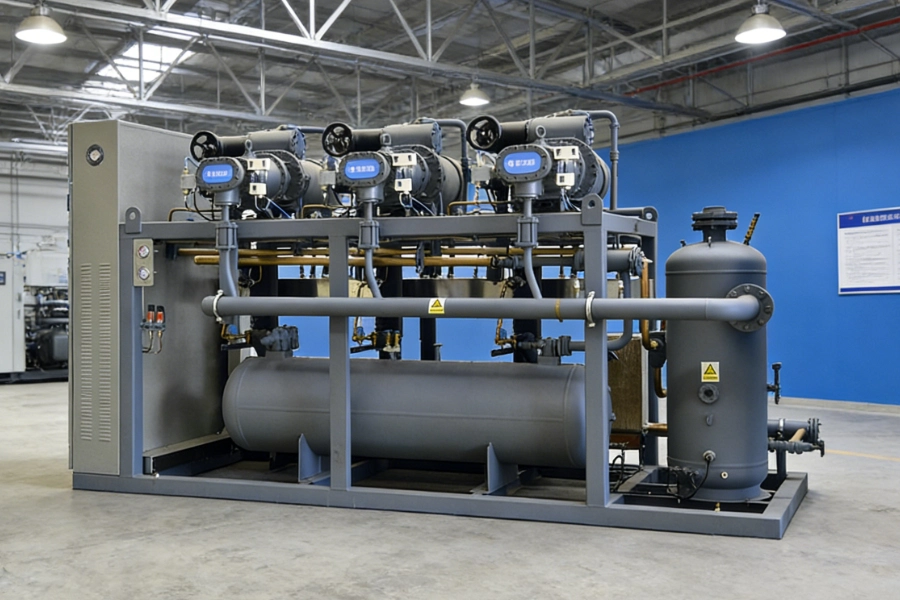
Facilities facing these issues benefit from working with an experienced provider. Founded in 1956 and now marking its 70th year, MONTECH has grown into a respected leader in refrigeration and heating solutions worldwide. Selecting their knowledge provides access to seventy years of progress across food processing, energy chemicals, and intelligent energy systems. Whether a complete turnkey installation or targeted technical support is needed, their people-focused method in thermal control guarantees dependable equipment performance even under strict international requirements.
Risks of Load Volatility in Industrial Cooling
Running an industrial refrigeration facility demands ongoing attention to sudden load variations. Whenever a substantial cooling demand appears without warning, suction pressure inside the surge drum falls sharply while compressors attempt to respond. Such a rapid decline pushes the liquid refrigerant to its boiling point almost immediately, producing a condition commonly called flashing. As gas bubbles appear in the liquid flow, refrigerant pumps lose prime, which results in dry running together with possible damage to seals.
Flash Gas Generation from Instant Depressurization
A quick drop in suction pressure compels the refrigerant to change into vapour ahead of schedule. Consequently, the pump encounters a two-phase mixture it cannot manage effectively, and flow ceases almost at once.
Mechanical Damage from Cavitation Bubbles
When those vapour bubbles implode under elevated pressure inside the pump, they generate intense micro-jets that gradually wear away metal components. Over extended periods, the resulting pitting seriously weakens the impeller as well as internal seals, sometimes causing complete breakdown.
Loss of Subcooling in Suction Lines
Repeated fluctuations eliminate the thermal margin necessary to hold refrigerant in liquid form. In the absence of adequate subcooling, slight pipe friction alone is sufficient to initiate vaporisation before the fluid arrives at the pump inlet.
Mechanism of Gas Failure During Pressure Surges
It is important to understand that gas failure represents not an isolated incident but rather a sequence of mechanical events started by overall system imbalance. During pressure surges, refrigerant within the pump casing can vaporise readily, forming an air-lock that stops the impeller from transferring liquid properly. This kind of instability occurs more often in facilities with high throughput, where rapid batch processing disrupts efforts to sustain a uniform saturation temperature.
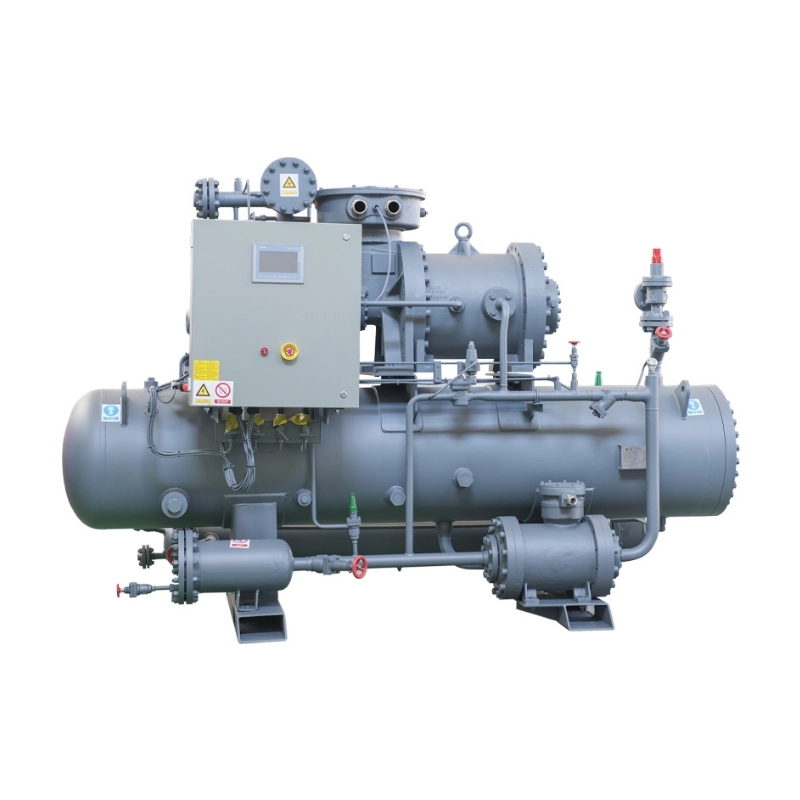
Semi-Hermetic Screw Refrigeration Compressor Unit Parallel Control
Employing a Unidade de Compressor de Refrigeração Semi-Hermética in parallel arrangement enables accurate control over multiple machines. Because capacity adjustments occur in controlled steps, the approach avoids extreme pressure variations that otherwise lead to pump gas-lock situations.
Pressure Drop Induced Liquid Boiling
Sudden depressurisation resembles the effect seen when a carbonated drink is opened, prompting gas to separate from the refrigerant across the circuit. The boiling process deprives the pump of the dense liquid phase required for consistent discharge pressure.
Impeller Air Lock Prevention Strategies
Fitting automated bypass valves combined with properly dimensioned piping helps limit gas buildup near the pump suction. In this manner, any vapour produced is directed back toward the surge drum instead of remaining trapped inside the pump housing.
Compressor Strategies for Pressure Stabilization
Maintaining stability in the core of the refrigeration circuit calls for thoughtful capacity management. Advanced screw compressor designs keep system pressure confined to a tight range despite varying external loads, and this consistency averts the sharp depressurisation that leaves pumps short of liquid. In major processing operations, for example, steady evaporation proves essential to avoid cavitation in pumps during intensive freezing phases.
Integrated Capacity Regulation Systems
Contemporary compressor units incorporate stepless or multi-step regulation so that output aligns closely with actual cooling needs. Consequently, abrupt start-stop behaviour of large drives is minimised, thereby eliminating harmful pressure pulses throughout the refrigeration circuit.
Automated Multi-Unit Load Balancing
Sophisticated control algorithms allocate demand evenly among several compressors, which improves both efficiency and operational steadiness. Through careful distribution of runtime and loading, the setup resists exaggerated responses to small temperature changes.
Real Time Data Monitoring Efficiency
Ongoing tracking of suction and discharge pressures enables the system to anticipate load shifts and adjust proactively before pump performance suffers. Such forward-looking intervention plays a key role in preserving the durability of mechanical elements over many years.
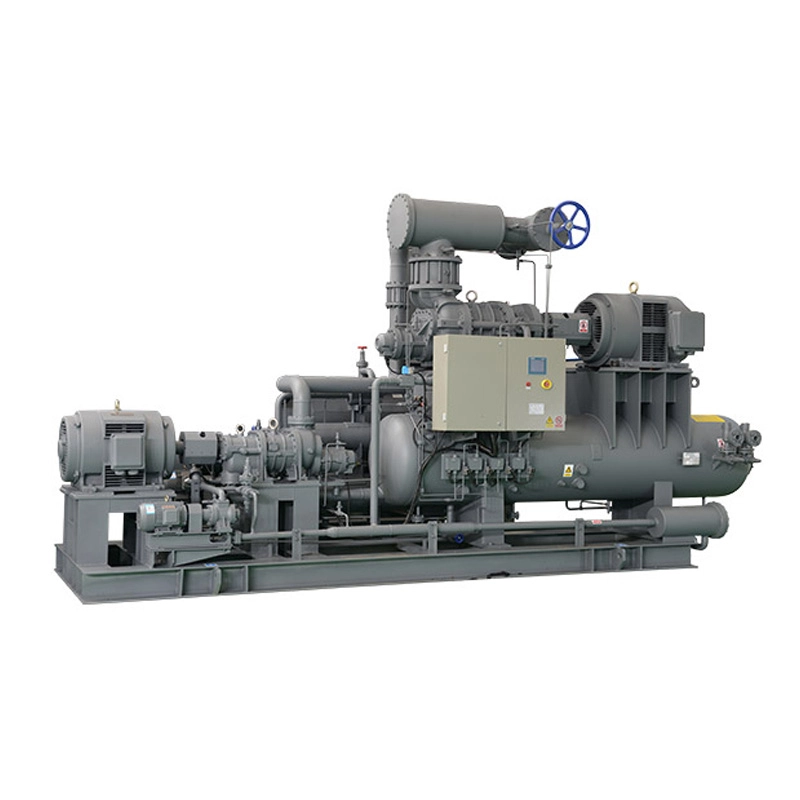
In particularly severe low-temperature applications, the Unidade de compressor de pantalha de dois estágios separada montada em Skid de tipo aberto delivers superior efficiency and steadiness at evaporating temperatures under -25°C, thereby keeping the low-pressure stage consistent even at maximum demand.
Liquid Management Solutions for Pump Safety
Apart from compressor performance, effective handling of liquid refrigerant largely determines pump reliability. Providing a steady static head remains the most reliable method to stop gas bubbles developing at the pump inlet, and this objective relies on precise level regulation together with designs that emphasise refrigerant pool stability during load transitions.
Advanced PMFL and SV Level Control
High-accuracy expansion valves and pilot valves cooperate to sustain a very stable liquid level within the surge drum. Since major level swings are avoided, the pump benefits from a reliable liquid column overhead at all times.
High Efficiency Ejector Oil Return
Well-managed oil return systems prevent oil films from forming on evaporator surfaces and impairing heat exchange. As a result, refrigerant characteristics stay consistent while the chance of foaming—and subsequent gas entry into the pump—decreases noticeably.
Liquid Cooled Oil Cooling Reliability
Cooling compressor oil directly with refrigerant integrates the thermal cycle more effectively. This arrangement eliminates localised overheating that might otherwise encourage vapour generation in the suction line.
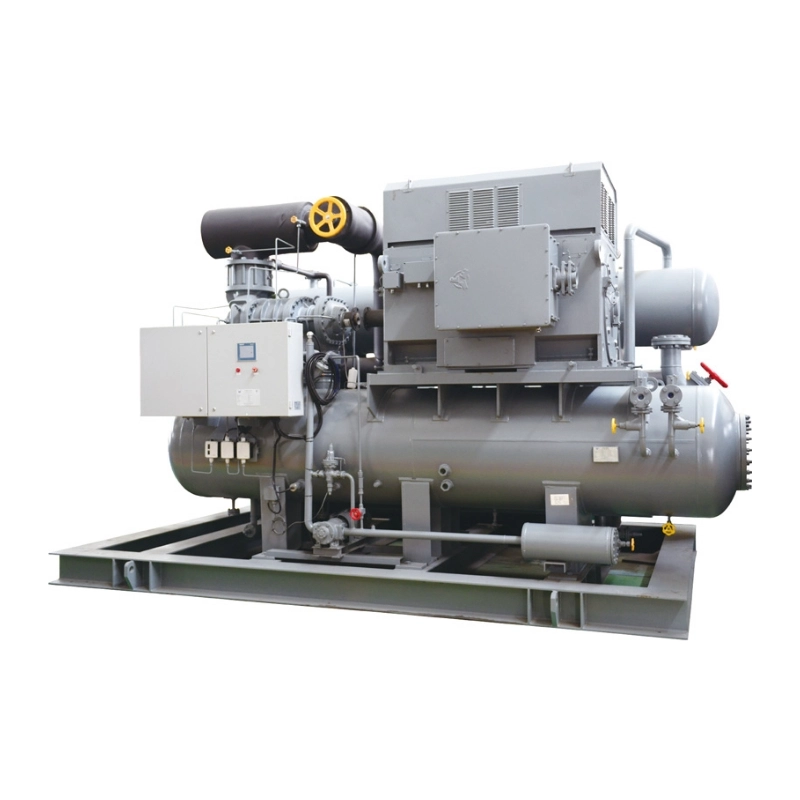
A Colher de brincadeira de baixa temperatura inundado suits these requirements particularly well because its flooded evaporator design, combined with an internationally recognised advanced level control system, continuously and automatically regulates refrigerant level to supply the essential pressure head for pumps.
Partner with MOON-TECH for Reliable Refrigeration Systems
Selecting equipment from a firm with seventy years of specialised experience brings confidence that all parts function together seamlessly. Whether the application involves food logistics or chemical processing cooling, these comprehensive solutions aim to lower operational hazards. Emphasis on authoritative E-E-A-T principles ensures the resulting installations offer robustness and sustained effectiveness in tough industrial settings.
Turnkey Project Management Expertise
Clients gain a single responsible contact throughout design, production, and commissioning stages. This comprehensive method guarantees that critical engineering aspects receive thorough consideration in pursuit of stable performance.
Global Support for Complex Systems
A 24/7 intelligent service commitment means specialist assistance remains accessible at any time and place. Such dedication to the full product lifecycle safeguards investments while keeping unplanned interruptions to a minimum.
Customized Solution Design Capability
Since each site presents distinct requirements, the capacity to adapt piping layouts and control strategies proves indispensable. Bespoke configurations handle individual load patterns with optimal efficiency and protection.
FAQ
Q1: What is the primary cause of gas lock in refrigerant pumps?
A: The most common cause is a sudden drop in system pressure, which leads to flash gas generation where the liquid refrigerant boils and creates vapor bubbles that block the pump.
Q2: How does a flooded evaporator improve pump stability?
A: A flooded evaporator maintains a higher liquid level and uses advanced level control systems to ensure a constant static head, which prevents the liquid from vaporizing before it reaches the pump.
Q3: Can two-stage compression help prevent pump cavitation?
A: Yes, by splitting the compression process, a two-stage unit maintains more stable pressures at extremely low temperatures, reducing the volatility that leads to flash gas.