
When you pick up a chunk of fish, you want it to have that sea taste, not an icy feel. In recent years, methods to keep seafood fresh have shifted quite a bit. It goes beyond just cooling things down now. The focus is on holding onto the food’s main qualities. This path from basic ice holders to advanced freezing tools keeps the worldwide seafood business going. If you seek a company that really gets this field, check out MONTECH. They started in 1956 and have become a major name in cooling tech. Over 70 years, they built up as a leading service group. They cover all steps, from early designs to ongoing smart checks. Their spot in China’s Top 100 machinery list comes from real results. They go past selling parts. They create whole setups so your goods stay top-notch from catch to buyer plate. From what I’ve seen in the trade, their long track record beats most newcomers.
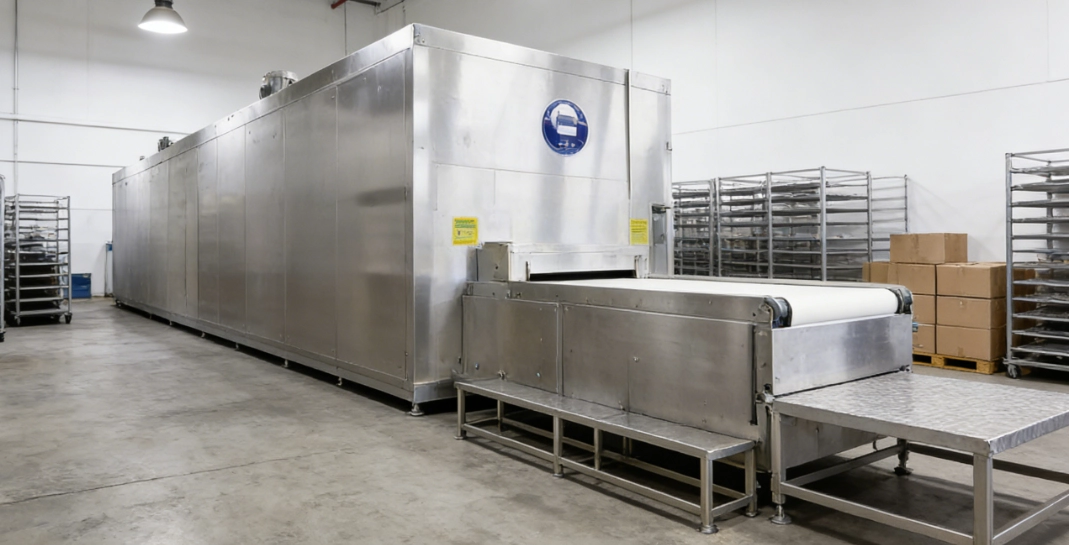
Overview of Freezer Innovation and Seafood Market Shifts
The seafood business picks up speed. Long ago, sales stuck close to the shore. Today, catches from the Pacific reach folks far inland. This big change came as freezing tech moved from slow cooling to quick action.
Transformation of Global Seafood Logistics
Shipping paths now support the whole food sector. You deal with more than nearby spots. Goods cross lands, and freezing pauses decay. Without these steps forward, much of the trade would fade away. Take a tuna haul from Japan to New York—it relies on solid cold chains.
Core Role of Temperature Control in Flavor Preservation
Cooling fish is simple enough. Holding the taste proves tougher. A small temp change crushes the small cells in the flesh. It works like a frozen drink can bursting, but tiny. Steady low cold keeps the fresh flavor. In practice, even a 2-degree dip can ruin a batch.
Economic Impact of Advanced Quick Freezing Technology
Smarter freezing brings in cash. An outdated setup might drop 5% to 10% of fish weight on thaw. That means cash slipping away. New ways trap the weight inside. This boosts yearly earnings a lot. For a plant handling 100 tons weekly, that adds real dollars.
Modern Challenges in Large Scale Seafood Preservation
As an exporter, time fights you hard. Once fish leaves the water, changes begin. Delay the freeze, and you get soft, dull results. The risky spot for ice buildup sits between -1°C and -5°C. You must pass it swiftly.
Prevention of Cell Structure Damage and Drip Loss
Slow freezing creates large ice bits inside. They slice cell walls like small cutters. On thaw, juices flow out. This drip loss harms quality badly. It turns premium stock into average goods.
Solutions for Maintaining High Protein Integrity
Seafood depends on its proteins. Top freezing uses very low temps to fix them in spot right away. This holds the firmness and flavor. It explains why certain frozen catches seem newly pulled. Industry folks note this keeps the natural bite.
Methods to Eliminate Traditional Ice Crystal Formation
Now, the key is crystals too small for microscope view. Avoid the gradual cool. Head direct to deep chill. This guards the fish or shrimp form. Skipping that zone cuts issues by over half in tests.
Technical Advantages of Fluidized Quick Freezers
For tiny goods like shrimp, scallops, or even berries, clumps are a pain. Here, congeladores rápidos fluidizados step in. They shift the game for bulk small-seafood work. Not every plant uses them yet, but those who do see quick gains.
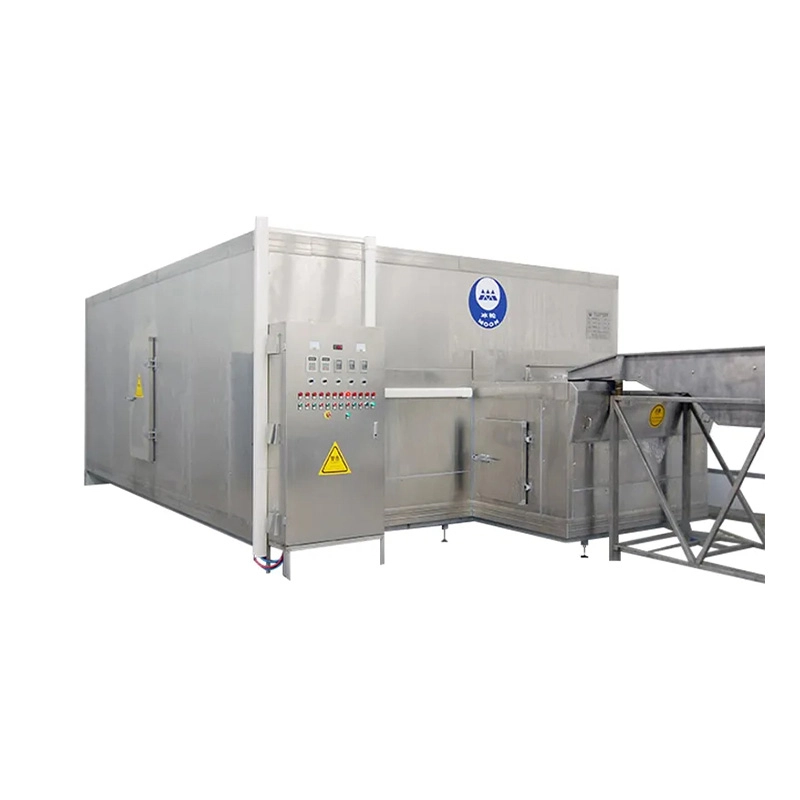
Principle of Complete Product Fluidization
The units push cold air from below. Shrimp float in the stream. All sides touch the chill together. It freezes them fast. Picture them moving in a cool breeze bed.
Achievement of High Heat Exchange Efficiency
Floating stops warm pockets. No worry about inner piles lagging. All parts reach the same chill level together. This beats older ways hands down. Heat moves out twice as quick in real runs.
Uniform Freezing Results for Small Crustaceans and Shellfish
Buyers like steady quality. In a shrimp sack, each needs to match. Fluidization gives every bit the same chill route. No stuck groups or ice lumps. Just neat single items. A 5kg test batch shows even thaw every time.
Operational Benefits of Intelligent Tunnel Quick Freezers
Big fish or large lines call for tough tools. Geladores rápidos de túnel inteligentes handle nonstop shifts. They form the core of many big seafood sites.
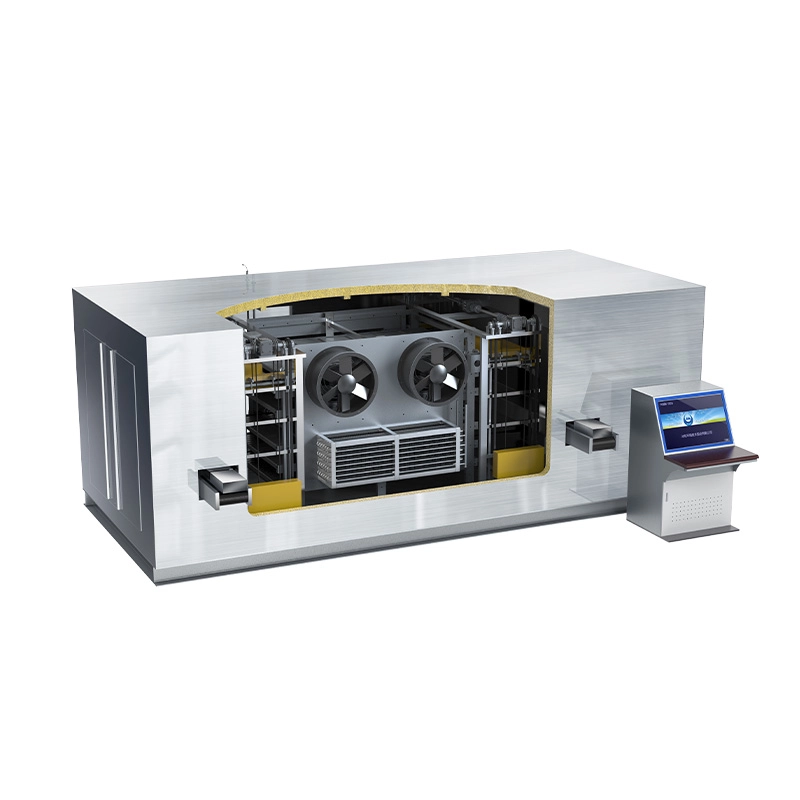
Integration of Automated Conveyor Systems
Workers cost plenty, and errors happen. Clever tunnels use auto belts for tons per hour. Small teams watch it. Costs drop, and flow stays smooth. One line might move 20 tons without a hitch.
Precision Control of Freezing Curves for Large Fish
Thick salmon wants slower chill than slim mackerel. Smart units adjust air pace and zone temps. Set it to fit the day’s load. This matches the freeze to exact needs.
Features for Continuous Industrial Processing Capability
With stacks of fresh items ready, stops hurt. Machines must last long. Solid tunnels include:
1.Tough stainless steel frames against salt harm.
2.Motors adjustable for load changes.
3.Simple clean builds for safety rules.
4.Big fans shifting air with low power waste.
Future Trends in Sustainable Cold Chain Technology
Green ways grow in the cooling field. Old times skipped power bills. Now, low use keeps you ahead. Some setups still guzzle energy, but shifts happen.
Comparison of Traditional Freezing vs Intelligent Quick Freezing
| Característica | Old Cold Rooms | Smart Quick Freezers |
|---|---|---|
| Freezing Time | 10 to 20 hours | 10 to 60 minutes |
| Weight Loss | High (up to 10%) | Very Low (under 1%) |
| Food Quality | Often mushy | Near-fresh texture |
| Labor | Lots of lifting | Mostly automatic |
| Power Use | Higher per ton | Lower and efficient |
Reduction of Energy Consumption in Industrial Equipment
Fresh units pick CO2 or ammonia often. They suit the planet better and cool stronger than past types. Less power for more chill cuts running costs. A switch might save 30% on bills yearly.
Enhancement of Global Export Compliance Standards
Food safety laws tighten worldwide. Track-all systems help. Clever freezers note temp and time per load. This shows inspectors your seafood meets marks easily.
Why Choose MOON-TECH as Your Professional Freezer Partner
Choose a teammate with past wins. Picture a setup for 100,000 tons cold hold plus 12 tons fish per hour. That scale demands know-how.
Decades of Expertise in Industrial Refrigeration Solutions
70 years bring deep skills. Beyond machine build, they use 3D plans for pipes and lines pre-site. This skips many later troubles. Their approach feels solid from day one.
Global Service Network and Technical Support
Breakdowns spoil fish and cash quick. 24/7 smart serviço pledges quick aid. In Asia, Middle East, or beyond, help waits ready.
High Performance Fluidized and Tunnel Freezer Portfolio
Tools fit each task. From huge 384-ton blast to small shrimp units, all lock fresh sea taste. Buyers return for that quality hold.
FAQ
Q1: Why does my frozen fish taste dry?
A: Slow freezing usually causes it. Drip loss lets juices escape. Cooking leaves dry meat behind.
Q2: Can I use one machine for different types of seafood?
A: Yes, many smart systems let changes. Adjust belt pace and air heat for shrimp or big cuts.
Q3: Is it hard to keep these machines clean?
A: No, if built well. Stainless steel and access spots allow easy sprays for safety.
Q4: How much money can I save with quick freezing?
A: Drop loss from 5% to 1%, save 4% product. Large ops gain millions in sales yearly.
Q5: What happens if the power goes out?
A: No power means no run, but good units hold chill long. 24/7 support gets you back fast to save stock.