
Сегодня’ Фабричная настройка с, использование энергии часто стоит как самый большой переменный расход, наносящий удар по вашей прибыли. Улучшение теплообработки стало более чем просто инженерным выбором; Это служит ключевым шагом по экономии денег. МУНА-ТЕХОснована в 1956 году, фокусируется на низкотемпературном охлаждении, экологически чистом отоплении и энергохимическом оборудовании. Через заказ индивидуальные промышленные решения В сочетании с новыми исследовательскими усилиями, они поставляют безопасные и энергоэффективные настройки клиентам в более чем 120 странах. Независимо от того, нужна ли вам точная регуляция тепла для сложных химических задач или огромных проектов установки, их широкая всеобъемлющая сервисная сеть гарантирует, что ваш завод работает с максимальной производительностью на протяжении всего срока эксплуатации.
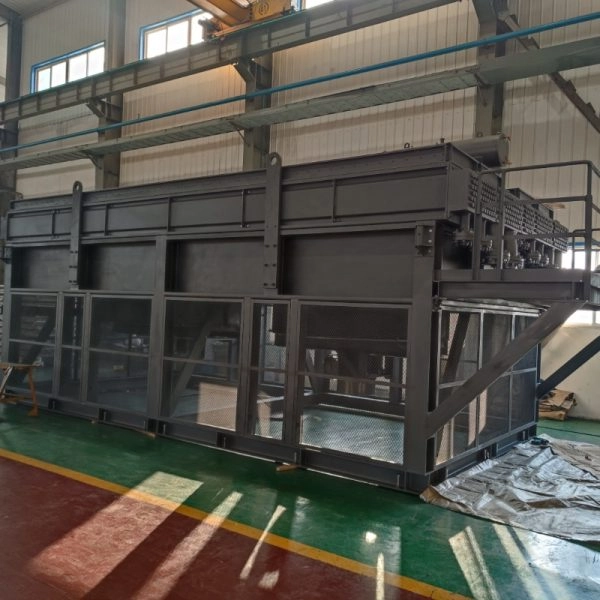
Экономическое воздействие высокоэффективного промышленного теплообмена
Промышленный теплообменник выходит за рамки основного оборудования; Он выступает в качестве жизненно важного драйвера для контроля расходов в вашей операции. Когда вы переходите на лучшие методы обмена, вы восстанавливаете тепло, которое в противном случае могло бы остаться неиспользованным, что приводит прямо к значительному ежегодному сокращению затрат.
Прямое снижение эксплуатационных затрат на электроэнергию
Лучшие настройки обмена снижают нагрузку на компрессоры и сокращают рабочие часы вентилятора. Поскольку ваш тепловой поток работает плавно, настройка быстрее достигает необходимых уровней тепла, тем самым сокращая обычные заряды электроэнергии.
Значительное снижение промышленного потребления воды
Усовершенствованные методы закрытой цепи и на основе пара сокращают постоянные добавки воды. В районах с нехваткой воды или с высокими затратами это снижение потребностей в поставках останавливает тысячи долларов от просто исчезновения в воздухе.
Продление срока службы основного оборудования
Сохраняя стабильную тепловую установку, вы защищаете свою основную передачу от теплового износа. Точное охлаждение позволяет избежать избыточного тепла в маслах и уплотнениях суставов, что уменьшает дорогостоящие внезапные ремонты и замену компонентов.
Передовая технология испарения для оптимального теплового контроля
Когда ваш завод имеет дело с большими тепловыми потребностями, паровое охлаждение дает более сильный вариант энергосбережения по сравнению со старыми способами. Используя скрытое тепло в испарении, такие системы перемещают больше мощности с уменьшением механической работы.
Изпарительный конденсатор MOON-TECH с принципом латентного тепла
В испарительный конденсатор использует умный туман и размещение потока воздуха для освобождения тепла. Этот метод дает более холодные точки конденсации, чем только воздушные установки, что значительно повышает полный коэффициент энергоэффективности (EER) вашей операции охлаждения.
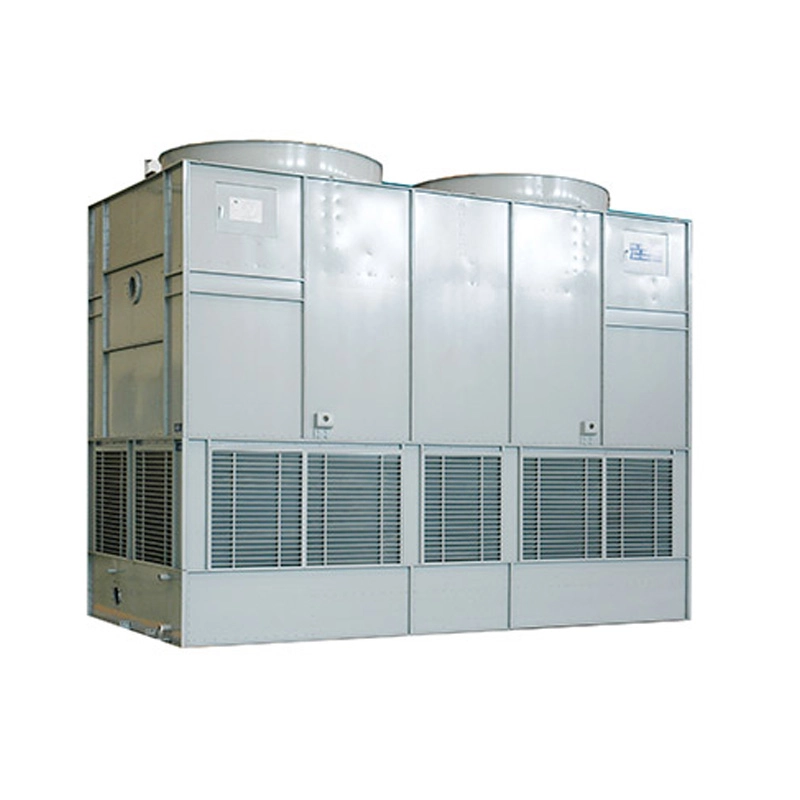
Композитный механизм охлаждения промышленного композитного воздушного охлаждателя
В местах с изменением температуры погоды, Промышленный композитный воздушный охлаждатель предлагает гибкую фиксацию. Он легко перемещается между сухой и влажной работой, поэтому вы избегаете использования дополнительной воды или электроэнергии за пределами того, что действительно требует окружающая среда.
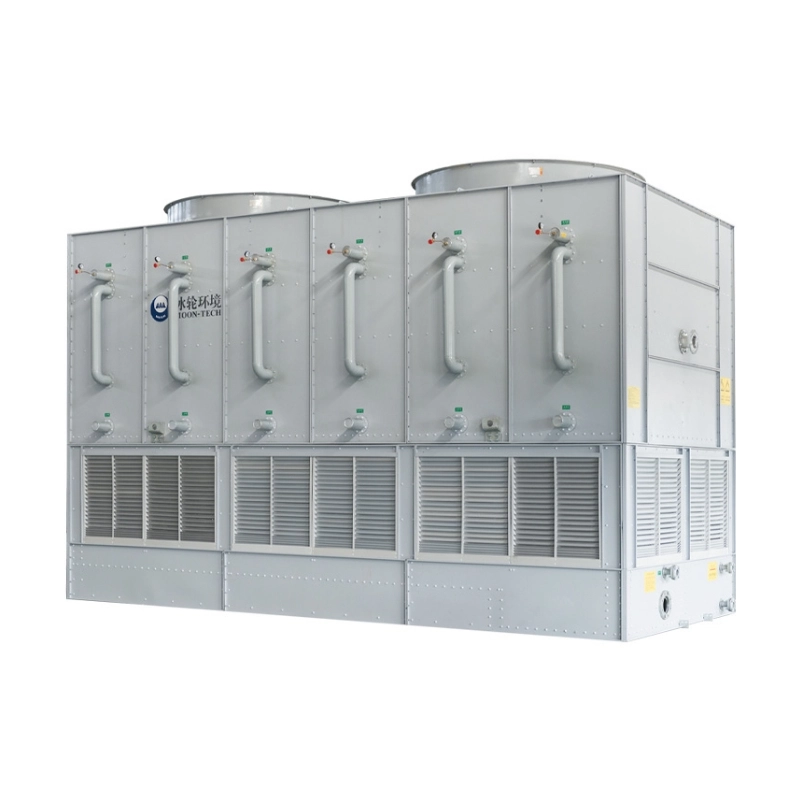
Умные водосберегающие функции в влажных условиях
Текущие блоки управления обнаруживают внешние уровни влаги и настраивают время тумана по мере необходимости. Таким образом, они прекращают дополнительную потерю воды в влажные периоды, но обеспечивают полную охлаждающую мощность на фоне интенсивной летней теплы.
Мощные решения для воздушного охлаждения в районах с нехваткой ресурсов
В местах, где обработка воды оказывается жесткой или правила окружающей среды ужесточаются, варианты воздушного охлаждения обеспечивают стабильный и простой путь к тепловому балансу.
Преимущество сухого охлаждения воздушно охлаждаемых теплообменников
В Воздушно охлаждаемый теплообменник полностью пропускает необходимость в цикле водного охлаждения. В результате он избегает накопления, грязи и роста микробов, что в основном вызывает падения производства для систем, зависящих от воды.
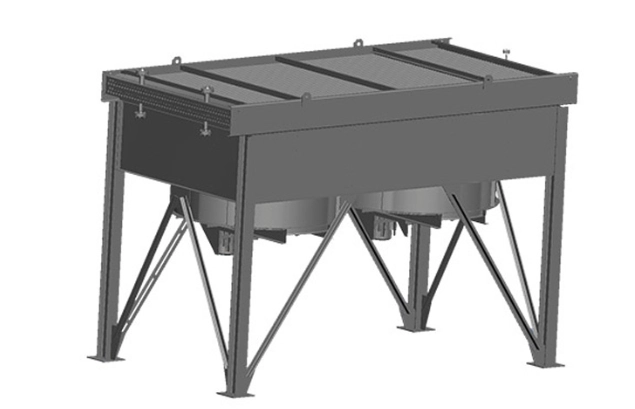
Высокоэффективные плавничатые трубки для максимального рассеивания тепла
Благодаря интеллектуальным формам плавников эти устройства расширяют площадь для теплового сдвига. Вы достигаете сильного охлаждения даже в компактном пространстве, что позволяет лучше использовать пространство вашего растения.
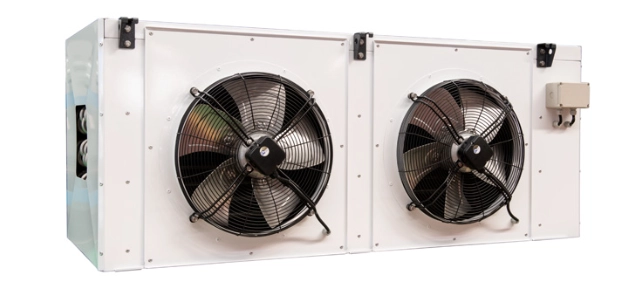
Индивидуальные конструкции воздушного охлаждателя для логистики холодильного хранения
Для крупных логистических объектов, заказ Воздушный охлаждатель гарантирует равномерное распространение тепла. Это имеет решающее значение в механизированных высоких местах хранения, где небольшое тепловое смещение может нанести вред товарам и вызвать большие денежные удары.
Компактные системы теплообмена для специализированных промышленных потребностей
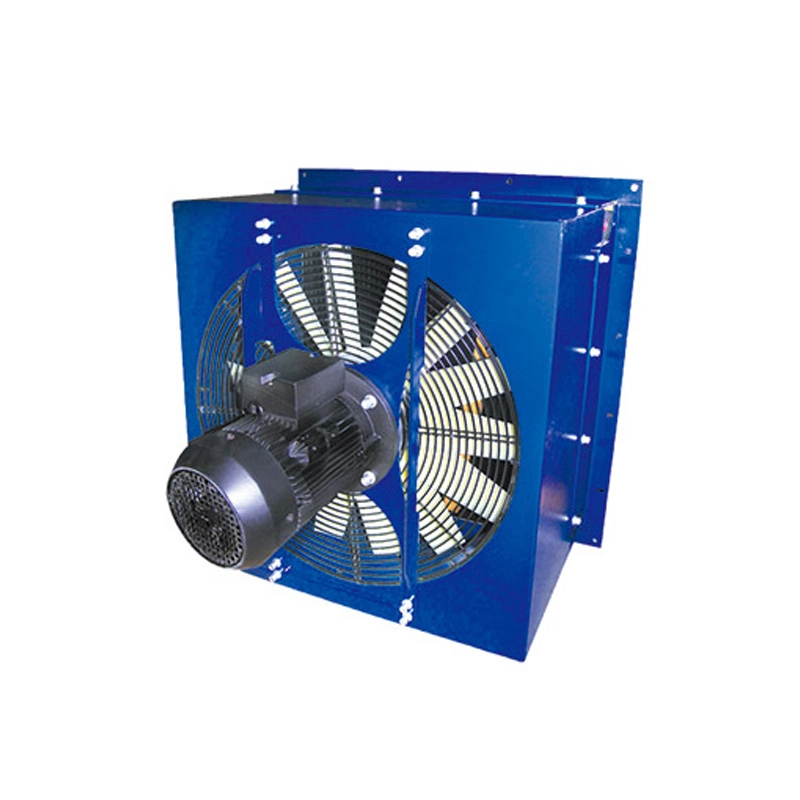
Некоторые заводские задачи, такие как разделение воздуха или замораживание газа, требуют резких тепловых сдвигов в очень ограниченном помещении. Технология тесного обмена несет ответственность за обработку этих интенсивных тепловых нагрузок.
Алюминиевый пластинный теплообменник для криогенных приложений
В Алюминиевый пластинный теплообменник устанавливает эталон плотного теплового потока. Его сварная конструкция позволяет управлять различными потоками одновременно, что является необходимым для связанной с энергетикой и химической работой.
Можность многопоточной интеграции в ограниченных фабричных пространствах
Поскольку эти детали обрабатывают несколько жидкостей в одном блоке, вы можете сбросить несколько автономных обменников. Это упрощает ваши трубы и настройку, сокращая затраты на запуск и постоянные места ухода.
Высокая теплопроводность аэрокосмических алюминиевых материалов
Алюминий обеспечивает тонкий тепловой поток и остается гибким в глубоких точках охлаждения. Поэтому ваша установка остается безопасной и эффективной, даже при минимальных температурах, таких как -161 ° C для замораживания метана.
Стратегии восстановления энергии через интеграцию интеллектуальных систем
Верхний уровень экономии энергии приходит не от одной части, а от общей командной работы системы. Захват неиспользованного тепла и его возвращение в рабочий процесс может превратить ваш завод в эффективный цикл.
Захват отходного тепла для вторичных промышленных процессов
Теплообменники захватывают тепло из выхода компрессора или отходных газов. Затем вы можете применить эту бесплатную энергию к теплой воде котла или поставлять горячую воду для мытья на месте, резко снижая потребности в топливе.
Систематические решения MOON-TECH для снижения углеродного следа
При полном надзоре за электроэнергией заводы могут значительно снизить выброс CO2. Это готовит вашу фирму к более жестким зеленым законам и укрепляет ваш имидж как зеленого производителя.
Мониторинг в реальном времени для профилактического обслуживания потерь энергии
Встроенные умные детекторы в настройке обмена позволяют отслеживать выход в прямом эфире. Заметив раннее загрязнение или падения давления, вы выполняете целенаправленные исправления, прежде чем отходы энергии превращаются в тяжелую нагрузку.
Почему MOON-TECH является вашим главным партнером в технологии теплообмена
Связь с поставщиком, который понимает все вопросы дизайна завода для долговременных побед. Твердый теплообменник лучше всего работает с надлежащим соединением системы и поддержкой.
Десятилетия инженерного совершенства в глобальных проектах EPC
Работа над обширными строительными работами, такими как охлаждение бетона для крупных плотин и ядерных объектов, показывает навыки в деталях и размерах. Этот фон конструкции гарантирует, что даже жесткие заводские потребности встречаются с проверенной стабильностью.
Полный жизненный цикл обслуживания от профессионального консультирования до обслуживания
Краватка начинается с экспертные консультации и планировать настройку, поэтому вы выбираете подходящую технологию для вашей погоды и задач. По передаче’ Запуск, квалифицированная подготовка и обновления поддерживают ваш сайт острым и актуальным.
Доказанный опыт с международными промышленными успехами
Благодаря почти тысяче сборов автоматического хранилища и тысячам установок энергохимических устройств по всему миру эти настройки ’ Надежность проявляется на каждой земле. От нефтяных объектов в Центральной Азии до продовольственных заводов в Юго-Восточной Азии такие ремонты надежно обеспечивают экономию энергии.
Часто задаваемые вопросы
Q1: Как я узнаю, если мой текущий теплообменник тратит энергию?
Общие признаки включают необъяснимое увеличение счетов за энергию, необходимость запуска насосов на более высоких скоростях для поддержания температуры или видимое накопление масштабов на поверхностях обмена. Профессиональный термический аудит может количественно определить точную потерю энергии и рассчитать вашу потенциальную рентабельность инвестиций для модернизации.
Q2: Что делает испарительный конденсатор более эффективным, чем комбинация охлаждающей башни и теплообменника?
Ответ: Испарительный конденсатор объединяет обе функции в один блок. Охлаждая хладагент непосредственно через испарение на поверхности трубки, он устраняет “ температура подхода” потери, обнаруженные в петлях теплообменника/охлаждающей башни, что приводит к снижению давления головки и меньшему потреблению энергии компрессора.
Вопрос 3: Могут ли системы воздушного охлаждения эффективно работать в высокотемпературном тропическом климате?
О: Да. В то время как системы воздушного охлаждения более сложны в жарком климате, использование высокоэффективной плавниковой трубки и переменных частотных приводов позволяет им поддерживать температуру процесса. В некоторых случаях композитный охлаждатель используется для обеспечения дополнительного охлаждения в самые жаркие часы дня.
Q4: Почему алюминий используется для пластиночных плавников вместо нержавеющей стали?
А: Алюминий имеет гораздо более высокую теплопроводность, чем нержавеющая сталь, что означает, что он передает тепло более эффективно. Он также становится более прочным при криогенных температурах, что делает его самым безопасным и эффективным выбором для глубокого охлаждения.