solution

Absorption heat exchange combined heat and power centralized heating technology

Background of Technology Development

Key Challenges Faced by Combined Heat and Power (CHP) Centralized Heating

Insufficient Heat Supply Capacity at the Source

Large-scale CHP units discharge a significant amount of low-grade waste heat that is difficult to utilize. Approximately 30% of the total heat is directly released into the atmosphere through cooling towers (air-cooled islands), leading to severe energy waste.

Limited Heat Transmission Capacity of the Network

The current heating pipeline infrastructure cannot meet growing demands, becoming a critical bottleneck for the development of centralized heating systems. Moreover, the construction of new heat distribution networks requires large capital investment and involves long project cycles.

share

Facebook
LinkedIn
Absorption heat exchange combined heat and power centralized heating technology
banner1
Shandong Xinsheng Industry - Hot Water Waste Heat Refrigeration and Heating Project

Application Overview

The complete absorption-based thermal cycle consists of two core technologies:

Ultra-Wide Temperature Differential Heating Technology (Based on Absorption Cycle)

Waste Heat Recovery Technology (Also Based on Absorption Cycle)

In this system:

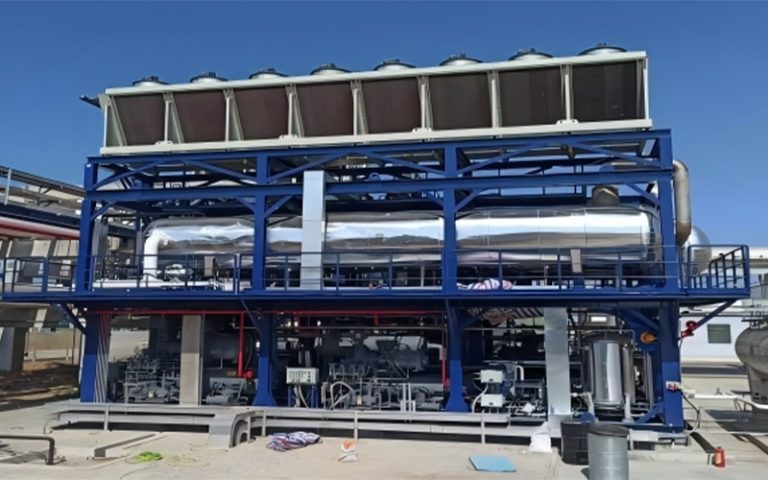
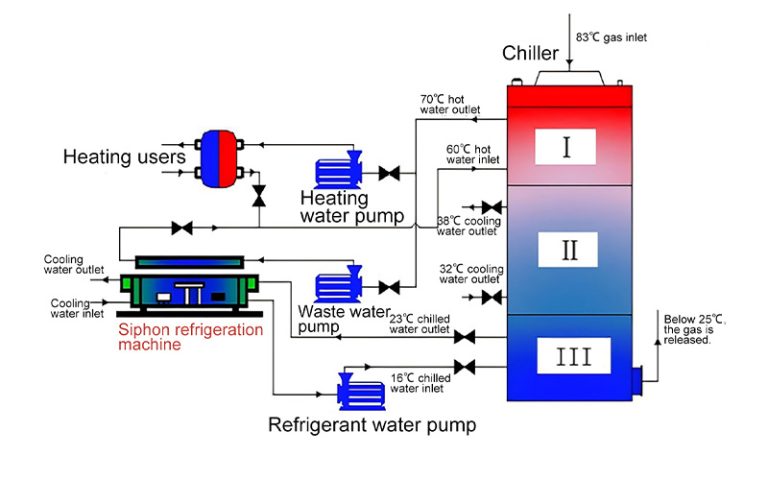
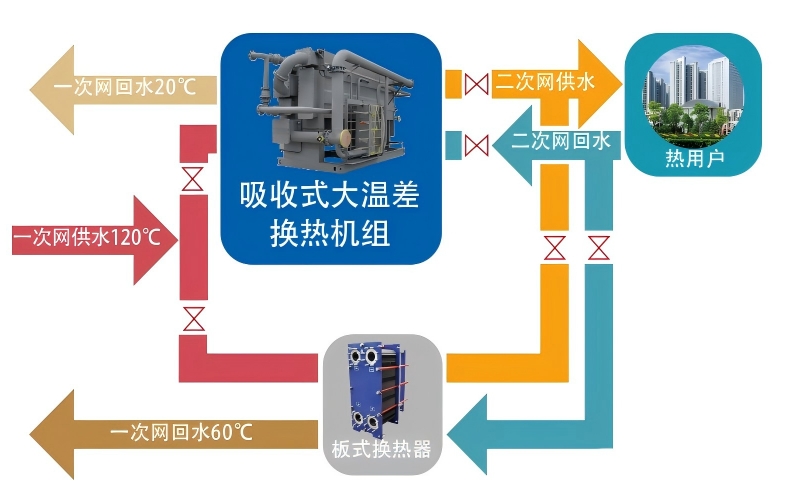
A dedicated absorption-based waste heat recovery unit is installed at the main heating source (CHP plant) to recover latent heat from condensate steam, addressing the issue of insufficient heat supply.

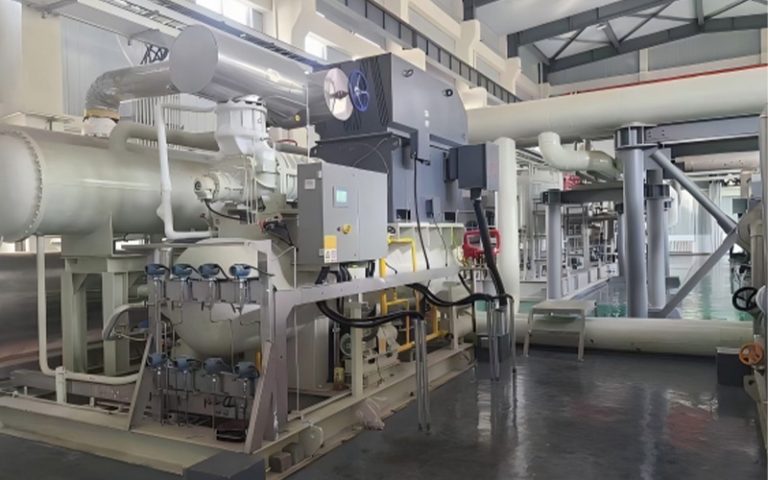
Simultaneously, absorption units are deployed at urban heat exchange stations, replacing conventional plate heat exchangers. These units reduce the return water temperature of the primary heating network, significantly increasing the supply-return temperature differential and thus alleviating transmission bottlenecks in the heat distribution network.

Technical Advantages

Primary network return water temperature reduced to 20°C

30% increase in heat supply capacity of the CHP plant

40% reduction in overall heating energy consumption

80% improvement in transmission capacity of existing heating pipelines

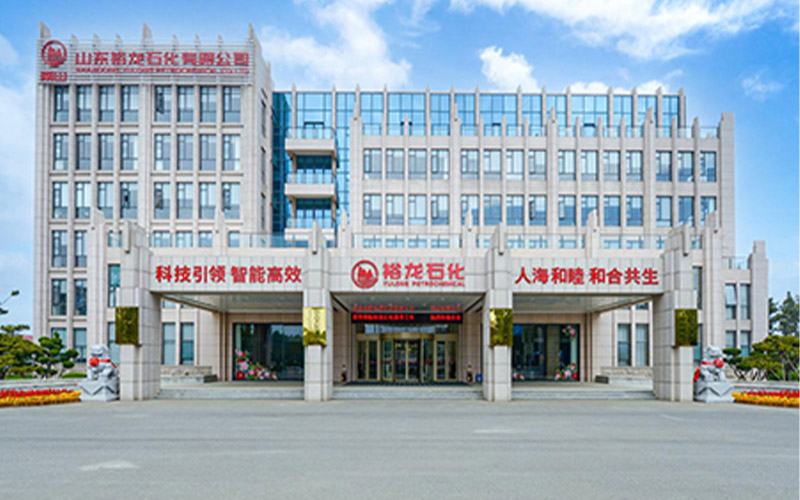
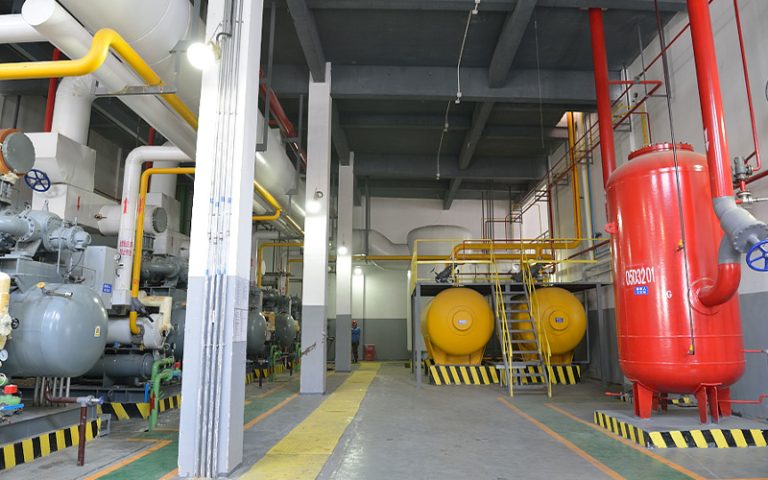
Shandong Yulong Petrochemical - Hot Water Waste Heat Refrigeration and Heating Project

Related Solutions