
قد يبدو اختيار مبادل حراري أمرًا بسيطًا، إلا أن الاختيار الخاطئ قد يزيد من تكاليف الطاقة، ويؤدي إلى عدم استقرار درجة حرارة المخرج، وتقييد التدفق، ويخلق مشاكل تنظيف كبيرة لفريق الصيانة. ولا يقتصر الأمر عادةً على مساحة نقل الحرارة فحسب، بل يجب مراعاة نوع السائل، والضغط، ومقاومة الترسبات، والموقع، والمناخ، وحمل العملية، وسهولة الوصول.
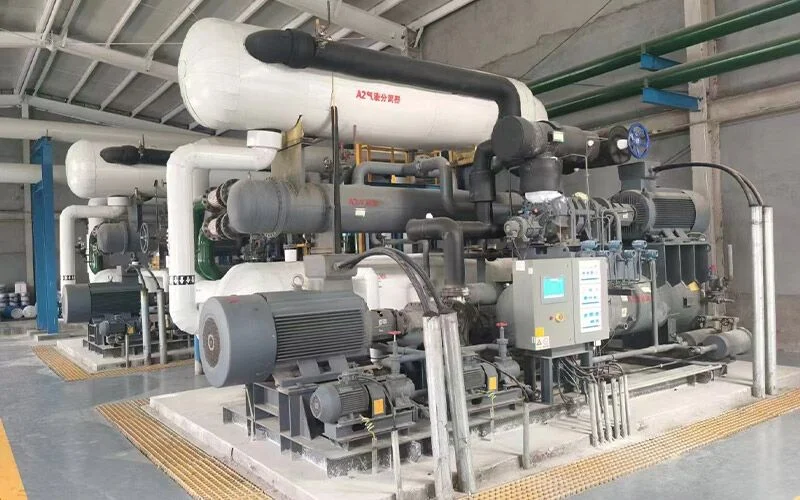
تأسست عام 1956، تقنية القمر تحتفل الشركة بمرور 70 عامًا على تأسيسها في عام 2026. وتختص الشركة بأنظمة التبريد والتدفئة الصناعية، وضغط الغاز، والمبادلات الحرارية، واستعادة الحرارة المهدرة، بالإضافة إلى الأنظمة المتكاملة لمختلف التطبيقات. يرتكز جوهر معداتها وخبراتها على المبادلات الحرارية، إلا أنها تقوم أيضًا بتصميم وتوريد وتشغيل الأنظمة المحيطة بها، مثل وسائط التبريد، والمضخات، والضواغط، وأنظمة التحكم، ومعدات العمليات. ونتيجة لذلك، تتمتع الشركة برؤية شاملة لجميع المكونات المعنية.
بالنسبة للمنشآت التي تتطلب عمليات تبريد وتكثيف مكثفة، التكرير حلول التبريد البتروكيماوية توصيل معدات التبادل الحراري بالماء المبرد، والمحلول الملحي منخفض الحرارة، والتبريد السائل، وتكثيف الغاز، واستعادة الحرارة.
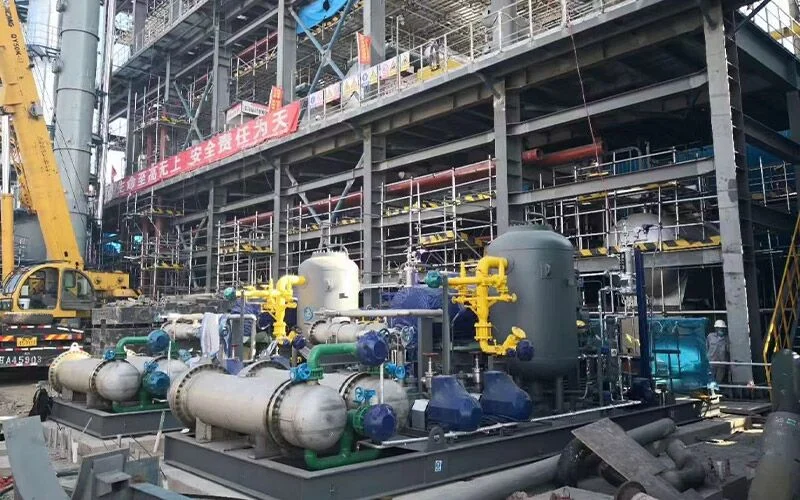
كيف تدعم المبادلات الحرارية التبريد الصناعي واستعادة الحرارة؟
تقوم المبادلات الحرارية بنقل الطاقة الحرارية من وسط ذي درجة حرارة أعلى إلى وسط ذي درجة حرارة أقل. في معظم التطبيقات الصناعية، تبقى جميع السوائل المختلفة منفصلة داخل المبادل الحراري. وهذا يعني أنه بالإضافة إلى تبريد غاز العملية، يمكن تكثيف البخار، أو تسخين تيار آخر، أو حتى استعادة الحرارة من مصدر آخر.
انتقال الحرارة بين تيارات العمليات المنفصلة
في المبادل الحراري غير المباشر، تنتقل السوائل الساخنة والباردة عبر ممرات منفصلة. ويشكل جدار الأنبوب أو الصفيحة المعدنية الحد الفاصل بينهما.
تنتقل الحرارة أولاً من السائل الساخن إلى سطح المعدن، ثم تخترق المعدن، قبل أن تدخل السائل البارد. ومع ذلك، فإن أهم جزء في التصميم هو الهندسة التي تختار السطح المناسب، ومسار التدفق، والمادة، والسرعة، وطريقة التنظيف.
التحكم في درجة الحرارة للعمليات المستمرة
قد يصبح خط الإنتاج الذي يعمل بشكل جيد عند درجة حرارة 35 درجة مئوية غير مستقر عند درجة حرارة 40 درجة مئوية. يكفي فرق 5 درجات مئوية فقط لإحداث مشاكل في التكثيف، أو التحكم في التفاعل، أو معالجة الغاز، أو خطوة الفصل اللاحقة.
يحافظ المبادل الحراري ذو الحجم المناسب على درجة حرارة المخرج قريبة من نقطة التصميم دون التسبب في انخفاض مفرط في الضغط. كما يحتاج إلى هامش أمان للأسطح المتسخة والتغيرات الموسمية في الأحمال. ولا تكفي بيانات الأحمال المذكورة في الكتالوج وحدها لتوضيح الصورة كاملة.
التبريد والتكثيف واستعادة الطاقة
إن المبادلات الحرارية الصناعية ليست مجرد مبردات. بل يمكن استخدامها أيضاً لتكثيف الغازات، وامتصاص الحرارة من مخرج الضاغط، وتبريد زيت التشحيم، وتبخير مادة التبريد، وتسخين تيار العملية المراد استخدامه كمدخل، واستعادة الحرارة التي كانت ستتبدد لولا ذلك عن طريق مياه التبريد أو العادم.
مون-تك الأوسع مجموعة حلول صناعية يتعامل مع التبريد والتدفئة والضغط واستعادة الحرارة كواجبات مترابطة بدلاً من كونها عمليات شراء معدات منفصلة.
ستة أنواع رئيسية من المبادلات الحرارية
لا يوجد تصميم واحد يناسب جميع السوائل. فالماء النظيف، والزيت الكثيف، والسوائل المسببة للتآكل، والغاز عالي الضغط، ومادة التبريد المكثفة، تتصرف بشكل مختلف تمامًا. تغطي الأنواع الستة المذكورة أدناه العديد من الاستخدامات الصناعية الشائعة، مع العلم أن كل نوع منها يتطلب فحصًا خاصًا بكل مشروع.
المبادلات الحرارية الأنبوبية والصفائحية
يُمرر مبادل حراري من نوع الأنبوب والغطاء سائلاً عبر مجموعة أنابيب، بينما يتدفق سائل آخر حول الأنابيب داخل غلاف. ويتحمل هذا النوع من المبادل ظروف الضغط ودرجة الحرارة العالية بكفاءة. كما أن الأغطية أو مجموعات الأنابيب القابلة للإزالة تُسهّل عملية التنظيف الميكانيكي.
يستخدم المبادل الحراري ذو الألواح ألواحًا رقيقة مموجة لإنشاء قنوات تدفق متناوبة. يوفر هذا النوع من المبادلات نقلًا حراريًا قويًا في مساحة صغيرة، مما يجعله مناسبًا لحلقات السوائل النظيفة والأماكن ذات المساحة الأرضية المحدودة. مع ذلك، تتطلب الممرات الضيقة عناية خاصة عند احتواء الوسط على مواد صلبة أو رواسب لزجة.
مبادلات حرارية مبردة بالهواء ومبادلات حرارية تبخيرية
يقوم مبادل حراري مُبرّد بالهواء بتحريك سائل ساخن عبر أنابيب مزودة بزعانف، بينما تقوم مراوح بدفع أو سحب الهواء المحيط عبرها. ويقلل هذا النظام من الحاجة إلى مياه التبريد، إلا أن أداءه في فصل الصيف يعتمد على درجة حرارة الهواء المحلية.
تجمع وحدة التبخير بين ملف نقل الحرارة وتدفق الهواء ورذاذ الماء. يتبخر جزء صغير من الماء حاملاً معه الحرارة. توفر هذه الطريقة درجات حرارة تكثيف أقل من الهواء الجاف وحده، ولكن يجب مراعاة جودة الماء، والترسبات، وتوزيع الرذاذ، والتشغيل في فصل الشتاء.
مبردات الهواء ذات الزعانف المسطحة والمركبة
يُوضع الزعانف بين صفائح مسطحة في مبادل حراري ذي زعانف، مما يُنشئ مساحة سطح كبيرة داخل جسم صغير. وهو مفيد بشكل خاص عندما يتعين على عدة تيارات غازية أو سائلة تبادل الحرارة في وحدة واحدة مدمجة.
يجمع مبرد الهواء المركب بين التبريد الجاف والتبريد الرطب. خلال الطقس البارد، يعمل بشكل أساسي في وضع التبريد الجاف. ويمكن للتبريد الرطب أن يزيد من كفاءته عند ارتفاع درجة الحرارة المحيطة. يناسب هذا النهج المختلط المواقع التي تحتاج إلى التحكم في استهلاك المياه ولكنها لا تستطيع تحمل ضعف التبريد خلال ذروة فصل الصيف.
الصناعات الرئيسية وتطبيقات العمليات
تختلف تطبيقات المبادلات الحرارية من صناعة إلى أخرى. قد تبدو الأجهزة متشابهة، لكن مخاطر التشغيل تختلف. لا ينبغي أبدًا التعامل مع مبرد المياه النظيفة ومبرد غازات العمليات عالي الضغط على أنهما نفس المنتج.
عمليات التكرير والبتروكيماويات
تستخدم مصانع التكرير والبتروكيماويات مبادلات حرارية لتبريد العمليات، وتكثيف البخار، وتبريد المراحل البينية للضاغط، وتبريد الزيت، والتقطير، وتبريد المياه، وتبريد المحلول الملحي، واستعادة الحرارة.
لشركة MOON-TECH نطاق التبريد واستعادة الحرارة للعملية الكاملة يشمل هذا النظام أنظمة المياه المبردة، وأنظمة المحاليل الملحية منخفضة الحرارة، والتبريد السائل، وتكثيف الغاز. يدعم النظام درجات حرارة تشغيل تتراوح من 0 درجة مئوية إلى حوالي -80 درجة مئوية، بينما تغطي قدرته على تبادل الحرارة الصناعية وتصنيع أوعية الضغط ضغوط تصميم تصل إلى 10 ميجا باسكال. يمكن اختيار المواد المستخدمة، بما في ذلك الفولاذ الكربوني، والفولاذ المقاوم للصدأ، وسبائك النحاس، أو سبائك التيتانيوم، حسب متطلبات التشغيل.
المعالجة الكيميائية وضغط الغاز
يتطلب الإنتاج الكيميائي درجة حرارة ثابتة أثناء التفاعلات والفصل والتبلور ومعالجة الغاز. ويضيف ضغط الغاز مشكلة أخرى: إذ ترتفع درجة الحرارة مع ازدياد الضغط.
تعمل المبردات البينية واللاحقة على إزالة الحرارة قبل وصول الغاز إلى مرحلة الضاغط التالية أو إلى عملية المعالجة اللاحقة. قد يؤدي ضعف أداء المبرد إلى رفع درجة حرارة التفريغ واضطراب خط الأنابيب. لذا، يجب مناقشة المبادل الحراري والضاغط والفاصل وشبكة الأنابيب ونظام التحكم معًا.
الطاقة، وعلم المعادن، وتبريد مراكز البيانات
تستخدم محطات الطاقة مبادلات حرارية للتكثيف، وتبريد التشحيم، وتدوير المياه، واستعادة الحرارة المهدرة. وتستخدمها مصانع المعادن في أنظمة الأفران، والمحطات الهيدروليكية، وخطوط الدرفلة، وتبريد المعدات.
تحتاج مراكز البيانات إلى نظام تبريد مستقر خلال ساعات التشغيل الطويلة. وتؤثر عوامل مثل إمدادات المياه، ودرجة حرارة الهواء، وأنظمة التكرار، والضوضاء، ونمو الأحمال المستقبلية على تصميم النظام. وغالبًا ما يكون استخدام مبادل حراري أكبر قليلًا مع سهولة الوصول إليه للصيانة خيارًا أفضل من استخدام أصغر وحدة ممكنة.
نشرت شركة مون-تك خبرة في المشاريع يغطي هذا المجال تطبيقات الطاقة، والمواد الكيميائية، والتبريد الصناعي، وضغط الغاز، واستعادة الحرارة بالتكثيف، واستعادة الحرارة المهدرة الصناعية.
معايير اختيار المبادلات الحرارية الصناعية
يبدأ عرض الأسعار الجيد ببيانات تشغيلية قابلة للاستخدام. لا يكفي ذكر "مبادل حراري لمياه التبريد". يحتاج الموردون إلى معرفة ما يتدفق عبر الوحدة، ومدى اتساخها، وكمية الحرارة التي يجب نقلها، وما يمكن للمصنع استيعابه أثناء التنظيف.
خصائص السوائل ومخاطر التلوث
ابدأ بتحليل تركيبة السائل، وكثافته، ولزوجته، ومحتواه من المواد الصلبة، ومحتواه من الزيت، والمركبات المسببة للتآكل، وخطر التجمد. يؤدي التلوث إلى تغيير الأداء الحراري بمرور الوقت، وقد يزيد من انخفاض الضغط.
يُعدّ تصميم الألواح المدمجة مناسبًا للوسائط النظيفة. أما في حالة الوسائط المتسخة، فقد يتطلب الأمر ممرات أو أنابيب أوسع يمكن تنظيفها بالفرشاة أو شطفها أو فحصها. بصراحة، هذه أسئلة مملة، لكنها تمنع أيضًا حدوث أخطاء مكلفة.
درجة الحرارة والضغط وحمل الحرارة
يجب توفير معلومات عن معدل التدفق الطبيعي والأقصى، ودرجات حرارة المدخل والمخرج المستهدفة، وضغط التشغيل، وضغط التصميم، وانخفاض الضغط المسموح به. كما يجب تضمين ظروف بدء التشغيل والظروف الموسمية.
قد يؤدي اختيار وحدة بناءً على ذروة الحمل الحراري فقط إلى اختيار وحدة كبيرة الحجم ذات أداء ضعيف عند الأحمال المنخفضة. كما أن اختيارها بناءً على متوسط الحمل الحراري قد يُعرّض المصنع لنقص في الطاقة الإنتاجية خلال فصل الصيف أو فترات ذروة الإنتاج. كلا طرفي نطاق الاختيار مهمان.
توافر المياه، ومساحة التركيب، وسهولة الوصول للصيانة
قد تُفضّل المواقع التي تعاني من ندرة المياه التبريد الهوائي. أما المناخات الحارة فقد تتطلب مُبرّدًا جافًا أكبر أو نظام تبريد رطب. غالبًا ما تحتوي المحطات القائمة على مسارات رفع ضيقة، ورفوف أنابيب مزدحمة، ومساحة محدودة لإزالة الأنابيب.
A استشارة شاملة يمكن مراجعة التخطيط، وتصميم العمليات، وتخطيط المعدات، والتركيب، وإدارة دورة الحياة قبل تثبيت المبادل الحراري على الرسم. من الأسهل بكثير تغيير الترتيب حينها مقارنةً بما بعد اكتمال شبكة الأنابيب في الموقع.
أنظمة التكرير والتبريد البتروكيماوية المتكاملة
لا يعمل المبادل الحراري بمعزل عن غيره. يعتمد أداؤه على درجة الحرارة ومعدل التدفق الذي يوفره نظام التبريد، بينما تستجيب المضخات والضواغط لانخفاض الضغط الناتج عنه. قد يوفر شراء كل جزء على حدة الوقت في البداية، ولكنه سيؤدي لاحقًا إلى حلول وسط غير عملية.
حلقات الماء المبرد والمحلول الملحي منخفض الحرارة
تُستخدم أنظمة المياه المبردة في درجات حرارة تشغيل معتدلة. وتعمل حلقات المحلول الملحي منخفضة الحرارة على تمديد التبريد إلى التطبيقات ذات درجات الحرارة المنخفضة مع الحفاظ على فصل سائل العملية عن دائرة التبريد.
إن التكرير حلول التبريد البتروكيماوية تغطي هذه الأنظمة نطاقًا واسعًا من التبريد ودرجات الحرارة للمنشآت الكيميائية. ولا تقتصر الفائدة الرئيسية على انخفاض درجة الحرارة فحسب، بل تتعداها إلى تحقيق التوافق بين المبادل الحراري ووحدة التبريد والوسط المتداول ونطاق التحكم وحمل العملية كوحدة واحدة متكاملة.
تبريد السوائل الصناعية وتكثيف الغاز
يجب أن تراعي المبردات السائلة اللزوجة والتآكل والترسبات وتغير درجة الحرارة. أما مكثفات الغاز فتتطلب عناية فائقة بالضغط وتغير الطور والغاز غير القابل للتكثيف والتصريف.
يُعدّ استعادة البخار من خزانات التخزين مثالاً عملياً. إذ يُمكن ضغط الغاز وتبريده وتكثيفه وإعادته بدلاً من السماح له برفع ضغط الخزان. في هذا النوع من الأنظمة، يُمثّل المُبادل جزءاً من مسار كامل للضغط ودرجة الحرارة.
استعادة الحرارة وأنظمة التحكم على مستوى النظام
قد يُستفاد من الحرارة المُزالة من قسمٍ ما في قسمٍ آخر. وقد استعاد مشروعٌ لتحديث وتكرير المواد الكيميائية، لم يُكشف عن اسمه، حرارة البخار العلوي وأعاد طاقةً عالية الجودة إلى مُسخّن إعادة الغليان. ووفر النظام 23.4 ميغاواط من التبريد و27.4 ميغاواط من التدفئة. وتجاوزت الوفورات المُعلنة 40 مليون يوان صيني سنويًا، مع خفض سنوي لانبعاثات الكربون بمقدار 79,530 طنًا. وقد تحققت هذه النتيجة بفضل النظام الحراري المتكامل، وليس بفضل مُبادل حراري واحد فقط.
قم ببناء نظام تبريد موثوق به مع MOON-TECH
ينبغي أن يبدأ أي مشروع بتحديد ظروف التشغيل، وليس باختيار نموذج مفضل. يجب توضيح نوع الوسط، ومعدل التدفق، ودرجات الحرارة، والضغط، وحمل الحرارة، والمناخ المحلي، وحدود التركيب، وخطة الصيانة. تُمكّن هذه التفاصيل المورّد من التوصية بمعدات مناسبة للعملية بدلاً من إجبار العملية على التكيف مع المعدات.
استشارة فنية شاملة
بإمكان شركة MOON-TECH أن تتولى المشروع من المناقشات الفنية الأولية مروراً بالتخطيط والتصميم الهندسي وتوريد المعدات والتركيب والتشغيل، وصولاً إلى مراجعة النظام لاحقاً.
تُعدّ هذه العملية مفيدة لتحديث المصانع، إذ غالباً ما يتطلب الأمر ربط المعدات الجديدة بشبكات الأنابيب والمضخات والهياكل وأنظمة التحكم القديمة. فالحل الأمثل نظرياً ليس بالضرورة الأسهل تطبيقاً.
تكامل المعدات في سلسلة الصناعة بأكملها
خلال دعم سلسلة الصناعة بأكملهايمكن مطابقة معدات التبادل الحراري مع الضواغط ووحدات التبريد وأوعية الضغط وأجهزة التحكم ومعدات العمليات ذات الصلة.
يُعدّ هذا التكامل أمراً بالغ الأهمية في الإنتاج المستمر. إذ يمكن لأي اختلاف طفيف في التدفق أو الضغط أن ينتقل عبر النظام بأكمله. وعادةً ما يعني التنسيق الأفضل في مرحلة التصميم تقليل الحاجة إلى التصحيحات أثناء التشغيل.
خدمة دورة حياة المنتج ودعم المشاريع المباشر
يُعدّ الأداء بعد بدء التشغيل بنفس أهمية التصميم الأصلي. فالتنظيف، وقطع الغيار، ومراجعة بيانات التشغيل، وتدريب الموظفين، وترقيات النظام، كلها تؤثر على تكلفة دورة حياة المنتج.
تقدم شركة مون-تك دعم خدمة دورة حياة المنتج للاستشارات الفنية، والتشغيل، والصيانة، والتشخيص، والتحديثات. يمكنك أيضًا اتصل بالفريق التقني مع مراعاة ظروف العمل الخاصة بك عندما تتطلب مهمة جديدة للتبريد أو التكثيف أو استعادة الحرارة مراجعة.
أسئلة متكررة
س1: ما هي أكثر أنواع المبادلات الحرارية الصناعية شيوعاً؟
ج1: تشمل الأنواع الشائعة المبردات الأنبوبية، والمبردات ذات الألواح، والمبردات الهوائية، والمبردات التبخيرية، والمبردات ذات الزعانف، والمبردات الهوائية المركبة. يعتمد الاختيار الأمثل على نوع السائل، وحمل الحرارة، والضغط، ودرجة الحرارة، ومخاطر التلوث، ومصدر المياه، والمساحة المتاحة.
س2: ما هو أفضل مبادل حراري لمصانع التكرير والبتروكيماويات؟
A2: تُناسب وحدات الأنابيب والغطاء العديد من التطبيقات التي تتطلب ضغطًا ودرجة حرارة عاليتين، بالإضافة إلى التعامل مع السوائل الملوثة، بينما قد تُناسب التصاميم المبردة بالهواء، أو ذات الزعانف الصفيحية، أو التبخيرية، أو المركبة احتياجات تبريد وتكثيف محددة. تختار شركة MOON-TECH المعدات بناءً على متطلبات العملية الكاملة، وليس على نوع واحد فقط.
س3: ما هي البيانات المطلوبة قبل طلب عرض أسعار لمبادل حراري؟
ج3: يجب عليك تقديم معلومات عن تركيبة السائل، ومعدل التدفق، ودرجات حرارة المدخل والمخرج، وضغوط التشغيل والتصميم، والحمل الحراري، وانخفاض الضغط المسموح به، ومخاطر التلوث والتآكل، والمناخ المحلي، وحدود التركيب، ومتطلبات التنظيف.
س4: هل يمكن للمبادل الحراري أن يقلل من تكاليف الطاقة في المصنع؟
ج٤: نعم. يمكن لتحسين نقل الحرارة أن يقلل من العمل غير الضروري للضاغط والمضخة والمروحة. كما يمكن استعادة الحرارة من خلال إعادة استخدام الطاقة من تيار ساخن لتسخين العمليات، مما يقلل من الحاجة إلى التبريد والتدفئة بشكل منفصل.
س5: لماذا نختار حل تبريد متكامل بدلاً من مبادل حراري واحد؟
A5: يوفر حل متكامل ربطًا بين المبادل الحراري ووحدات التبريد والضواغط والمضخات وأجهزة التحكم والتركيب والصيانة المستقبلية. يساعد نهج MOON-TECH المتكامل كل جزء على العمل عند درجة الحرارة والضغط والحمل المطلوبين بدلاً من العمل كآلة معزولة.