
لا يقتصر توفير الطاقة في معالجة الدواجن على شراء آلة ذات استهلاك منخفض للطاقة فحسب، بل تظهر التكلفة الحقيقية غالبًا بعد الذبح، عندما تمر الدجاجات الدافئة بمراحل الغسيل والتبريد المسبق والفرز والتعبئة والتجميد والتخزين. إذا كان قسم التبريد المسبق بطيئًا أو غير مستقر، فإن غرفة التجميد ستعمل بجهد أكبر، ويصبح التحكم في جودة المنتج أكثر صعوبة، وتستمر فواتير المياه والكهرباء في الارتفاع تدريجيًا. حلول التبريد المسبق لمنتجات الدواجن يجب أن يكون النظام في عام 2026 أسرع في التبريد، ويحافظ على استقرار درجة حرارة الماء، ويقلل من استخدام الثلج، ويستعيد الحرارة المفيدة حيثما أمكن، ويتناسب مع سعة خطك الحقيقية بدلاً من أن يبدو جيدًا على الورق فقط.
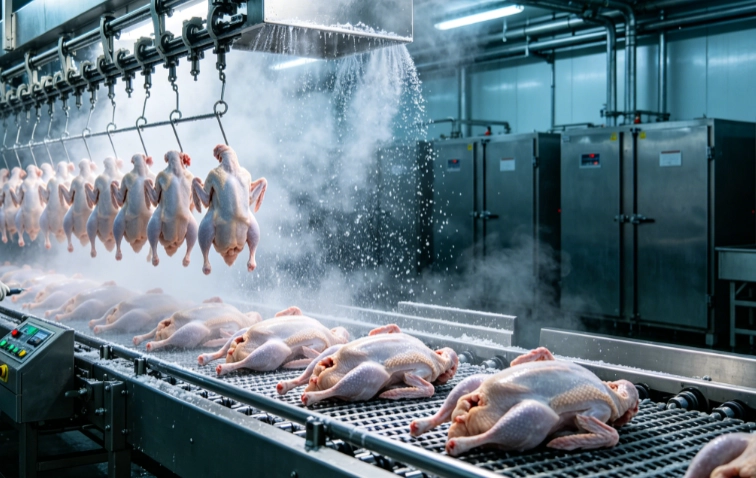
لماذا يؤثر التبريد المسبق للدواجن على فاتورة الطاقة الفعلية؟
في خطوط إنتاج الدواجن، تأتي مرحلة التبريد المسبق بعد الذبح، وتصفية الدم، والسلق، وإزالة الريش، والغسل، والتنظيف، وإعادة التعليق. قد تبدو خطوة واحدة، لكنها تؤثر على جميع الخطوات اللاحقة تقريبًا. فإذا لم تنخفض درجة حرارة جسم الدجاج بالسرعة الكافية، ستواجه أقسام التجميد والتخزين البارد اللاحقة حملاً حراريًا إضافيًا.
يؤدي خفض درجة الحرارة السريع إلى تقليل الضغط اللاحق
بعد ذبح الدجاج اللاحم، يجب خفض درجة حرارة جسمه إلى 4 درجات مئوية أو أقل في أسرع وقت ممكن. وفي العديد من المصانع الحديثة، يكون الشرط أكثر صرامة، حيث يطلب بعض المشترين ألا تتجاوز درجة الحرارة درجتين مئويتين قبل المرحلة التالية.
هذا الرقم الصغير مهم. فارتفاع بضع درجات قد يعني:
- وقت تجميد أطول
- ساعات تشغيل ضاغط أعلى
- درجة حرارة مركز المنتج غير مستقرة بشكل أكبر
- التحكم في النضارة أكثر صعوبة
- تزايد الضغط على التخزين البارد
لهذا السبب حلول التبريد المسبق لمنتجات الدواجن لا ينبغي التعامل معها كمجرد خزان مياه أو خطوة لإضافة الثلج. إنها أول بوابة طاقة رئيسية في سلسلة التبريد الكاملة للدواجن.
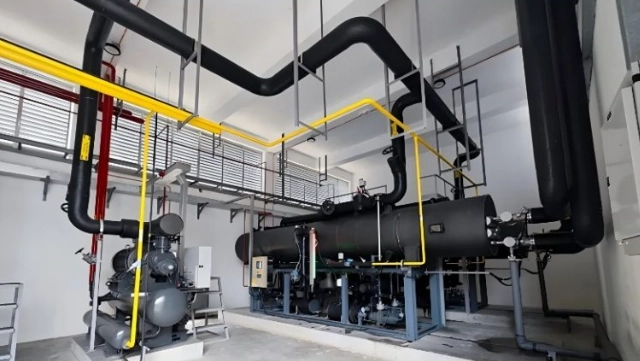
التبريد المستقر يتفوق على إضافة المزيد من الثلج
لا تزال العديد من خطوط الإنتاج التقليدية تستخدم طريقة "الثلج المجروش مع الماء البارد". قد تكون هذه الطريقة فعّالة، لكنها تستهلك الكثير من الطاقة وتتطلب تعديلاً يدوياً مستمراً. وعندما يتغير حجم الإنتاج خلال اليوم، قد يتذبذب تأثير التبريد أيضاً.
يُمكن لنظام التبريد المسبق بالماء الأحمر الأكثر كفاءة أن يُقلل استهلاك الطاقة بنسبة تتراوح بين 25% و35% مقارنةً بالطريقة التقليدية. بالنسبة لمصنع يعمل بنظام ورديتين، يُعد هذا توفيرًا كبيرًا، إذ يُمكنه أن يُؤثر بشكل مباشر على تكلفة التشغيل الشهرية.
ظروف المياه الملوثة تتطلب تصميمًا عمليًا
مياه التبريد المسبق للدواجن ليست مياه مختبرية. فقد تحتوي على دهون وبروتينات وبقايا أنسجة صغيرة وشوائب أخرى. وقد يفقد النظام الذي يبدو فعالاً في المياه النظيفة كفاءته بسرعة في الإنتاج الفعلي.
لذا، فإن تصميم الأنابيب، وهيكلها المقاوم للتجمد، وسهولة تنظيفها، وتدفق المياه السلس، ليست تفاصيل ثانوية. فهي تحدد ما إذا كان النظام سيحافظ على تبادل حراري مستقر بعد أشهر من الاستخدام. في المصانع ذات الحركة الكثيفة، قد يكون سهولة الصيانة أهم من مجرد رقم كتالوج مثالي المظهر.
تفاصيل المعدات التي توفر الطاقة كل يوم
يتحقق توفير الطاقة من خلال العديد من خيارات التصميم الصغيرة التي تعمل معًا. قد ينظر المشتري أولاً إلى قوة الضاغط، ولكن المضخات وتدفق المياه وبنية المبادل الحراري والتحكم في درجة حرارة المخرج وسهولة التنظيف تحدد أيضًا التكلفة النهائية.
يُحسّن التبخر الناتج عن طبقة رقيقة من الماء عملية التبادل الحراري
تستخدم مبردات المياه الحمراء المصممة لتبريد الدواجن مسبقًا عادةً مبخرًا عالي الكفاءة يعمل بتقنية الأغشية الرقيقة المتساقطة، مع تزويد السائل بواسطة مضخة. يزيد هذا التصميم من كفاءة التبادل الحراري ويساعد على تقليل الطاقة اللازمة للحصول على نفس مستوى التبريد.
المنطق بسيط. فتبادل الحرارة الأفضل يعني أن النظام لا يحتاج إلى بذل جهد كبير لإزالة نفس كمية الحرارة من الماء. والنتيجة هي استهلاك أقل للطاقة وعملية تبريد أكثر استقرارًا.
إعادة تدوير مياه التبريد يقلل التكاليف الخفية
يجب ألا يهدر نظام التبريد المسبق الجيد للدواجن مياه التبريد بشكل عشوائي. يمكن لمياه التبريد المعاد تدويرها أن تقلل من تكاليف التشغيل، لا سيما في المناطق التي تكون فيها رسوم المياه أو رسوم معالجة مياه الصرف الصحي أو حدود استخدام المياه في المصانع صارمة.
بالنسبة لمشتري الشركات، يسهل تجاهل تكلفة المياه خلال المقارنة الأولية للمعدات. ولكن بعد التركيب، يصبح استهلاك المياه، وتكرار التنظيف، وحجم مياه الصرف الصحي أمورًا يومية. وتظهر هذه الأرقام شهريًا، وليس فقط عند شراء المعدات.
التحكم الدقيق يحافظ على استقرار مياه المخرج
يُعدّ التحكم في درجة الحرارة تفصيلاً أساسياً آخر. إذ يُمكن لجهاز ربط درجة الحرارة وإمداد السائل أن يُساعد في الحفاظ على استقرار درجة حرارة الماء الخارج عند حوالي 0.25 درجة مئوية. ويُساعد هذا النوع من التحكم المُستقر في تجنّب التقلبات الكبيرة في درجة حرارة الماء خلال فترات ذروة الإنتاج.
يمكن لمستشعر فرق الضغط أيضًا مراقبة الحالات غير الطبيعية مثل انسداد الجليد. قد يبدو هذا إجراءً وقائيًا بسيطًا، ولكنه في الواقع العملي يساعد على منع توقف الإنتاج، والتنظيف الطارئ، وانقطاع تدفق المنتج. لا أحد يرغب في إيقاف خط الذبح بسبب تراكم الجليد الذي يمكن تجنبه.
كيف يمكن للتبريد الطبيعي واستعادة الحرارة أن يقللا من التكلفة الإجمالية للمصنع
لا ينبغي تخطيط نظام التبريد المسبق للدواجن بمعزل عن غيره. بل يجب أن يتناسب مع متطلبات التجميد السريع، والتخزين البارد، واستهلاك الماء الساخن، واحتياجات التنظيف، وجدول الإنتاج اليومي. وهنا تكمن أهمية النظام المتكامل. حلول التبريد المسبق لمنتجات الدواجن تصبح الخطة أكثر قيمة من شراء الآلات المنفصلة واحدة تلو الأخرى.
أنظمة ثاني أكسيد الكربون تدعم معالجة الدواجن في درجات حرارة منخفضة
تُستخدم تقنية التبريد بثاني أكسيد الكربون على نطاق واسع في تجميد الأغذية، والتخزين البارد، وذبح اللحوم، ومعالجة الأحياء المائية، والأطعمة الجاهزة، ومعالجة الفواكه والخضراوات، وسلسلة التبريد اللوجستية. أما بالنسبة لمصانع الدواجن، فإن ثاني أكسيد الكربون مناسب بشكل خاص للأقسام ذات درجات الحرارة المنخفضة مثل غرف التجميد الفردية، وغرف التجميد السريع، والتخزين البارد.
بالنسبة لدرجات حرارة التبخر التي تتراوح بين -52 درجة مئوية و0 درجة مئوية، يُعتبر نظام الأمونيا/ثاني أكسيد الكربون خيارًا قويًا طويل الأمد. يتميز ثاني أكسيد الكربون بنقل حراري جيد وخصائص سيولة ممتازة عند درجات الحرارة المنخفضة. كما أنه غير قابل للاشتعال ومناسب لاحتياجات التبريد المتعلقة بالأغذية عند تصميم النظام بشكل صحيح.
يمكن أن تصبح حرارة التكثيف ماءً ساخناً مفيداً
لا يقتصر توفير الطاقة على تقليل استهلاكها فحسب، بل يشمل أيضاً إعادة استخدام الطاقة التي كانت تُهدر. ففي نظام اقتران التبريد والتدفئة، يمكن استعادة حرارة التكثيف من نظام التبريد دون التأثير على عملية التبريد العادية.
يمكن لأنظمة استعادة الحرارة البسيطة توفير مياه ساخنة بدرجة حرارة منخفضة تتراوح بين 30 و60 درجة مئوية لتنظيف الأرضيات وغسل اليدين والاستحمام. وباستخدام مضخة حرارية عالية الحرارة، يمكن أيضاً استخدام الحرارة المستعادة لتوفير مياه ساخنة بدرجة حرارة تتراوح بين 60 و90 درجة مئوية لتلبية احتياجات تسخين المياه في العمليات الصناعية أو المصانع.
في إحدى حالات استعادة الحرارة في صناعة الأغذية، استُبدل البخار المُشترى بمضخة حرارية ثنائية المراحل لتسخين المصنع. عمل النظام بشكل متواصل لمدة أربع سنوات، واستعاد 96,768 جيجا جول من حرارة نفايات المكثفات، وخفّض استهلاك المياه بمقدار 22,000 طن، وقلّل انبعاثات ثاني أكسيد الكربون بمقدار 12,500 طن، وحقق فوائد اقتصادية تُقدّر بنحو 10 ملايين يوان صيني. تختلف الأرقام باختلاف المصنع، لكن الاتجاه واضح.
التحكم الذكي يجعل استخدام الطاقة أقل عشوائية
لا تعمل عمليات معالجة الدواجن الحديثة بحمل ثابت طوال اليوم، فقد تشهد فترات ذروة صباحية، وفترات تنظيف، وتغييرات في المنتجات، وتغيرات موسمية. ويمكن لنظام تحكم يقرأ خطط الإنتاج، وسجل التشغيل، ودرجة الحرارة، والرطوبة أن يساعد في إنشاء منحنى طلب تبريد أكثر دقة.
هذا يعني أن نظام التبريد لا يحتاج إلى العمل بكامل طاقته تحسباً لأي طارئ، بل يمكنه متابعة حمل التبريد الفعلي بدقة أكبر. وهنا يصبح توفير الطاقة مسألة نظامية، وليس مجرد شعار على الجهاز.
ما الذي يجب عليك فحصه قبل شراء نظام تبريد مسبق للدواجن في عام 2026
لا يوجد نظام واحد مثالي يناسب جميع مصانع معالجة الدواجن. فالمصنع الذي يعالج الدواجن الكاملة المبردة له احتياجات مختلفة عن المصنع الذي يرسل المنتجات بسرعة إلى غرف التجميد. يجب اختيار النظام وفقًا لنوع المنتج، والطاقة الإنتاجية، وتصميم المصنع، ومتطلبات النظافة، وعادات الصيانة اللاحقة.
قم بمطابقة النظام مع تدفق الإنتاج الفعلي
قبل الاختيار حلول التبريد المسبق لمنتجات الدواجنينبغي عليك التحقق من هذه النقاط أولاً:
- الطاقة الإنتاجية للذبح في الساعة
- درجة حرارة الجسم المستهدفة بعد التبريد المسبق
- نسبة المنتج المبرد ونسبة المنتج المجمد
- حدود المساحة حول منطقة التبريد المسبق
- جودة المياه وتواتر التنظيف
- هل تحتاج الأعضاء الداخلية أيضاً إلى التبريد المسبق؟
- أسعار الطاقة وقواعد الكهرباء في ساعات الذروة
- الحاجة إلى استعادة الماء الساخن
يؤدي النظام الصغير جدًا إلى عدم استقرار درجة حرارة المنتج. أما النظام الكبير جدًا فيُهدر الاستثمار وقد يعمل بكفاءة منخفضة عند الأحمال الجزئية. غالبًا ما يكون الحل الأمثل هو الحل الوسط.
اقرأ القضايا من خلال البيانات، وليس من خلال الأسماء
لا تُعدّ أسماء المشاريع بنفس أهمية ما تُثبته الحالة. فعلى سبيل المثال، في مشروع ضخم لسلسلة التبريد، استُخدم نظام تخزين متتالي من نوع R717/CO₂ لتخزين درجات الحرارة المنخفضة، يتألف من 24 وحدة ضاغط تبريد، و12 مكثف تبخيري كبير، وأكثر من 1000 مبادل حراري، واستغرقت عملية التحضير والتركيب حوالي 10 أشهر. يُظهر هذا النوع من الحالات كفاءة التنظيم الهندسي، وتكامل الأنظمة، والتحكم في التسليم.
في خزانة تبريد كبيرة أخرى للمأكولات البحرية، استخدم النظام نظام تبريد متتالي يعمل بغازي R717 وثاني أكسيد الكربون، يتألف من 18 وحدة تبريد بثاني أكسيد الكربون، و16 وحدة تبريد بغاز R717، ونظام تحكم ذكي، وعدد كبير من أنابيب التبريد في الرفوف والصفوف العلوية. بالنسبة لمشتري الدواجن، لا يكمن الدرس المفيد في المأكولات البحرية نفسها، بل في القدرة على تحمل الأحمال الحرارية العالية، وأنظمة الأنابيب المعقدة، والتشغيل المستقر في درجات حرارة منخفضة.
خدمة دورة الحياة الكاملة تقلل المخاطر طويلة الأجل
يعتمد النظام الموفر للطاقة بشكل حقيقي على خدمة ما بعد التسليم. لذا، ينبغي البحث عن دعم يشمل تخطيط المشروع، والاستشارات الفنية، وتصميم النظام، وتوريد المعدات، والتركيب والتشغيل، وتدريب الموظفين، والصيانة، والتشخيص، والتحديث.
هذا الأمر مهم لأن مصانع الدواجن تعمل وفق جداول زمنية دقيقة. إذا لم يكن بالإمكان صيانة النظام بسرعة، فإن ادعاء "توفير الطاقة" يصبح ضعيفًا. حلول التبريد المسبق لمنتجات الدواجن ينبغي أن تتضمن الخطة التفكير في الخدمة منذ البداية، وليس فقط بعد حدوث عطل.
إذا أثارت تفاصيل التخطيط هذه تساؤلات أو كنت ترغب في الحصول على نصائح مصممة خصيصًا لمشروع التخزين البارد الخاص بك، فتواصل معنا للحصول على استشارة في أي وقت. اتصل بـ MOON-TECH للتواصل مع الفريق والبدء في صياغة الحل الأمثل لاحتياجاتك اللوجستية.
أسئلة متكررة
س1: لماذا يعتبر التبريد المسبق مهماً جداً في معالجة الدواجن؟
أ: يُساهم التبريد المسبق في خفض درجة حرارة جسم الدجاج اللاحم بسرعة بعد الذبح. إذا لم تصل درجة حرارة المنتج إلى 4 درجات مئوية أو أقل، أو إلى درجتين مئويتين أو أقل كما هو مطلوب في بعض المصانع، فسيتعين على أقسام التجميد والتخزين اللاحقة العمل بجهد أكبر، مما يزيد من استهلاك الطاقة وقد يؤثر على نضارة المنتج.
س2: هل يمكن لمبرد المياه الأحمر أن يوفر طاقة أكثر من الثلج المجروش والماء البارد؟
ج: نعم، في العديد من خطوط التبريد المسبق للدواجن، يمكن لنظام وحدة الماء الأحمر أن يوفر حوالي 25٪ إلى 35٪ من الطاقة مقارنة بطريقة الثلج الرقائقي التقليدية بالإضافة إلى الماء البارد.
س3: ما هي ميزات المعدات التي يجب أن تهتم بها أكثر؟
ج: يجب عليك فحص المبخر ذي الغشاء المتساقط، وإمداد السائل الذي يتم تغذيته بالمضخة، والتصميم المضاد للتجمد، والتحكم المستقر في مياه المخرج، ومياه التبريد المعاد تدويرها، وأنابيب التبادل الحراري ذات القطر الكبير، وسهولة الوصول للتنظيف.
س4: هل التبريد بثاني أكسيد الكربون مناسب لمزارع الدواجن؟
ج: يُعدّ التبريد بثاني أكسيد الكربون مناسبًا للمناطق ذات درجات الحرارة المنخفضة، مثل غرف التجميد السريع، وغرف التجميد الفردية، ومخازن التبريد في مصانع معالجة الدواجن. كما أنه يتماشى مع التوجه العام نحو أنظمة تبريد أكثر أمانًا وأقل انبعاثًا للكربون.
س5: كيف ينبغي عليك اختيار مورد لأنظمة التبريد المسبق للدواجن في عام 2026؟
ج: اختر بناءً على الطاقة الإنتاجية الفعلية، ودرجة الحرارة المستهدفة، وظروف المياه، وتصميم المصنع، وتكلفة الطاقة، وإمكانية استعادة الحرارة، ودراسات حالة المشاريع، وخدمة دورة الحياة. حل متكامل حلول التبريد المسبق لمنتجات الدواجن عادةً ما تكون الخطة أكثر أماناً من شراء معدات منفصلة دون توافق النظام.