
El procesamiento de alimentos actual va más allá del simple enfriamiento. Se centra en el control exacto del calor para mantener el sabor, la estructura y los nutrientes. Durante siete décadas, MOON-TECH Ha impulsado este cambio. Iniciado en 1956, este importante fabricante de equipos se ha convertido en un proveedor mundial líder de refrigeración criogénica y servicios inteligentes. Para grandes capturas de mariscos o envíos frágiles de verduras, sus soluciones cubren todo el ciclo de vida del producto. Ofrecen investigación y desarrollo independientes más soporte inteligente 24/7, ayudando a las empresas a pasar de la refrigeración básica a la supervisión térmica avanzada. Para aprender cómo 70 años de experiencia en ingeniería pueden estabilizar su producción, visite su Sobre nosotros página para un buen comienzo.
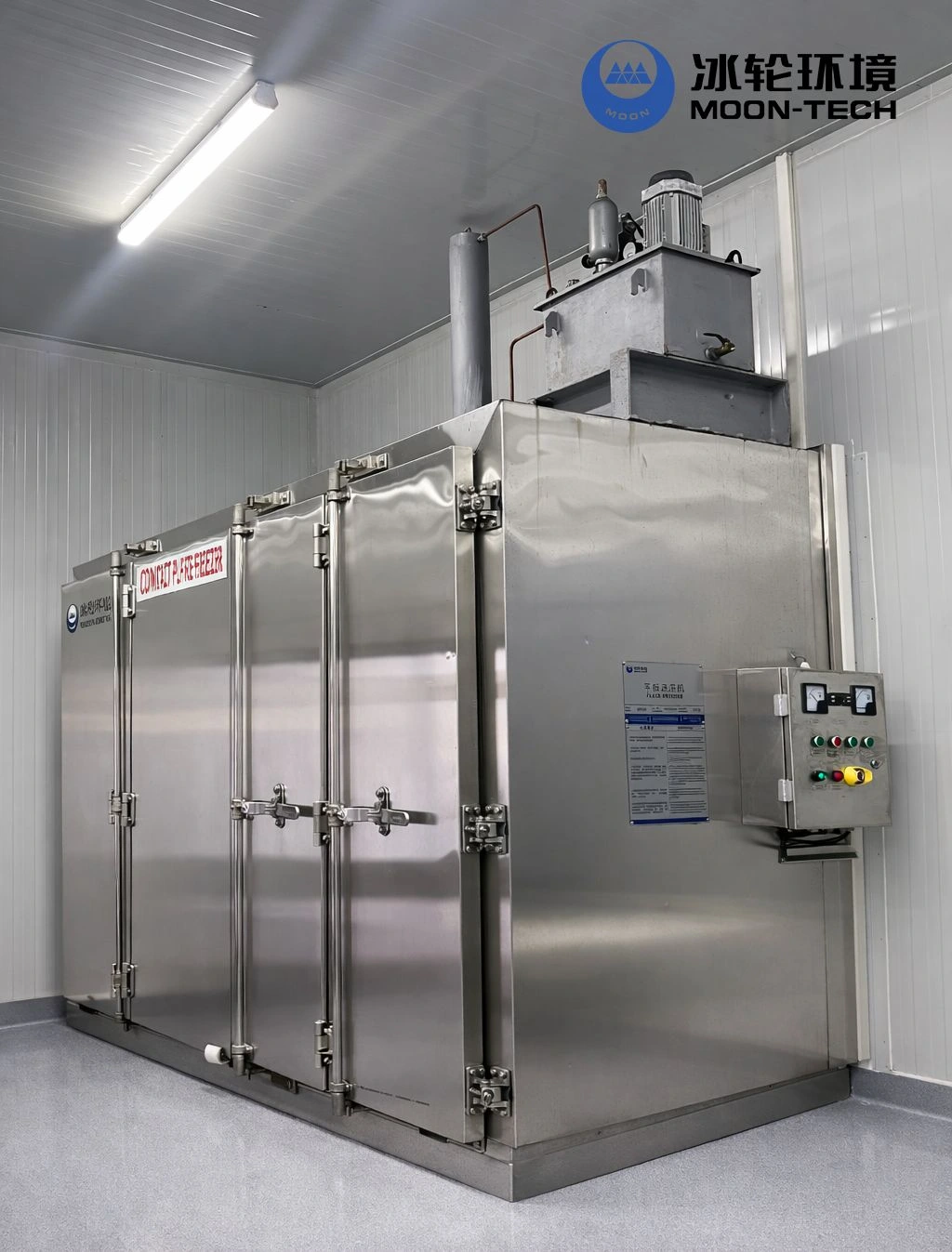
Cambio histórico de enfriamiento básico a congelación rápida de precisión
En el pasado, la refrigeración actuó como una herramienta dura. La comida fue a una zona fría, y la gente esperó. La espera perjudica la calidad. El campo ha progresado hacia un conocimiento más profundo del desarrollo de cristales de hielo y los efectos del movimiento del aire en los resultados finales.
Transición del almacenamiento mecánico a la inteligencia de congelación flash
El almacenamiento mecánico convencional se movió lentamente. La lenta congelación permite que se formen grandes cristales de hielo, que perforan las paredes celulares y crean texturas suaves después de la descongelación que a los consumidores no les gustan. Hoy’ Estos sistemas mejoran esto mediante la gestión del ritmo de eliminación del calor, lo que garantiza que los productos se muevan rápidamente a través de la zona de formación de cristales de hielo máxima. Como resultado, la calidad se mantiene alta.
Emergencia de soluciones industriales de cadena de frío de alta eficiencia
La cadena de frío se ha desarrollado en un proceso suave. Ahora implica más de un solo dispositivo; En su lugar, crea un sistema completo que mantiene condiciones estables desde los pisos de la fábrica hasta las cajas de entrega. Los arreglos eficientes emplean mejores refrigerantes y compresores más inteligentes, realizando más tareas con menos energía. Este avance aumenta la productividad general.
Integración de normas globales de seguridad alimentaria en el diseño de equipos
La seguridad forma una parte central de la construcción. El equipo actual se adhiere a normas de higiene rigurosas para detener el crecimiento de gérmenes. Cada articulación y área permite una limpieza sencilla, cumpliendo con las estrictas necesidades del comercio mundial de alimentos. Este diseño soporta operaciones fiables en todo el mundo.
Ventajas técnicas de los congeladores rápidos de túnel inteligentes
Si su planta maneja flujos constantes de productos como bayas, dumplings o camarones, la Congeladores rápidos de túnel inteligentes traje bien. Estas configuraciones manejan grandes volúmenes y movimiento continuo.
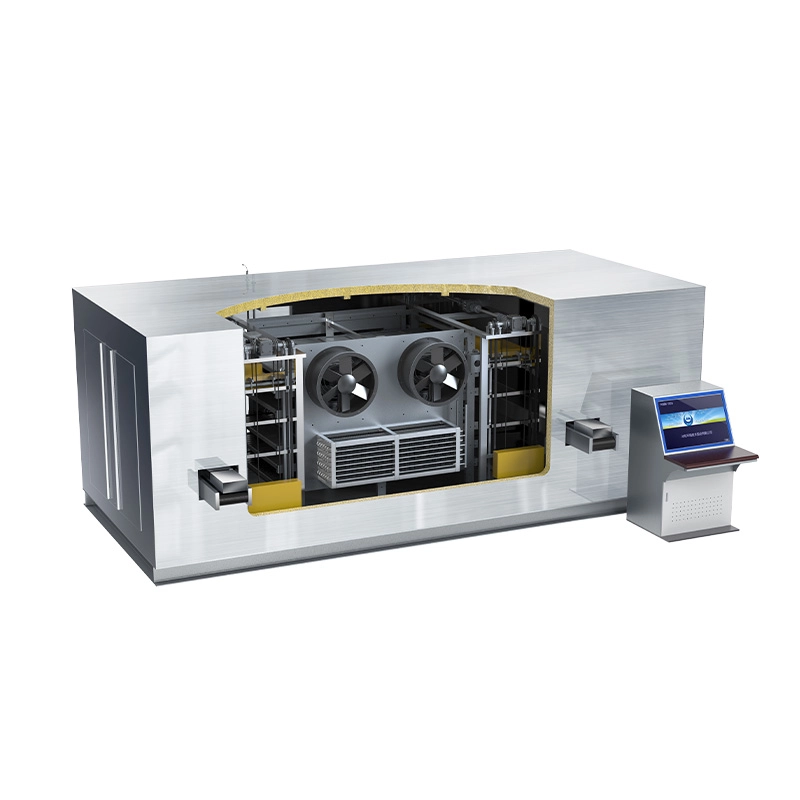
Integración sin problemas en líneas de producción automatizadas de alto volumen
Las plantas ocupadas evitan desaceleraciones a toda costa. Las unidades de túnel encajan directamente en las vías de transporte, donde los artículos frescos entran por un lado y salen totalmente congelados por el otro, libres de contacto humano. Este método garantiza la limpieza y la velocidad, lo que hace que la operación sea suave y eficaz. A su vez, aumenta los niveles de producción diaria.
Sistemas de flujo de aire patentados para resultados uniformes de congelación de la corteza
Los artículos congelados a menudo se unen en grumos debido al bajo flujo de aire. Los diseños avanzados de túneles aplican direcciones de aire dirigidas para endurecer las superficies externas de inmediato, manteniendo las piezas separadas y bloqueando la pérdida de humedad en condiciones secas. En consecuencia, los productos mantienen mejor su forma. Esta característica reduce los errores de procesamiento.
Interfaz de control dinámico para monitoreo de operaciones en tiempo real
Los operadores obtienen información clara sin especulación. Los paneles actuales muestran las temperaturas y las velocidades del cinturón directamente, y si ocurren problemas, la unidad alerta de inmediato, mucho preferible a descubrir problemas horas después con un lote fallido. Esta configuración permite soluciones inmediatas, lo que mantiene un rendimiento constante. En general, refuerza el control.
Beneficios del rendimiento de los congeladores rápidos modernos
Para productos planos o envasados como filetes de pescado o carne envasada, Congeladores rápidos de placa proporcionar beneficios únicos. Dependen del tacto directo, no del aire.
Método de enfriamiento de doble contacto para la extracción rápida de calor del núcleo
Las mercancías se colocan entre dos placas metálicas muy frías, por lo que el calor se transfiere de los alimentos a las superficies de aluminio casi a la vez. Esto se encuentra entre los caminos más rápidos para alcanzar temperaturas centrales de -18 ° C, esenciales para mantener la calidad fresca de los mariscos recién capturados. La velocidad aquí conserva rasgos clave. Ayuda en el manejo de altas apuestas.
Ahorro de espacio Configuraciones estructurales verticales y horizontales
Muchas plantas carecen de grandes áreas de suelo. Los congeladores de placas verticales ayudan a los barcos o sitios pequeños en gran medida, adaptando enormes áreas de congelación en espacios pequeños. Los usuarios seleccionan la configuración que coincida con su plan de habitación. Esta adaptabilidad se adapta bien a diversas necesidades.
Comparación de velocidades de congelación a través de diferentes categorías de alimentos (tabla)
Los alimentos responden de diversas maneras al enfriamiento. Aquí hay una breve visión del rendimiento del producto:
| Tipo de producto | Método de congelación | Tiempo típico | Calidad del resultado |
| Filletos de pescado | Congelador de placas | 120-150 minutos | Excelente textura |
| bayas sueltas | congelador túnel | 10-20 minutos | piezas individuales |
| Carne en caja | Congelador de placas | 3-5 horas | Bloques sólidos apilables |
| Camarones (IQF) | congelador túnel | 15-30 minutos | Sin agrupamiento |
Evolución de materiales sostenibles y normas de ingeniería
Los materiales de refrigeración han avanzado mucho desde la década de 1950. Hemos pasado de los metales pesados y sensibles a la oxidación a opciones robustas y seguras para los alimentos.
Acero inoxidable de alto grado para la máxima higiene de grado alimentario
La mayoría de los nuevos sistemas aplican acero inoxidable 304 o 316L. Este material evita la oxidación, limpia fácilmente y soporta cambios bruscos de temperatura sin descansos. Ofrece grandes ganancias para la durabilidad del equipo y pasar los controles de salud. Tales cualidades garantizan un largo servicio.
Refrigerantes respetuosos con el medio ambiente para una huella de carbono reducida
El sector se dirige a refrigerantes naturales como el CO2 y el amoníaco. Las grandes fábricas de mariscos ahora adoptan configuraciones de cascada R717/CO2, manteniendo niveles de frío muy bajos mientras ahorran el ozono. Este enfoque equilibra la potencia de refrigeración con el cuidado ecológico. Se ajusta a los estándares verdes modernos.
Paneles de aislamiento especializados para una retención superior de energía térmica
El enfriamiento pierde valor si el calor escapa fácilmente. Las nuevas placas densas de poliuretano sirven como barreras fuertes para las zonas de trabajo, cortando el uso del compresor y manteniendo los costos de energía estables. Mejores barreras significan menos tiempo de ejecución, lo que controla las facturas de manera efectiva. Esto apoya la gestión eficiente de la energía.
Soluciones estratégicas para los desafíos comunes del procesamiento industrial
Todos los fabricantes de alimentos se enfrentan a problemas como la pérdida de peso, problemas de estructura y fallas de engranajes. La nueva ingeniería aborda estos desafíos de cara a cara.
Minimización de la deshidratación del producto y pérdida de peso natural
Los alimentos que se mantienen demasiado tiempo en refrigeración pierden agua, lo que significa pérdida de peso e ingresos. La congelación rápida sella la humedad rápidamente, marcando la brecha entre los cortes húmedos y los secos. Este paso protege el valor en las ventas. Mantiene los productos comercializables.
Prevención de grandes cristales de hielo para preservar la integridad celular
El rápido intercambio de calor mantiene los cristales de hielo pequeños, por lo que ahorran paredes celulares alimentarias. Cuando se descongela, el artículo se mantiene firme y mantiene los jugos dentro, no se derraman. Este método mantiene la sensación natural. Aumenta la satisfacción del usuario final.
Lista de control de mantenimiento esencial para la fiabilidad del sistema a largo plazo
Las máquinas duran décadas con rutinas adecuadas. Los principales pasos son:
Diariamente: Compruebe la acumulación de helada en los evaporadores y limpie los desechos.
Semanalmente: Inspeccionar la tensión del cinturón y lubricar las partes móviles en los sistemas de túneles.
Mensualmente: Pruebe las válvulas de seguridad y compruebe los niveles de refrigerante para detectar fugas.
Anualmente: Realice una calibración completa del sistema y limpie profundamente todas las superficies de intercambio de calor.
Asociación con MOON-TECH para soluciones de congelación de próxima generación
Elegir socios requiere un fondo sólido. Busque a los expertos en grandes proyectos y tareas de nicho. Sus servicio grupo se prepara para ayudar a sus planes de actualización.
Acceso directo a la tecnología líder de refrigeración industrial
Los clientes reciben mucho más que el equipo; ganan 70 años de estudios y crecimiento. Para máquinas de hielo de bloques de enfriamiento directo o congeladores en espiral detallados, los diseños ponen de relieve la resistencia y la sencillez de manejo. Esta base ofrece resultados fuertes. Ayuda al progreso empresarial.
Soporte técnico integral y red de servicio global
Problemas en momentos impares necesitan ayuda rápida. Una configuración mundial proporciona piezas y consejos en cualquier lugar donde se encuentre su planta, centrándose en la calma, así como en las herramientas. Este alcance abarca áreas amplias. Construye confianza en el uso.
Consultas de expertos para equipos de procesamiento de alimentos personalizados
Los productos varían mucho. Evite las fijaciones uniformes. El trabajo en equipo con profesionales le permite ajustar el flujo de aire, el ritmo del cinturón y la fuerza de la placa para que coincida con sus mercancías. Contacto a través de su Contacta con nosotros página para iniciar las conversaciones.
Preguntas frecuentes
Q1: ¿Cuál es la principal diferencia entre los congeladores de túnel y placa?
R: Los congeladores de túnel usan aire frío para congelar productos en un cinturón móvil, lo que es excelente para artículos sueltos. Los congeladores de placas utilizan contacto directo con placas metálicas frías, lo que las hace mucho más rápidas para artículos planos o rectangulares.
Q2: ¿Cómo la congelación flash mejora la calidad de los alimentos?
R: Crea cristales de hielo muy pequeños que no’ t dañar la comida’ células s. Esto evita que “ pérdida de goteo” y cambios de textura que ocurren con métodos de congelación más lentos.
Q3: ¿Son estos sistemas eficientes energéticamente?
R: Sí, los diseños modernos utilizan controles inteligentes y aislamiento de alta calidad para reducir la carga de trabajo en los compresores, lo que reduce significativamente el uso de energía.
Q4: ¿Se pueden integrar estas máquinas en una línea de producción existente?
R: Absolutamente. La mayoría de los congeladores industriales están diseñados para ser modulares, lo que significa que se pueden instalar directamente en su sistema de transporte o procesamiento actual.
Q5: ¿Qué tipo de mantenimiento requieren estos sistemas?
R: La limpieza regular y la verificación de fugas de refrigerante son las tareas más importantes. Mantener las partes móviles lubricadas y los sensores calibrados garantiza que la máquina dure muchos años.