
Most problems associated with industrial cooling systems do not come as a total system failure. Chilled water temperature gradually increases, condensing pressure gradually increases, pump power consumption increases, or the heat exchanger tubes must be cleaned more frequently than usual. These small problems can cause considerable damage in terms of operating costs and disrupt 24/7 production.
Fundada en 1956, MOON-TECH marks its 70th anniversary in 2026. We have over 70 years of experience in developing of production of the most sophisticated types of industrial equipment such as: refrigeration equipment, heat exchangers, gas compressors as well as comprehensive cooling systems. Production facilities of the Company are equipped with highly advanced, fully automated machines for tube-to-tube-sheet welding, with modern precision machining centers and the only in the country National Testing Center for industrial equipment. The Company is fully capable to design and manufacture any type of equipment and to assemble and start up complete cooling systems and to provide long-term services to them.
For buyers planning an industrial chiller system, the key question is not simply whether a shell and tube heat exchanger is durable. You need to know how it handles pressure, changing loads, dirty water, corrosion, maintenance, and real process temperatures. Those points decide whether the exchanger will remain useful after years of operation.
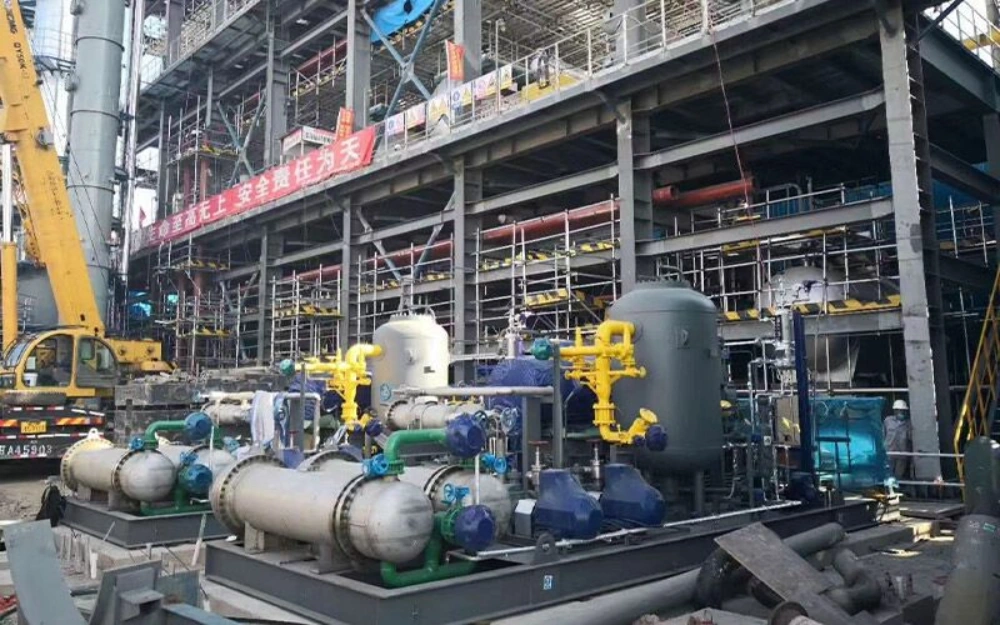
What Does a Shell and Tube Heat Exchanger Do in an Industrial Chiller?
A shell and tube heat exchanger moves heat between two fluids without allowing them to mix. One fluid passes through a group of tubes, while the second fluid flows around those tubes inside the shell. This basic structure supports both evaporation and condensation duties in industrial chillers.
Tube-Side and Shell-Side Heat Transfer
Heat moves through the tube wall from the hotter fluid to the colder fluid. The designer decides which medium enters the tubes by checking pressure, corrosion, fouling, flow rate, and cleaning needs.
A high-pressure or aggressive fluid is often placed inside the tubes because the smaller diameter is easier to design for pressure. Water that requires regular mechanical cleaning may also go through the tube side, where technicians can reach it after removing the channel cover.
Evaporator and Condenser Functions
In an evaporator, refrigerant absorbs heat from chilled water or brine and changes from liquid to vapor. The cooled secondary fluid then returns to the production process.
In a condenser, hot refrigerant vapor releases heat and returns to liquid form. Stable condenser performance matters because poor heat rejection can increase compressor load and power use. A little scale inside the tubes may not look serious, but over a long operating season it can become expensive.
Continuous Industrial Cooling
Industrial chillers may run for long shifts or throughout the year. Their heat exchangers must handle load changes without frequent shutdowns.
MOON-TECH screw compressor technology supports capacity regulation from 10% to 100%, along with automatic load control, operating data storage, alarms, and remote communication. When this type of compressor is matched with a properly sized exchanger, the cooling system can respond more smoothly to changing production demand.
Shell and Tube Heat Exchanger Design
A shell and tube unit looks simple from the outside, yet its internal details affect temperature control, pressure loss, cleaning time, and service life. Buying by heat transfer area alone is risky. The flow path matters just as much.
Shell, Tube Bundle, and Tube Sheets
The shell contains the outside flow. The tube bundle carries the inside flow, while tube sheets hold the tubes and separate the two media.
Tube-to-tube-sheet joints require accurate manufacturing because leakage at this point can mix process fluids. MOON-TECH lists automatic tube and tube-sheet welding equipment among its manufacturing systems, along with pressure vessel production and heat exchanger testing capability.
Baffles and Multi-Pass Flow
Baffles guide the shell-side fluid across the tubes instead of letting it take a short path from inlet to outlet. They also support the tubes and reduce vibration.
A multi-pass arrangement sends tube-side fluid through the exchanger more than once. This raises velocity and may improve heat transfer, though it also adds pressure drop. More passes are not automatically better. Pump power and flow limits still count.
Materials and Pressure Ratings
Material choice depends on fluid chemistry, pressure, temperature, chloride content, and expected corrosion.
El Refinación y Soluciones de enfriamiento petroquímico offered by MOON-TECH include heat exchange equipment and pressure vessels made from carbon steel, stainless steel, copper alloys, and titanium alloys. Designs can follow GB, ASME, and TEMA requirements, with stated design pressures reaching 10 MPa. This range is useful when one plant contains both ordinary cooling water and more demanding process streams.
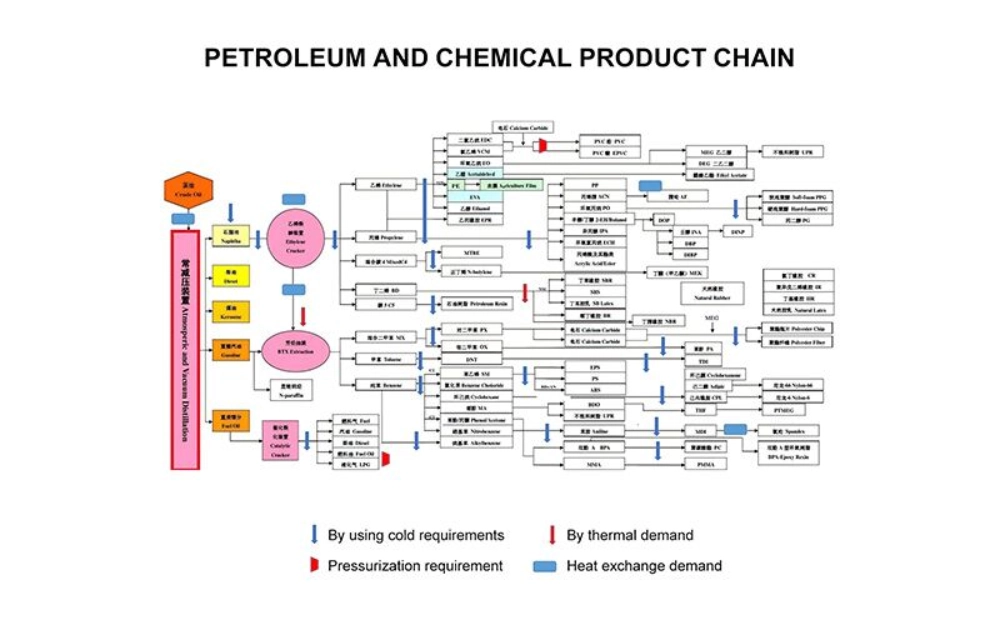
The value of a shell and tube heat exchanger comes from seven practical features. These are pressure strength, temperature adaptability, scalable surface area, flexible flow arrangement, broad material choice, fouling tolerance, and serviceable tube construction.
Pressure and Temperature Resistance
A strong shell, compact tubes, and firmly joined tube sheets make this design suitable for demanding pressure conditions. It also works across a wide temperature range when the correct materials and seals are selected.
de MOON-TECH industrial low-temperature cooling capability includes brine refrigeration systems covering process requirements from 0°C down to minus 80°C. This does not mean one standard exchanger fits the whole range. Each duty still needs its own thermal and mechanical check.
Capacity, Flow, and Material Flexibility
Heat transfer area can be changed through tube length, tube count, diameter, and shell size. Flow can also be adjusted through pass arrangement and baffle spacing.
This flexibility helps when a project has a tight footprint, unusual temperature approach, or future expansion plan. It also allows an exchanger to match a chiller rather than forcing the chiller to work around a poorly selected heat transfer surface.
Fouling Tolerance and Serviceable Tube Bundles
Industrial cooling water is not always clean. Minerals, rust, oil traces, and suspended matter may build up on the heat transfer surface.
A shell and tube design can provide wider flow passages and direct access to tube interiors. Depending on the construction, tubes may be brushed, chemically cleaned, plugged, or replaced. This service access is one reason the design remains common in heavy industrial cooling.
Industrial Chiller Selection Factors
A good selection starts with process data, not a catalog model. Heat duty, fluid condition, pressure, water quality, and maintenance space should be discussed together. Otherwise, a unit may meet the first performance test but become difficult to operate later.
Heat Duty and Temperature Approach
You should provide inlet temperature, target outlet temperature, flow rate, operating hours, and expected load changes.
A very close temperature approach may require more surface area. A wider approach may reduce equipment size but change process performance. The correct balance depends on the actual production line, not only the chiller’s rated capacity.
Pressure Drop, Water Quality, and Fouling
Pressure drop affects pump selection and running cost. A narrow passage may improve heat transfer yet require more pumping power. Fouling makes the problem worse because deposits reduce the open area.
Water analysis should be completed early. Hardness, chlorides, suspended solids, pH, and treatment method can change tube material, velocity, and cleaning frequency. These are not glamorous design questions. They are often the questions that save the project.
Shell and Tube versus Plate Design
Plate heat exchangers offer a compact footprint and close temperature approach. They work well with clean fluids and suitable pressure conditions.
Shell and tube units usually provide stronger mechanical cleaning access, wider passages, and more options for high-pressure or dirty service. They also take more space. Neither design wins every project, so the final choice should follow fluid behavior and maintenance practice.
Refining and Petrochemical Cooling Applications
Refining and petrochemical facilities contain several cooling duties at once. A plant may need chilled water, low-temperature brine, process liquid cooling, vapor condensation, gas cooling, and heat recovery. Treating each item as an isolated purchase can create mismatched temperatures and pressure drops.
Chilled Water and Low-Temperature Brine Systems
Chilled water suits moderate process temperatures, while brine or another secondary fluid is used when the outlet must remain below the freezing point of water.
de MOON-TECH refining and petrochemical refrigeration systems cover chilled water, low-temperature brine, liquid cooling, and gas condensation. The solution is designed around the complete process demand instead of a single chiller quotation.
Liquid Cooling and Gas Condensation
Hot liquid streams may need cooling before separation, storage, compression, or another production stage. Gas streams may need controlled condensation to recover valuable material or manage storage pressure.
Shell and tube exchangers suit many of these duties because the shell side and tube side can be arranged around different pressure and cleaning needs. The final configuration still depends on phase change, fluid composition, corrosion, and allowable pressure loss.
Integrated Process Cooling Equipment
System integration becomes more valuable when compressors, chillers, pumps, heat exchangers, and control logic affect one another.
In one unnamed refining and chemical retrofit, overhead vapor heat was recovered and returned to a reboiler through a heat pump system. The system provided 23.4 MW of cooling and 27.4 MW of heating. Reported annual savings exceeded RMB 40 million, while yearly carbon reduction reached 79,530 tons. No single exchanger created that result. The gain came from treating heat transfer and refrigeration as one connected system.
MOON-TECH’s wider Cartera de soluciones industriales and published experiencia en proyectos show the same system-based approach across cooling, gas compression, heat recovery, and process temperature control.
Build a Reliable Industrial Cooling System with MOON-TECH
Selecting a heat exchanger is only one part of the job. You also need the right chiller capacity, piping arrangement, controls, safety plan, commissioning method, and service access.
Consultoría técnica integral
A través de consulta de proceso completo, technical teams can review medium type, temperature, flow, pressure, installation limits, control needs, and future expansion before equipment production starts.
This early work helps avoid an exchanger that fits the datasheet but not the plant layout. It is much easier to change a drawing than a completed skid.
Customized Equipment and System Integration
MOON-TECH can combine screw compressor units, industrial chillers, heat exchange equipment, pressure vessels, controls, and supporting systems through its whole industry chain capability.
Standardized production is available for common requirements, while flexible manufacturing supports special materials, pressure ratings, electrical standards, and process conditions.
Lifecycle Service and Project Support
La empresa full life cycle service covers technical consulting, project planning, system design, equipment supply, installation, commissioning, operator training, maintenance, diagnosis, and later upgrades.
For a continuous industrial plant, that service scope matters almost as much as the first thermal calculation. When your process data is ready, you can Contacta con el equipo técnico. for a working-condition review rather than starting with a generic model request.
Preguntas frecuentes
What Is the Main Benefit of a Shell and Tube Heat Exchanger?
Its main benefit is dependable heat transfer under demanding industrial conditions, with flexible pressure ratings, materials, flow arrangements, and maintenance options.
Which Fluid Should Flow Through the Tube Side?
The tube side often carries a high-pressure, corrosive, dirty, or frequently cleaned fluid, but the final choice depends on pressure drop, viscosity, phase change, and service access.
Is a Shell and Tube Heat Exchanger Easy to Clean?
Tube interiors are usually accessible after the channel cover is removed, allowing brushing, flushing, chemical cleaning, inspection, plugging, or tube replacement when the design permits.
Can It Be Used for Low-Temperature Brine Cooling?
Yes. A properly designed shell and tube exchanger can handle chilled water and low-temperature brine duties when materials, temperature limits, pressure, and freeze protection are correctly matched.
How Can MOON-TECH Support an Industrial Chiller Project?
MOON-TECH can support working-condition review, equipment design, chiller and exchanger matching, system integration, installation, commissioning, training, maintenance, and later system upgrades.