
Exploiter une grande installation industrielle signifie que les coûts mensuels de production d'énergie frigorifique pèsent lourdement sur vos bénéfices. Choisir le bon système de refroidissement peut sembler risqué sans comprendre les principes mécaniques de base. C'est là que de solides connaissances s'avèrent essentielles.. MOON-TECH, fondée en 1956, a consacré soixante-dix ans à perfectionner réfrigération à basse températureNotre activité ne se limite pas à la production d'appareils. Nous nous attachons à créer une tradition de services qui prend en charge l'intégralité du processus, de la conception initiale à la maintenance intelligente. Pour les grandes centrales électriques ou les chaînes d'approvisionnement frigorifique internationales, nous proposons des solutions sûres et durables, reconnues mondialement. Collaborer avec un groupe actif depuis les années 1950, c'est bénéficier de bien plus que du matériel : c'est profiter de soixante-dix ans d'expertise en conception.
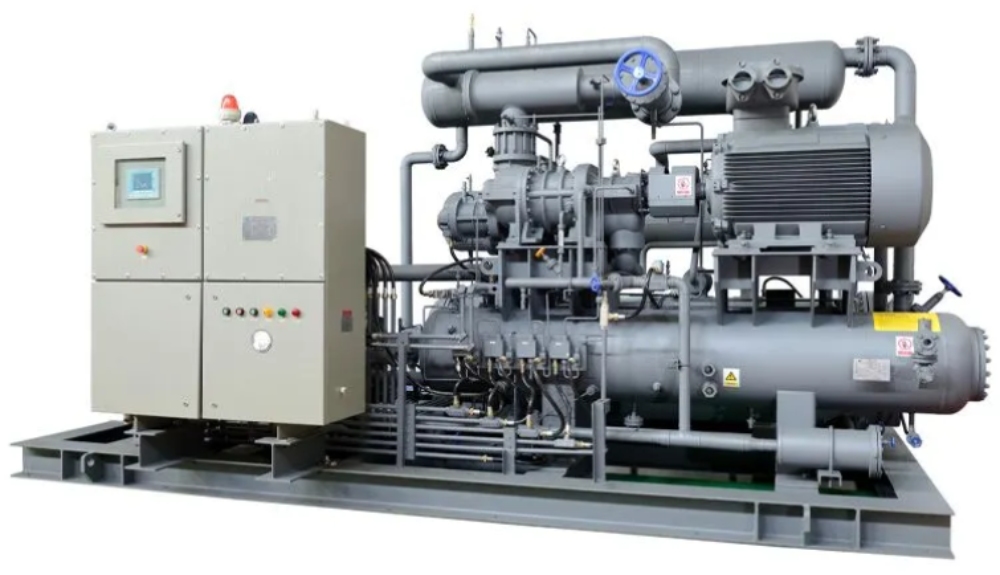
Comprendre le rôle crucial de l'efficacité dans la réfrigération industrielle
Le marché mondial actuel affiche une hausse constante des prix de l'énergie. Un système de refroidissement énergivore engendre des coûts importants à chaque fonctionnement du compresseur. De nombreux responsables de site se concentrent sur le coût initial. Cependant, les coûts d'exploitation réels apparaissent après cinq à dix ans d'utilisation.
Hausse des coûts énergétiques et défis opérationnels
La hausse des tarifs de l'électricité et le durcissement des normes environnementales exigent des unités plus performantes avec une consommation réduite. Un système de réfrigération ancien est probablement confronté à une résistance accrue et à une faible circulation de la chaleur. Par conséquent, ces facteurs sont susceptibles d'engendrer des milliers d'euros de frais d'exploitation cachés.
Principales différences entre les technologies à immersion et à siphon
Le point essentiel réside dans la manière dont le fluide frigorigène entre en contact avec l'évaporateur. Une méthode consiste à maintenir les tuyaux immergés. L'autre repose sur le principe du siphon pour déplacer le fluide frigorigène. Chaque méthode est adaptée à des usages spécifiques. Toutefois, la différence de rendement peut devenir significative selon vos besoins précis.
Impact direct du choix du refroidisseur sur les coûts d'exploitation à long terme
Un choix judicieux permet de réduire les dépenses imprévues. Il couvre les frais d'électricité, les intervalles d'entretien et la durée de vie du compresseur. Parfois, un investissement initial plus important dans un circuit sur mesure évite des frais de réparation majeurs ultérieurement. Cette stratégie contribue à une bonne santé financière globale.
Principes techniques des refroidisseurs de saumure haute performance
Pour comprendre pourquoi une configuration est supérieure à une autre, il faut examiner ses éléments principaux. Le refroidissement consiste essentiellement à transférer la chaleur des zones indésirables vers les zones acceptables. La réussite de ce processus repose sur la structure de l'évaporateur et la circulation de la saumure.
Mécanismes de l'évaporation en milieu inondé pour un transfert de chaleur maximal
Dans un système à bain d'huile, l'évaporateur est rempli de fluide frigorigène liquide. Les tubes d'échange thermique restent ainsi totalement confinés. Par conséquent, l'écart de température entre le fluide frigorigène et la saumure demeure très faible. Le procédé s'apparente au chauffage direct de l'eau dans une casserole par le feu. Ce contact direct accélère le processus par rapport aux méthodes utilisant la vapeur.
Principe de fonctionnement unique des circuits frigorifiques à siphon
Les systèmes à siphon sont ingénieux car ils exploitent la gravité et les variations de pression pour déplacer le fluide frigorigène. La suppression de certaines pompes mécaniques élimine les risques de panne et réduit la consommation énergétique globale du système. Cette méthode offre une approche plus propre et plus simple pour les opérations de refroidissement.
Comparaison des systèmes de distribution de réfrigérant et de retour d'huile (Conception du tableau)
| Caractéristique | Performances du système inondé | Performances du système de siphon |
| Efficacité d'échange thermique | Extrêmement élevé (entièrement submergé) | Élevée (circulation naturelle) |
| Complexité du retour du pétrole | Nécessite une gestion active du pétrole | Retour plus simple basé sur la gravité |
| Stabilité à charge partielle | Excellent | Supérieur dans des domaines spécifiques |
| Usure mécanique | Faible | Minimal (moins de pièces mobiles) |
Avantages distinctifs du refroidisseur de saumure à basse température inondé MOON-TECH
En examinant le Refrigérateur de salée inondé à basse température Ce dispositif, conçu pour une fiabilité industrielle extrême, se distingue par sa conception ciblée, évitant les solutions universelles et s'adressant aux environnements exigeant un refroidissement constant et important.
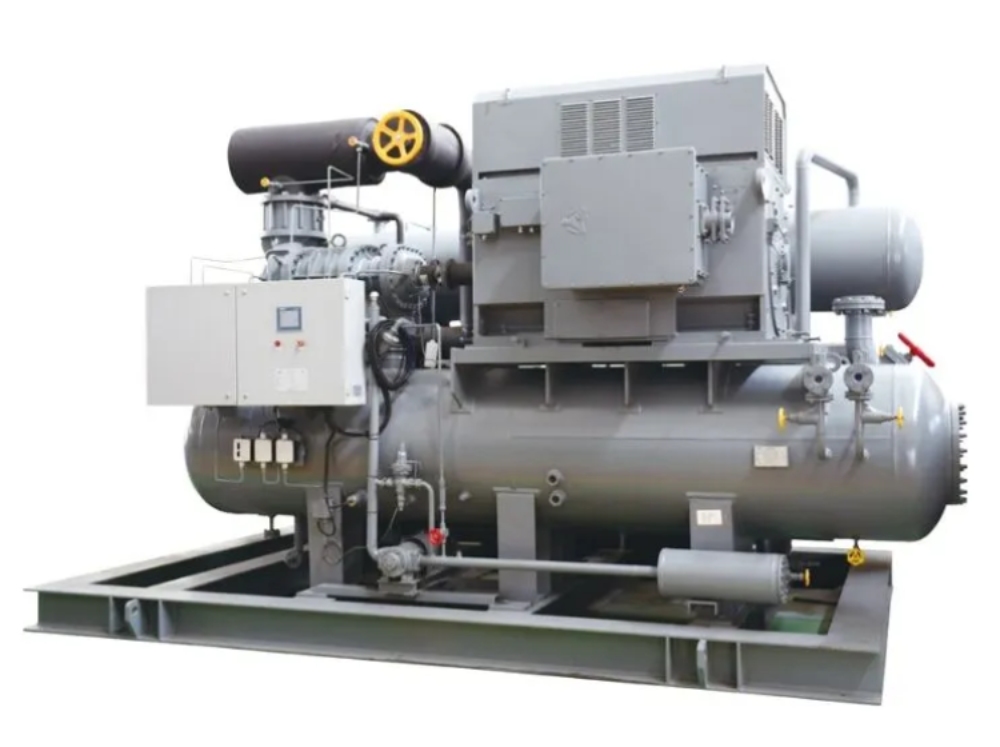
Conception à immersion totale pour une efficacité d'échange thermique supérieure
L'immersion complète des tubes dans la saumure augmente considérablement le taux de transfert thermique par rapport aux évaporateurs secs classiques. Il en résulte une capacité de refroidissement accrue par kilowatt de puissance consommée. Cette conception améliore la performance opérationnelle dans les environnements exigeants.
Construction robuste pour les charges de refroidissement industrielles exigeantes
Dans des applications pratiques, comme les opérations chimiques intensives, ces appareils fonctionnent en continu. Leur construction est à la hauteur de cette exigence : ils sont dotés d’un châssis robuste et de pièces résistantes aux chocs et à la pression thermique.
Systèmes de contrôle intelligents pour une gestion précise de la température
Le refroidissement industriel moderne exige bien plus qu'une simple commutation. La précision de contrôle doit être de l'ordre de la fraction de degré. Un logiciel embarqué surveille en continu les pressions et les températures, puis ajuste le débit pour maintenir l'équilibre des opérations.
Caractéristiques innovantes du refroidisseur de saumure à basse température de type siphon
La recherche d'une conception qui simplifie la mécanique tout en maintenant un rendement élevé conduit à Refrigérateur de sel à basse température de type Siphon. Ce choix convient aux configurations qui privilégient avant tout les économies d'énergie.
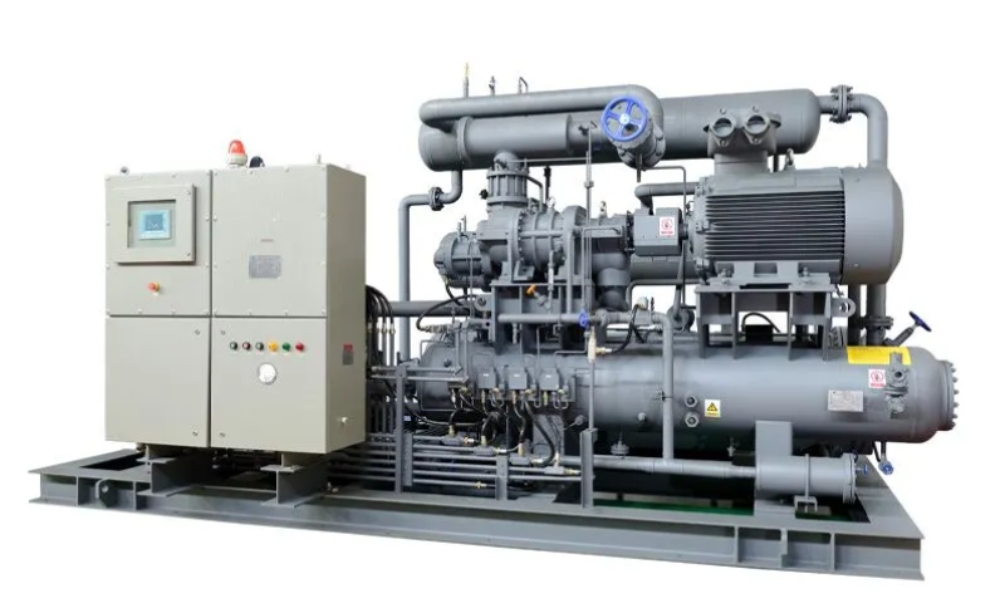
Efficacité de la circulation naturelle sans énergie mécanique externe
Le siphon assure la circulation primaire. La moindre dépendance aux pompes mécaniques améliore la fiabilité du système. L'énergie non utilisée pour les pompes permet de réduire les coûts. Cette caractéristique renforce la rentabilité du système.
Maintenance système simplifiée et usure des composants réduite
La réduction du nombre d'éléments mobiles diminue généralement les besoins de réparation. Les inspections annuelles révèlent des systèmes de siphon présentant moins de dommages internes. Cette approche offre une solution d'ingénierie simple et éprouvée, facilitant ainsi la maintenance à long terme.
Performances optimisées en conditions de faible charge
Le refroidissement industriel connaît fréquemment des périodes de capacité réduite. Les modèles à siphon gèrent efficacement ces phases de charge partielle. Ils maintiennent les niveaux de production sans nécessiter une puissance d'entrée maximale. Cette capacité permet de répondre de manière fiable aux besoins fluctuants.
Guide de sélection stratégique pour votre infrastructure de refroidissement
Le choix dépend de l'adéquation de la technologie à votre configuration et à vos habitudes. Il s'agit rarement d'opter pour la solution la plus performante. Il s'agit plutôt de trouver un équilibre entre les coûts initiaux et les économies d'énergie attendues sur une décennie.
Liste de contrôle pour choisir le système de refroidissement de saumure idéal (Points clés)
Comparez votre charge de refroidissement maximale à votre charge quotidienne moyenne.
Évaluer l'espace disponible pour l'installation et la tuyauterie.
Déterminez la température de saumure requise (par exemple, de -5°C à -35°C).
Évaluez vos coûts d'électricité locaux afin de calculer le retour sur investissement potentiel des modèles à haute efficacité énergétique.
Confirmer la disponibilité des professionnels service après-vente et assistance technique.
Concilier investissement initial et économies d'énergie durables
Un modèle peu coûteux pourrait réduire les dépenses de cette année. Néanmoins, les versions à immersion ou à siphon performantes sont souvent rentabilisées en deux ou trois ans grâce aux économies d'énergie réalisées. Il faut donc le considérer comme un investissement durable plutôt que comme un simple appareil.
Tendances futures en matière de réfrigération industrielle écologique
Les orientations internationales privilégient les méthodes à faibles émissions. L'utilisation de CO2 ou de fluides frigorigènes écologiques similaires est désormais la norme. Anticiper ces réglementations permet d'éviter des refontes complètes des installations dans les cinq ans.
Partenariat avec MOON-TECH pour des solutions de refroidissement avancées
Atteindre soixante-dix ans d'activité constitue un accomplissement majeur. Cela témoigne d'une capacité à traverser toutes les évolutions du marché et les mutations technologiques depuis le milieu du XXe siècle. Une telle fiabilité est un critère de choix idéal pour une entreprise. partenaire de refroidissement à long terme.
Des décennies d'excellence en ingénierie dans le commerce mondial
Présente dans plus de 120 pays et régions, l'entreprise comprend les problématiques spécifiques liées aux différents climats et secteurs d'activité. De la chaleur intense de l'Asie du Sud-Est aux normes rigoureuses de l'Europe, cette expérience se reflète directement dans ses équipements.
Service complet de cycle de vie et assistance technique
L'assistance va bien au-delà d'un simple contact en cas de panne. Elle constitue une garantie intelligente 24h/24 et 7j/7. Qu'il s'agisse de conseil, de planification ou de mises à niveau, l'assistance est assurée pendant toute la durée de vie du produit.
Intégration de systèmes personnalisée pour vos besoins de production spécifiques
Chaque configuration d'usine est unique. Grâce à la planification BIM, le bureau d'études affine les réseaux de tuyauterie complexes avant le début des travaux sur site. Cette étape permet d'éviter les problèmes rencontrés lors de la construction et garantit une intégration parfaite du réseau final à votre installation.
FAQ (questions fréquentes)
Q1 : Quelle est la principale différence entre un refroidisseur à bain d'huile et un refroidisseur à siphon ?
A: Un refroidisseur noyé maintient les tubes de l'évaporateur complètement immergés dans le fluide frigorigène liquide pour un transfert de chaleur maximal, tandis qu'un refroidisseur à siphon utilise les différences de pression pour une circulation naturelle, réduisant souvent l'énergie de la pompe mécanique.
Q2 : Ces refroidisseurs de saumure peuvent-ils atteindre des températures aussi basses que -35 degrés ?
R : Oui, ces systèmes sont spécialement conçus pour les applications à basse température, et dans des configurations spécialisées comme les chambres de congélation rapide, les températures peuvent même descendre jusqu'à -35 °C ou moins selon le réfrigérant utilisé.
Q3 : Comment savoir si mon installation a besoin d'un système de type siphon ?
R : Si votre priorité est de réduire les points de défaillance mécaniques et que vous souhaitez un système qui gère efficacement les conditions de charge partielle sans puissance de pompe supplémentaire, une solution de type siphon est souvent la meilleure option.
Q4 : La maintenance de ces unités industrielles de haute technologie est-elle difficile ?
R : Pas nécessairement. Bien que la technologie soit avancée, la conception privilégie l'accessibilité et la simplification de la restitution du fioul. De plus, grâce à une garantie d'assistance 24 h/24 et 7 j/7, vous bénéficiez toujours d'une aide experte pour les contrôles de routine.
Q5 : Ces systèmes de réfrigération sont-ils respectueux de l'environnement ?
A : Absolument. L'accent est mis sur la réfrigération écologique et à faible émission de carbone, grâce à l'utilisation de technologies de pointe pour minimiser le gaspillage d'énergie et à l'adoption de fluides frigorigènes respectueux de l'environnement afin de répondre aux normes internationales.