
Periksa tanaman Anda’ Biaya energi dan data emisi secara dekat. Pengaturan pendinginan sering berdiri sebagai sumber utama penggunaan tinggi. Sistem industri standar mengkonsumsi sejumlah besar daya. Karena aturan di seluruh dunia semakin ketat, memegang metode yang ketinggalan zaman membawa risiko yang signifikan. Situasi ini menyoroti kebutuhan pengetahuan khusus. Selama 70 tahun, Teknologi Bulan telah memimpin dalam sektor termal. Didirikan pada tahun 1956, perusahaan luas ini memegang tempat di antara China’ 100 Perusahaan Mesin Terbaik dan berfungsi sebagai Model untuk Perlindungan Ozon. Mereka menyediakan lebih dari peralatan; mereka memberikan rantai operasional penuh dari penelitian hingga dukungan cerdas, membantu klien internasional dengan solusi pendinginan industri didukung oleh tujuh dekade kinerja yang dapat diandalkan.
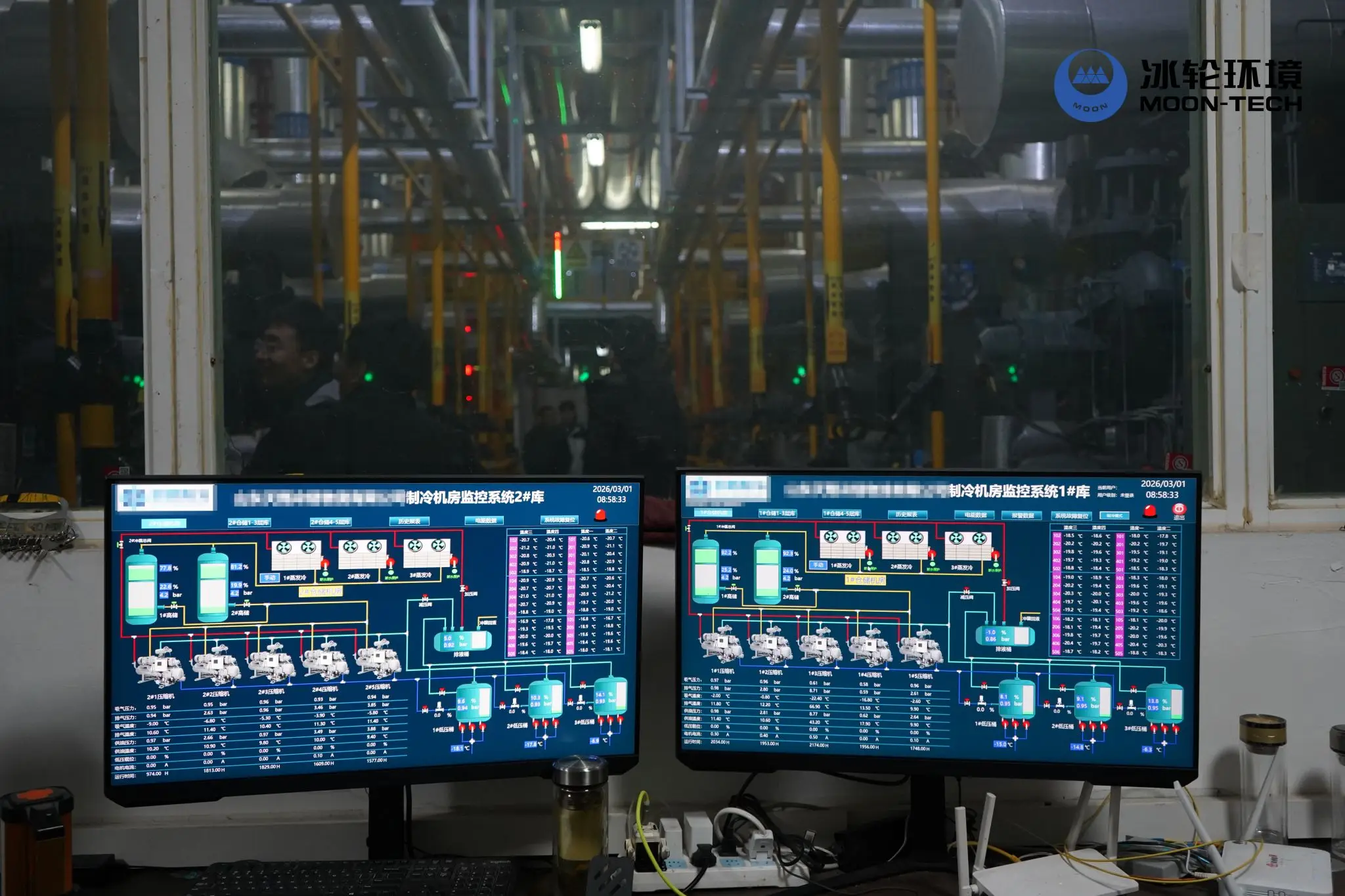
Tantangan Pendinginan Industri Modern dan Pergeseran Berkelanjutan
Industri sekarang menghindari cairan pendingin buatan yang merusak lapisan ozon atau meningkatkan suhu global. Manajer merasakan dorongan untuk menjalankan fasilitas sepanjang jam sambil mematuhi aturan lingkungan yang kuat. Kepatuhan meluas di luar sederhana “ hijau” praktik; memastikan kelayakan bisnis di pasar yang mendukung produktivitas dan menghukum kelebihan. Banyak sistem warisan mendekati akhir hidup mereka yang berguna, memaksa keputusan antara perbaikan sementara atau mengadopsi pilihan organik dan emisi rendah.
Meningkatnya Standar Emisi Karbon Global
Otoritas secara bertahap menghilangkan gas dengan Potensi Pemanasan Global yang tinggi lebih cepat daripada banyak operasi yang dapat beradaptasi. Fasilitas tergantung pada pendingin kimia usang menghadapi batas mendekati dan kemungkinan hukuman. Tekanan semacam itu membutuhkan evaluasi cepat dari pengaturan saat ini untuk menghindari gangguan.
Dampak Lingkungan Refrigerant Konvensional
Pendingin tradisional sering melarikan diri, menyebabkan kerusakan ekologis yang signifikan ketika mereka melakukannya. Melewati sisi lingkungan, zat-zat ini tumbuh lebih mahal dan lebih langka saat output mencapai batas peraturan. Bisnis harus menimbang faktor-faktor ini terhadap kebutuhan operasional jangka panjang.
Permintaan untuk Sistem Pendinginan Efisiensi Tinggi
Pengurangan energi kecil menumpuk menjadi penghematan besar selama bertahun-tahun. Sistem canggih memprioritaskan mengekstrak pendinginan maksimum dari setiap unit daya, meringankan ketegangan pada jaringan listrik regional. Fokus ini selaras dengan tujuan keberlanjutan yang lebih luas.
Keuntungan Teknis Chiller Garam Suhu Rendah Tipe Siphon
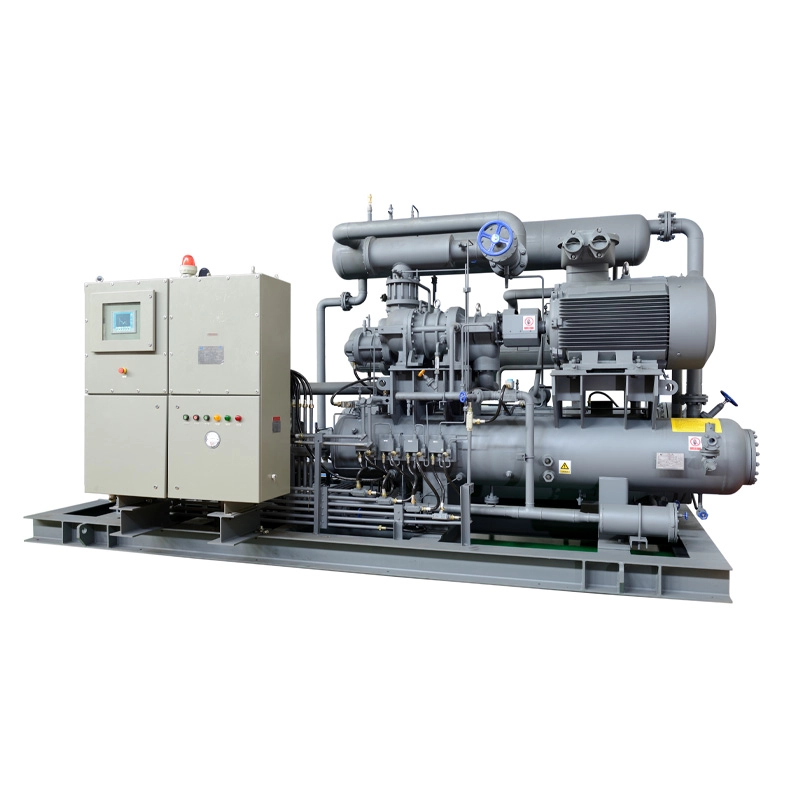
Untuk pendinginan yang konsisten dan mendalam dalam penanganan kimia atau pekerjaan industri yang menuntut, Chiller garam suhu rendah tipe siphon Memperkenalkan metode transfer pendingin yang efektif. Berbeda dengan unit yang hanya bergantung pada pompa mekanis yang rentan terhadap kerusakan atau konsumsi tinggi, desain ini memanfaatkan prinsip alami. Hal ini terbukti dapat diandalkan untuk operasi intoleran berhenti tak terduga.
Sistem Sirkulasi Siphon yang Didorong Gravitasi
Perbedaan ketinggian dan tekanan pendingin menciptakan aksi sifon, yang mendorong sirkulasi tanpa usaha ekstra. Akibatnya, lebih sedikit komponen bergerak, menyederhanakan pemeliharaan untuk staf rekayasa. Pendekatan ini meningkatkan umur panjang sistem secara keseluruhan.
Kontrol Suhu yang Tepat untuk Proses Industri
Memegang tingkat pada -25 ° C atau di bawah menimbulkan tantangan dalam praktek. Chiller mempertahankan air asin pada titik stabil, penting karena fluktuasi kecil dapat merusak seluruh batch kimia. Presisi seperti ini mendukung kualitas produksi yang konsisten.
Perbandingan Siphon vs Metode Garam Konvensional
| Fitur | Sirkulasi Siphon | Dipompa Tradisional |
| Penggunaan Daya | Lebih rendah (aliran alami) | Lebih tinggi (pompa mekanis) |
| Pemeliharaan | Sederhana | Kompleks |
| Keandalan | Tinggi (lebih sedikit bagian) | Moderasi |
Manfaat Efisiensi dari Unit Perubahan Fase CO2 GEPT-R290
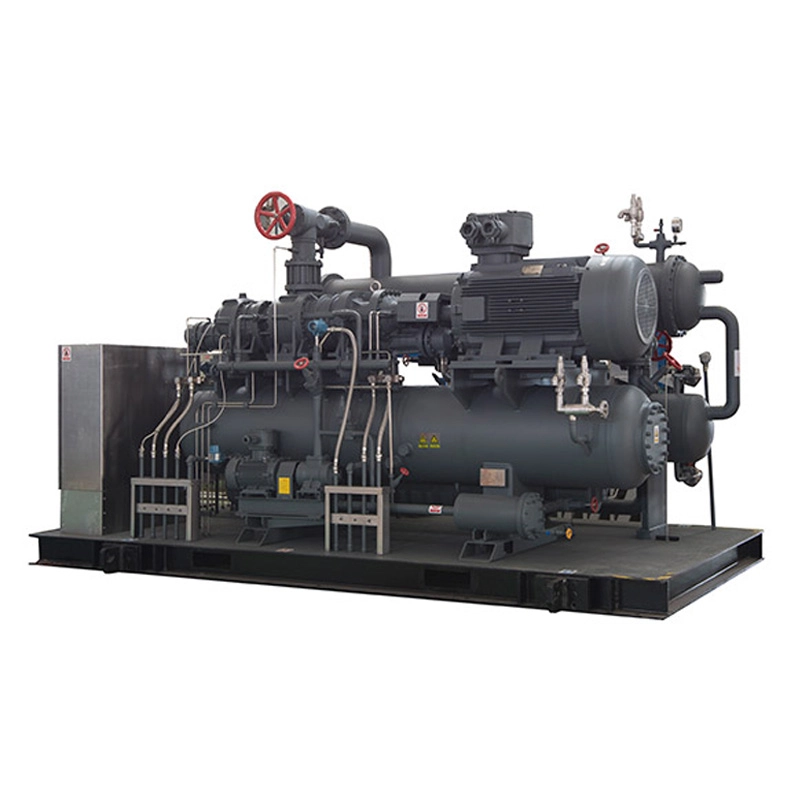
Netralitas karbon membutuhkan pertimbangan cairan pendingin alami seperti R290 (propana) dan CO2. yang GEPT-R290 CO2 Unit Pendinginan Perubahan Fase Efisiensi Tinggi sesuai dengan tujuan ini secara tepat. Ini menggunakan panas laten dari bahan-bahan ini - energi selama pergeseran keadaan - untuk mentransfer beban termal yang substansial dengan masukan minimal.
Refrigerant Alami Ramah Lingkungan R290 dan CO2
Pendingin ini hampir tidak menunjukkan Potensi Pemanasan Global. Adopsi mereka melindungi terhadap pembatasan yang akan datang atau pajak lingkungan, membuat fasilitas tahan selama beberapa dekade ke depan. Pilihan seperti itu mendorong kepatuhan yang abadi.
Pemanfaatan Panas Laten Melalui Teknologi Perubahan Fase
Alih-alih hanya mendinginkan cairan, metode ini memanfaatkan pelepasan energi saat gas kondensasi menjadi cairan. Ini menawarkan pendekatan yang lebih padat untuk manajemen termal, biasanya menghasilkan perangkat yang kompak namun kuat. Keuntungan efisiensi mengikuti secara alami dari desain ini.
Pengurangan Konsumsi Energi dalam Operasi Berat
Dalam penanganan atau penyimpanan makanan laut yang luas, pengurangan muncul segera. Mengoptimalkan proses perubahan fase meringankan permintaan kompresor dibandingkan dengan model sebelumnya. Hal ini menyebabkan biaya operasional yang lebih rendah dari waktu ke waktu.
Pemilihan Bahan Strategis dan Ketahanan Sistem
Komponen murah menimbulkan risiko dalam aplikasi pendinginan. Garam asin mengkorosi secara inheren, sementara CO2 menuntut tekanan yang tinggi tidak seperti pengaturan freon warisan. Konstruksi yang kuat menahan penggunaan terus menerus tanpa kegagalan atau degradasi dalam waktu singkat. Teknik perangkat keras yang unggul, termasuk pipa yang disempurnakan BIM, terbukti penting selama perakitan di lokasi.
Komponen tahan korosi untuk sistem garam asin
Garam mengikis baja biasa dengan mudah. Penukar panas menggabungkan lapisan pelindung dan logam premium untuk mencegah kerusakan internal dari garam. Langkah-langkah ini melindungi investasi secara efektif.
Rating Tekanan Tinggi untuk Sirkuit Pendinginan CO2
CO2 berfungsi di bawah panas dan kekuatan yang intens. Semua perlengkapan dan koneksi membutuhkan peringkat untuk ekstrem semacam itu untuk menghindari bahaya. Saluran yang diperkuat di unit ahli memastikan keamanan.
Teknologi Seal Tahan Lama untuk Keandalan Jangka Panjang
Pelarian kecil dapat menghentikan jalur produksi sepenuhnya. Seal canggih dan las presisi mempertahankan cairan pendingin di tempat, menjaga muatan dan kinerja selama bertahun-tahun. Keandalan ini meminimalkan gangguan.
Solusi Implementasi untuk Mengurangi Biaya Operasional
Manajemen anggaran menekankan cocok dunia nyata. Akuisisi melibatkan lebih dari hardware; Ini berkaitan dengan integrasi dengan tata letak pabrik saat ini. Desain kontemporer memiliki modularitas, yang memungkinkan skala kecil awal dimulai dengan ekspansi seiring perkembangan kebutuhan, yang membantu perencanaan keuangan atas pembelian besar.
Optimalisasi Area Permukaan Pertukaran Panas
Area yang lebih besar mempercepat tingkat pendinginan. Desainer menerapkan konfigurasi pelat atau cangkang dan tabung untuk memaksimalkan kontak pendingin-logam, memungkinkan penghapusan panas yang cepat. Optimalisasi ini meningkatkan throughput.
Desain Modular untuk Skala Industri Fleksibel
Mudah diangkut dalam kontainer standar.
Cepat “ plug-and-play” instalasi.
Kapasitas yang dapat diskalakan untuk memenuhi permintaan musiman.
Spesifikasi Utama dan Metrik Kinerja
Model khas memberikan kapasitas dari 9,5kW hingga beberapa megawatt. Verifikasi suhu penguapan dan kondensasi untuk selaras dengan cuaca regional dan sumber air. Pencocokan yang tepat memastikan fungsi yang optimal.
Mitra dengan MOON-TECH untuk Solusi Pendinginan Lanjutan
Dengan 70 tahun keterlibatan, basis pengetahuan mereka berdiri tak tertandingi. Layanan mencakup perencanaan, produksi, dan pengaturan lapangan, memudahkan tugas-tugas utama. Untuk mitra layanan menawarkan cakupan cerdas sepanjang jam selama siklus hidup penuh, opsi ini cocok dengan baik. Mereka menyadari bahwa transaksi mendorong pasar, namun dukungan membangun nilai sejati.
Rekayasa yang disesuaikan dan Dukungan Teknis Global
Tanaman berbeda dalam setiap kasus. Solusi beradaptasi dengan ketinggian yang unik, batas energi, dan persyaratan termal, didukung oleh spesialis yang akrab dengan masalah umum. Personalisasi ini meningkatkan efektivitas.
Pemeliharaan dan Layanan Purna Jual Komprehensif
Downtime berarti kerugian per jam. Jaringan di seluruh dunia memberikan perbaikan dengan cepat, terlepas dari lokasi di Asia Tenggara, Timur Tengah, atau Amerika Latin. Aksesibilitas seperti ini mempertahankan produktivitas.
Konsultasi Sistem Pendinginan Industri Berkelanjutan
Tidak pasti antara pilihan Siphon atau Phase Change? Konsultan meninjau konfigurasi saat ini, mengidentifikasi limbah energi dan merekomendasikan perbaikan. Panduan mereka menginformasikan peningkatan strategis.
FAQ (Pertanyaan umum)
Q1: Apa manfaat utama R290 dibandingkan pendingin tradisional?
A: R290 adalah pendingin alami dengan Potensi Pemanasan Global yang sangat rendah, yang berarti ramah lingkungan dan dibebaskan dari sebagian besar pajak dan larangan terkait karbon.
Q2: Bagaimana pendingin tipe siphon menghemat energi?
J: Ini menggunakan fisika alami gravitasi dan perbedaan tekanan untuk beredar pendingin, yang mengurangi beban kerja pada pompa mekanis dan menurunkan penggunaan listrik secara keseluruhan.
Q3: Apakah pendinginan CO2 aman untuk pekerja saya?
J: Ya, ketika dirancang oleh profesional dengan pipa tekanan tinggi yang tepat dan sistem deteksi bocor, CO2 adalah alternatif yang aman, tidak beracun, dan tidak mudah terbakar untuk pendinginan industri.
Q4: Dapatkah saya meningkatkan sistem air asin saya yang ada ke yang lebih efisien?
A: Seringkali, ya. Unit modern dapat diintegrasikan ke dalam loop air asin yang ada, meskipun audit biasanya diperlukan untuk memastikan bahan dan laju aliran kompatibel.
Q5: Mengapa memilih unit perubahan fase untuk penyimpanan skala besar?
A: Teknologi perubahan fase sangat efisien dalam memindahkan sejumlah besar panas dengan cepat, menjadikannya pilihan yang paling hemat biaya untuk tugas berat, tugas pendinginan terus menerus.