
Waktu bergerak cepat dalam pendinginan industri. Pada tahun 2026, aturan lingkungan di seluruh dunia akan menekan pendingin GWP tinggi. Perusahaan yang tidak siap dapat menghadapi hukuman yang curam dan mesin yang usang. Anda membutuhkan sekutu yang dapat diandalkan dengan pengalaman masa lalu dalam perubahan semacam itu. Teknologi BulanDidirikan pada tahun 1956, membawa 70 tahun keterampilan dalam mengelola suhu. Mereka berada di antara 100 teratas di sektor mesin. Seiring waktu, mereka beralih dari produksi dasar ke penyedia layanan penuh. Pengetahuan mereka mencakup pendinginan kriogenik hingga energi hidrogen. Ini menawarkan rantai bisnis lengkap untuk penelitian dan produksi. Jika Anda mencari solusi berkelanjutan atau membutuhkan dukungan layanan global di seluruh peralatan Anda’ Umur hidup, latar belakang panjang mereka memastikan lebih dari penjualan. Mereka melindungi situs Anda’ kelayakan jangka panjang. Kepatuhan tetap dalam jangkauan. Produksi berjalan tanpa gangguan.
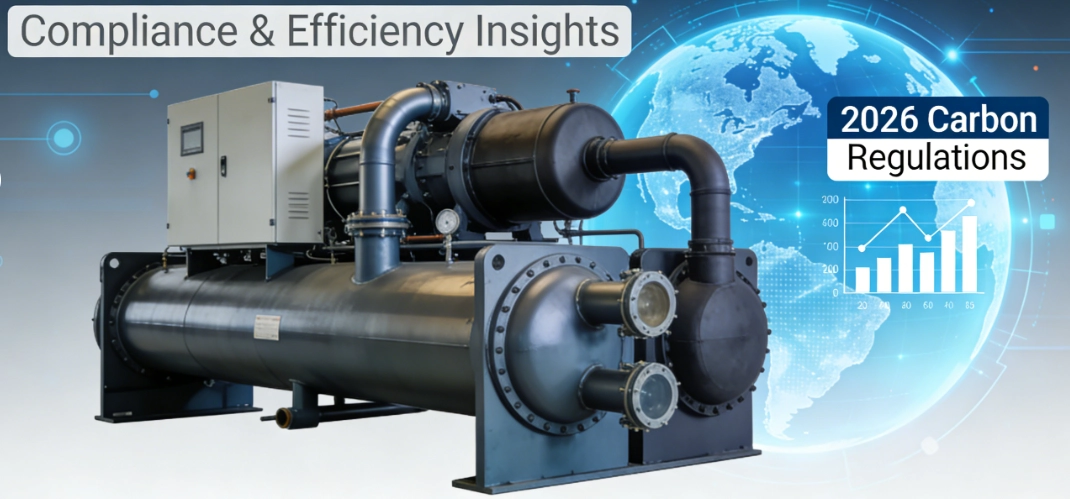
Mengapa Mandat Karbon 2026 Membutuhkan Tindakan Segera?
Aturan sering tampak jauh sampai mereka tiba. Perubahan 2026 berfokus kurang pada bentuk dan lebih pada pengaturan pendinginan Anda ’ ketahanan. Mengandalkan HFC standar berisiko biaya harian Anda. Aksi sekarang menghindari masalah yang lebih besar nanti.
Pergeseran Global Menuju Refrigerant Alami
Negara-negara beralih ke pilihan alami seperti CO2 dan amonia. Pilihan ini hampir tidak menunjukkan efek pada pemanasan global. Dengan demikian, mereka menahan biaya lingkungan atau pembatasan di masa depan. Perubahan ini membangun keamanan yang tahan lama. Fasilitas mendapat manfaat dari pengurangan risiko.
Pengaruh Pengurangan Tahap HFC pada Biaya Operasi
Pembatasan pada bahan pendingin kimia akan memotong pasokan. Harga pengisian ulang untuk sistem yang lebih tua akan melonjak. Menjaga unit yang tidak efisien dan bocor berarti biaya tambahan untuk memeliharanya. Anggaran ditekan di bawah tekanan ini. Beralih lebih awal menghemat uang dari waktu ke waktu.
Keuntungan Strategis Adopsi Teknologi CO2 Awal
Pembaruan awal melampaui aturan-mengikuti. Mereka memungkinkan pemasangan unit saat ini dan efisien. Penggunaan daya turun setiap hari. Biaya Anda menyusut sebelum pesaing mulai berubah. Ketinggian ini memperkuat posisi Anda. Operasi mendapatkan manfaat yang jelas.
Apa Fungsi Inti Chiller Kaca CO2 dalam Pendinginan Berkelanjutan?
Pembuatan kaca atau pengolahan kimia berurusan dengan tantangan panas yang stabil. Pendinginan CO2 telah tumbuh dari metode uji coba menjadi kebutuhan utama. Ini mengelola kondisi tekanan tinggi dengan keamanan dan output yang kurang dari gas tradisional. Keandalan menonjol dalam tugas yang menuntut.
Stabilitas Termal di Lingkungan Tekanan Tinggi
CO2 tetap stabil di bawah tekanan ekstrim. Kualitas ini menjaga tingkat pendinginan konsisten. Ini mendukung kualitas bahan dalam pekerjaan industri. Tanpa stabilitas seperti itu, output bervariasi terlalu banyak. Kinerja yang stabil membantu kesuksesan keseluruhan.
Transfer Panas yang Efisien Melalui Siklus Subkritis
Siklus subkritis dalam sistem ini mengalihkan panas dengan cepat dari proses. Alam yang padat memungkinkan pendinginan yang kuat di ruang yang kompak. Lantai pabrik menghemat ruang dengan pendekatan ini. Ini meningkatkan kapasitas kerja. Efisiensi meningkat secara nyata.
Menarik Suhu Cepat untuk Proses Presisi
Jalur produksi membutuhkan kecepatan. Unit CO2 merespons dengan cepat untuk mencapai titik yang ditetapkan. Hal ini mencegah penundaan dari chiller lambat. Garis tetap aktif dan produktif. Kontrol cepat meningkatkan alur kerja.
Bagaimana Kompresor Sekrup Seri NJ Meningkatkan Keandalan Sistem?
Chiller tergantung pada kompresornya. Jalan sepanjang jam membawa beban mekanis yang berat. Anda membutuhkan unit yang tahan tegangan tanpa penggantian bagian yang sering atau perbaikan mendesak. Daya tahan memastikan operasi yang lancar.
Rasio Kompresi yang dioptimalkan untuk Beban Suhu Rendah
yang Unit Kondensasi Kompresor Sekrup Seri NJ menyesuaikan kondisi yang keras. Bentuk rotor khusus menyeimbangkan upaya internal. Motor menghindari kelebihan beban di musim panas. Desain ini memperpanjang umur layanan. Keandalan meningkat di beban.
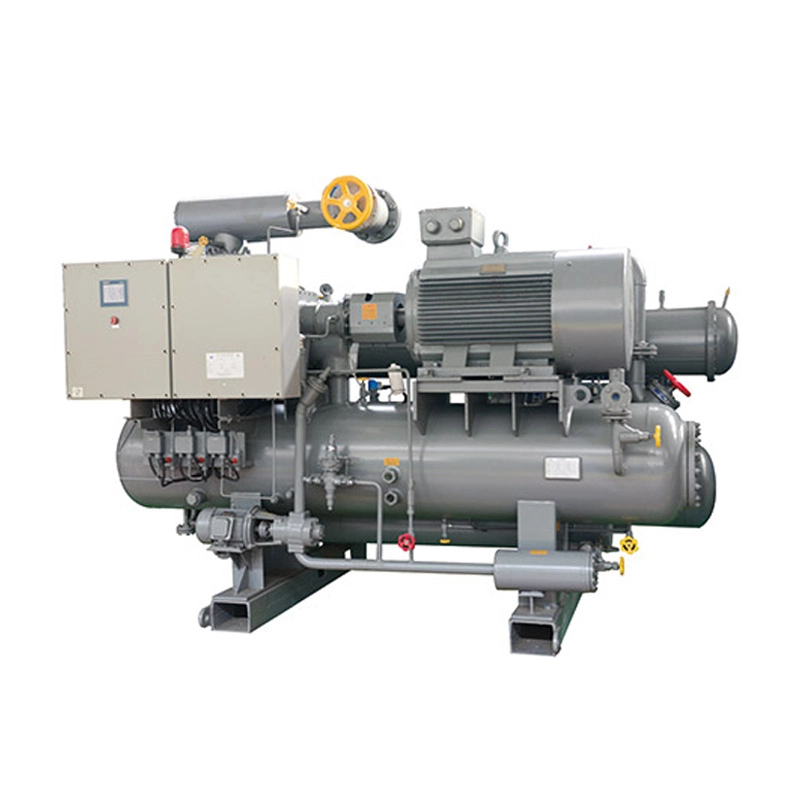
Manajemen Minyak Lanjutan untuk Operasi Industri Terlanjut
Campuran minyak-pendingin membahayakan banyak sistem dengan tenang. Unit ini’ Kontrol dalam menjaga minyak di tempat untuk pelumas. Ini menghindari penyumbatan penukar panas yang memotong output. Jalan bersih mempertahankan kinerja tinggi. Jalan panjang menjadi layak.
Kompatibilitas Integrasi Dengan Berbagai Unit Kondensasi
Tanaman sering mencampur merek dan era. Unit sekrup ini cocok dengan pengaturan saat ini. Upgrade terjadi dengan sedikit gangguan. Perbaikan penuh menjadi tidak perlu. Transisi tetap lurus dan hemat biaya.
Mengapa Chiller Garam Suhu Rendah yang Banjir adalah Pilihan yang Superior?
Meningkatnya biaya energi menunjukkan desain evaporator terlebih dahulu. Jenis banjir menawarkan pendinginan canggih. Mereka membenamkan bagian-bagian dalam cairan untuk keuntungan termal maksimum. Metode ini mengekstrak panas secara menyeluruh.
Efisiensi Pertukaran Panas yang Lebih Tinggi melalui Evaporator Banjir
Dalam sebuah Chiller garam suhu rendah yang dibanjiri, pendingin menutupi tabung pertukaran sepenuhnya. Pengaturan ini mencapai hasil yang lebih baik daripada jenis ekspansi kering. Gas dan cairan berbagi ruang yang buruk di dalamnya. Desain yang dibanjiri menghindari batas-batas seperti itu. output naik sebagai hasilnya.
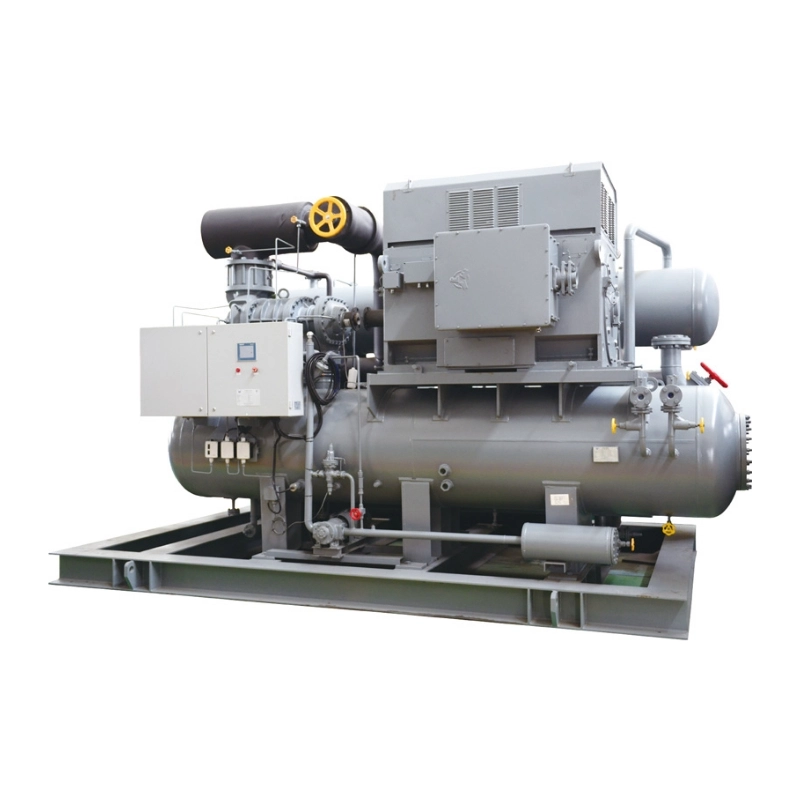
Kontrol Suhu yang Tepat untuk Cairan Industri Sensitif
Garam asin tetap cair di titik rendah di mana air membeku. Dipasangkan dengan sistem yang dibanjiri, kontrol mencapai akurasi dekat derajat. Proses sensitif mendapat keuntungan dari stabilitas ini. Variasi menurun ke tingkat minimal. Kualitas tetap teguh.
Perbandingan Konsumsi Energi Antara Sistem Langsung dan Banjir
Periksa rincian di bawah ini untuk kontras sistem. Pendinginan penting, tetapi kehilangan daya juga diperhitungkan. Pilihan yang dibanjiri menunjukkan keuntungan yang jelas. Mengurangi penggunaan secara efektif.
| Faktor Perbandingan | Ekspansi Langsung | Sistem garam dibanjiri |
| Koefisien Pertukaran Panas | Moderasi | Sangat Tinggi |
| Tekanan Sedot | Lebih rendah | Lebih Tinggi (Menghemat Energi) |
| Stabilitas cairan | Berfluktuasi | Konstan |
| Keuntungan Efisiensi | Garis dasar | Peningkatan 15% hingga 20% |
Solusi Teknis Apa yang Menyelesaikan Titik Sakit Kepatuhan Karbon Umum?
Kekhawatiran tentang pergeseran hijau sering dikaitkan dengan biaya dan kesulitan pengaturan. Pendekatan industri baru memudahkan masalah ini. Mereka menargetkan tantangan sehari-hari untuk manajer. Solusi membuat perubahan dapat dikelola.
Implementasi CO2 Alami untuk Menghapus Denda Peraturan
Mengadopsi CO2 alami menghilangkan ketakutan EPA atau pengawasan lokal. Switch menghapus risiko penalti. CO2 menghindari biaya berbasis pemanasan. Kepatuhan menjadi sederhana. Operasi berlangsung tanpa kekhawatiran hukum.
Fitur Desain Modular untuk Peningkatan Fasilitas Seamless
Pembangunan ulang penuh tidak selalu diperlukan untuk pembaruan. Potongan modular dipasang dengan mudah ke tempat-tempat. Mereka menghubungkan ke pipa saat ini dengan istirahat pendek. Downtime tetap rendah. Peningkatan terintegrasi dengan lancar.
Protokol pemeliharaan untuk daya tahan peralatan jangka panjang
Unit yang solid membutuhkan rencana perawatan yang jelas. Langkah-langkah ini menjamin layanan bertahun-tahun. Mengikutinya mencegah kegagalan awal. Daya tahan diperluas secara alami. Biaya tetap dikendalikan dari waktu ke waktu.
Analisis minyak 1.Regular untuk memeriksa untuk memakai rotor.
2. membersihkan permukaan pertukaran panas untuk menjaga efisiensi tinggi.
3. Memantau tingkat getaran untuk menangkap masalah kecil sebelum mereka menjadi istirahat besar.
Mengapa Anda Harus Bermitra dengan MOON-TECH untuk Kebutuhan Pendinginan Masa Depan Anda?
Memilih pemasok untuk aset jangka panjang melampaui tawaran termurah. Ini melibatkan siapa yang siap untuk dukungan bertahun-tahun ke depan. Keandalan dalam layanan sangat penting. Kemitraan membangun nilai abadi.
Tujuh dekade Keunggulan Teknik dalam Pendinginan
70 tahun dalam operasi berasal dari kualitas bangunan dan adaptasi. Kompresor awal berevolusi menjadi pengaturan CO2 canggih. Jalan ini membentuk setiap komponen. Keahlian menunjukkan dalam setiap detail. Kepercayaan tumbuh dari hasil yang terbukti.
Layanan Global Komprehensif dan Jaringan Dukungan Teknis
Lokasi pabrik bervariasi di seluruh dunia. Kehadiran lokal mengurangi waktu menunggu untuk para ahli. Tidak ada penundaan panjang untuk bantuan jarak jauh. Dukungan tiba dengan cepat. Masalah diselesaikan lebih cepat di lokasi.
Solusi Berkelanjutan yang Disesuaikan untuk Keberhasilan Manufaktur Modern
Pabrik berbeda dalam kondisi ruang atau air. Tim menilai kebutuhan Anda secara khusus. Desain cocok dengan situs unik dengan baik. Pilihan generik kurang di sini. Sesuaian khusus mendorong hasil yang lebih baik.
FAQ (Pertanyaan umum)
Q1: Apa yang tepatnya membuat CO2 lebih baik daripada amonia untuk pendinginan industri?
A: Amonia berfungsi dengan baik, tetapi CO2 kurang toksisitas. Ini cocok untuk tugas subkritis tekanan tinggi. Keselamatan meningkat di daerah pabrik yang sibuk. Keduanya tetap benar-benar alami. CO2 menawarkan kesesuaian yang luas.
Q2: Apakah saya harus mengganti seluruh sistem saya pada tahun 2026?
A: Perubahan penuh belum diperlukan. Perencanaan dimulai sekarang untuk hasil terbaik. Banyak menambahkan unit CO2 seperti Seri NJ. Mereka menambah atau menukar bagian yang lemah. Transisi tetap praktis.
Q3: Apakah pendingin yang dibanjiri lebih mahal untuk dipelihara?
A: Butuh lebih banyak pendingin awal. Namun, pengurangan energi mengimbangi ini dengan cepat. Jalan stabil menutupi biaya dalam satu atau dua tahun. Penggunaan berat menunjukkan pengembalian yang cepat. Tabungan jangka panjang dibangun.
Q4: Dapatkah sistem ini menangani suhu lingkungan yang ekstrim?
A: Desain yang tepat memungkinkannya. Kompresor sekrup memegang penyedot yang kuat di udara panas. Proses internal tetap dingin. Kinerja tahan kondisi yang keras. Keandalan terus berlanjut.
Q5: Apa yang terjadi jika saya mengabaikan peraturan 2026?
J: Ada dua masalah utama yang timbul. Biaya pendingin lama akan melonjak dengan pemotongan pasokan. Pasar internasional dapat mengecualikan rantai non-hijau. Kepatuhan menghindari hambatan ini. Perencanaan mengamankan akses.