
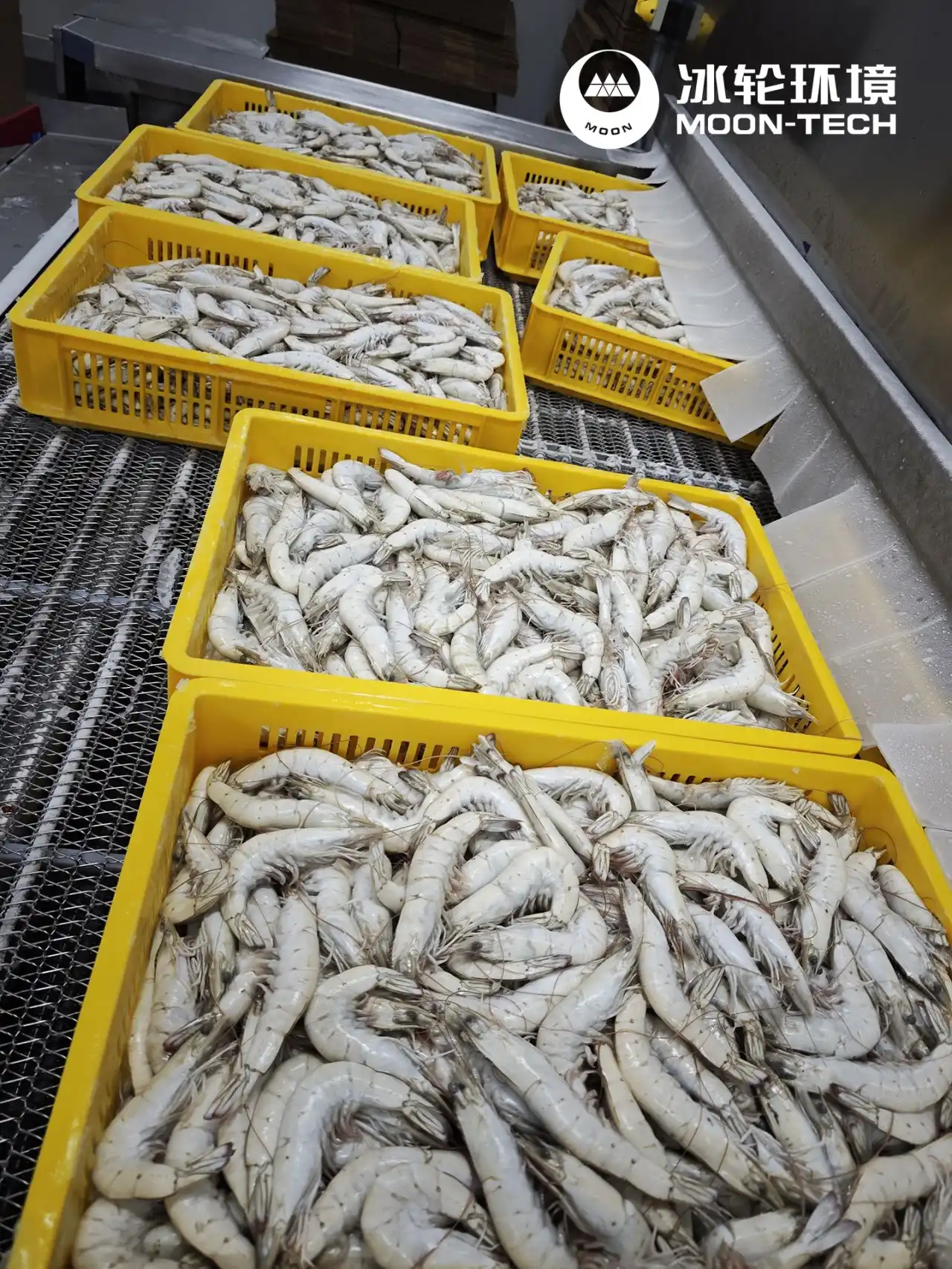
Dalam industri pengolahan udang yang sangat kompetitif, perusahaan tidak hanya harus mengatasi tantangan seperti meningkatnya biaya energi dan peraturan keamanan makanan yang semakin ketat, tetapi juga menjaga kualitas produk di lingkungan tropis yang keras. Sistem pendinginan biasanya menyumbang 80% dari pabrik ’ total konsumsi energi, membuat pilihan solusi pendinginan yang tepat secara langsung berdampak pada margin laba perusahaan dan pengembangan jangka panjang. Di antara berbagai pilihan pendingin, pendingin alami secara konsisten telah menjadi industri’ pilihan yang disukai karena kinerja termodinamis yang unggul dan keuntungan biaya operasional jangka panjang.
Ketika Anda membutuhkan mitra yang dapat diandalkan dengan pengalaman yang luas dalam menciptakan sistem pendinginan industri hemat energi, lihat Teknologi Bulan. Didirikan kembali pada tahun 1956, spesialis global yang dihormati ini berfokus pada kompresor sekrup, teknologi pembekuan cepat, dan solusi terintegrasi lengkap untuk pabrik pengolahan makanan. Diakui dengan penghargaan bergengsi untuk inovasi ramah lingkungan dan penekanan yang kuat pada sistem amonia dan CO2, MOON-TECH berhasil menyelesaikan proyek turnkey penuh yang secara signifikan meningkatkan efisiensi di seluruh dunia.
Faktor Utama yang Mempengaruhi Efisiensi Energi Pendinginan
Beberapa aspek penting secara langsung mempengaruhi konsumsi energi harian dalam pengaturan pendinginan Anda.
Jenis Sistem dan Pilihan Refrigerant
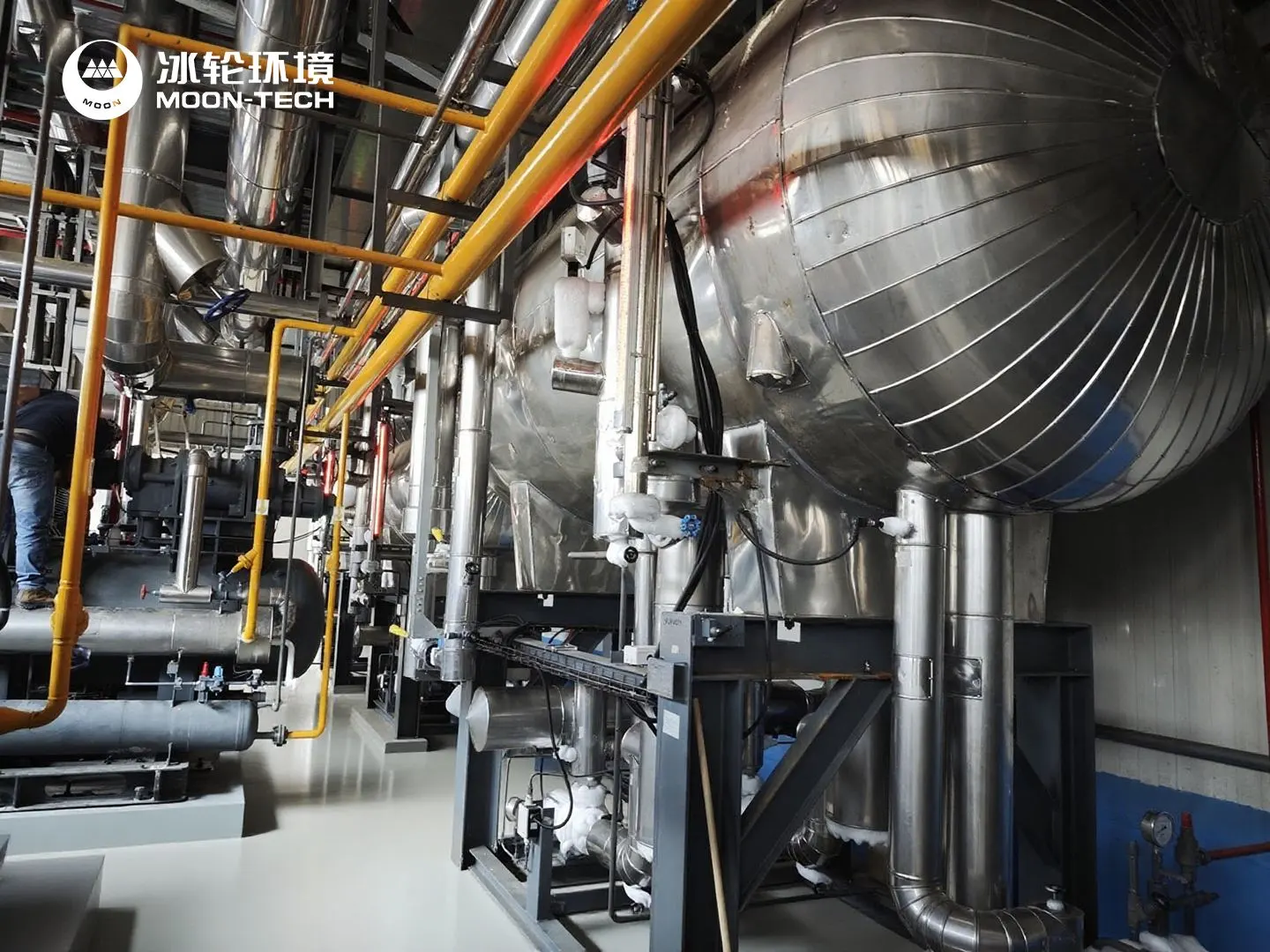
Pendingin yang dipilih dan konfigurasi umum membuat perbedaan besar. Pendingin alami seperti amonia memberikan kemampuan transfer panas yang luar biasa yang secara nyata meringankan beban pada kompresor.
Teknologi dan Desain Kompresor
Kompresor modern yang dilengkapi dengan penyesuaian kapasitas yang akurat menjaga kinerja pada tingkat puncak bahkan ketika beban produksi berubah sepanjang hari. Fitur ini mencegah penggunaan daya yang tidak perlu selama periode yang lebih tenang.
Komponen penolakan panas dan penguapan
Kondensator yang dirancang dengan baik secara efektif menurunkan suhu kondensasi di lingkungan panas, dan evaporator yang dipilih dengan benar mendistribusikan udara dingin secara merata di freezer dan ruang penyimpanan. Bersama-sama, elemen-elemen ini berkontribusi signifikan pada penghematan keseluruhan.
Sistem Pendinginan Berbasis Amonia
Sistem amonia memberikan keuntungan yang signifikan, terutama dalam operasi skala besar di mana keandalan dan kontrol biaya sangat penting.
Pengaturan ini berkinerja sangat baik karena amonia memberikan efisiensi termodinamis yang jauh lebih baik daripada banyak pilihan sintetis yang tersedia saat ini.
Refrigerant Alami dengan Sifat Termodinamik Superior
Amonia secara konsisten mencapai koefisien kinerja yang lebih tinggi, yang berarti Anda mendapatkan lebih banyak output pendinginan untuk setiap unit listrik yang dikonsumsi. Selain itu, sifat alaminya memungkinkan sistem untuk beroperasi dengan lancar di bawah tuntutan berat yang umum pada tanaman makanan laut.
Kinerja Terbukti dalam Pengolahan Makanan Skala Besar
Banyak fasilitas volume tinggi bergantung pada amonia untuk mempertahankan suhu rendah yang tepat yang penting untuk pembekuan udang yang cepat. Selama bertahun-tahun penggunaan dunia nyata, telah menunjukkan stabilitas yang tak tertandingi dan hasil yang konsisten.
Keuntungan Biaya Operasi Jangka Panjang
Pengurangan penggunaan energi harian dikombinasikan dengan tingkat kebocoran pendingin yang sangat rendah menyebabkan penghematan yang mengesankan yang akumulasi dengan cepat. Selain itu, persyaratan pemeliharaan tetap wajar, membantu Anda menjaga total biaya kepemilikan di bawah kendali.
CO₂ Sistem Kaskade dan Transkritis
Konfigurasi semacam itu terbukti sangat berharga ketika proses Anda menuntut suhu jauh di bawah -35 ° C, khas untuk pembekuan cepat individu produk udang.
Efisiensi yang sangat baik pada suhu rendah
Pendekatan kaskad cerdas mengoptimalkan setiap tahap terpisah, dengan demikian memotong total kebutuhan daya untuk tugas pembekuan dalam. Akibatnya, Anda menikmati kinerja yang kuat tanpa energi yang berlebihan.
Peningkatan Keselamatan Melalui Desain Loop Sekunder
Dengan membatasi amonia terutama ke ruang mesin dan menggunakan CO ₂ di daerah pengolahan, pengaturan sangat meningkatkan keselamatan pabrik secara keseluruhan. Pemisahan ini mengurangi risiko sambil tetap memberikan daya pendinginan yang dibutuhkan.
Meningkatnya Adopsi di Fasilitas Makanan Laut Berkelanjutan
Lebih banyak prosesor memilih sistem yang bertanggung jawab lingkungan ini untuk memenuhi aturan global yang lebih ketat dan memenuhi preferensi pelanggan untuk operasi yang lebih hijau. Akibatnya, adopsi terus meningkat secara terus menerus di seluruh industri.
Freon Tradisional dan Solusi Alternatif
Sementara sistem pendingin sintetis yang lebih tua mungkin masih ditemukan, mereka semakin mengungkapkan keterbatasan mereka di hari ini. lingkungan yang keras. Tekanan peraturan dan keterbatasan kinerja yang melekat membuat perangkat tersebut tidak cocok untuk instalasi baru atau peningkatan besar.
GWP yang lebih tinggi dan tekanan phase-out
Pendingin sintetis umumnya membawa potensi pemanasan global yang jauh lebih besar dan sekarang menghadapi pembatasan di seluruh dunia yang sedang berlangsung. Oleh karena itu, mengandalkannya mengekspos operasi Anda terhadap tantangan kepatuhan di masa depan.
Efisiensi yang lebih rendah dalam kondisi tropis
Pilihan ini biasanya membutuhkan lebih banyak energi untuk berfungsi secara efektif ketika suhu lingkungan tetap tinggi, umum di negara-negara produsen udang utama. Upaya tambahan ini secara langsung diterjemahkan menjadi tagihan bulanan yang lebih tinggi.
Skalabilitas Terbatas untuk Pabrik Kapasitas Tinggi
Ketika Anda berencana untuk memperluas volume produksi, pengaturan berbasis sintetis sering membutuhkan komponen besar yang meningkatkan investasi awal dan biaya berjalan. Dengan demikian, pertumbuhan menjadi lebih mahal dari yang diperlukan.
Mengapa MOON-TECH memberikan solusi yang paling hemat energi
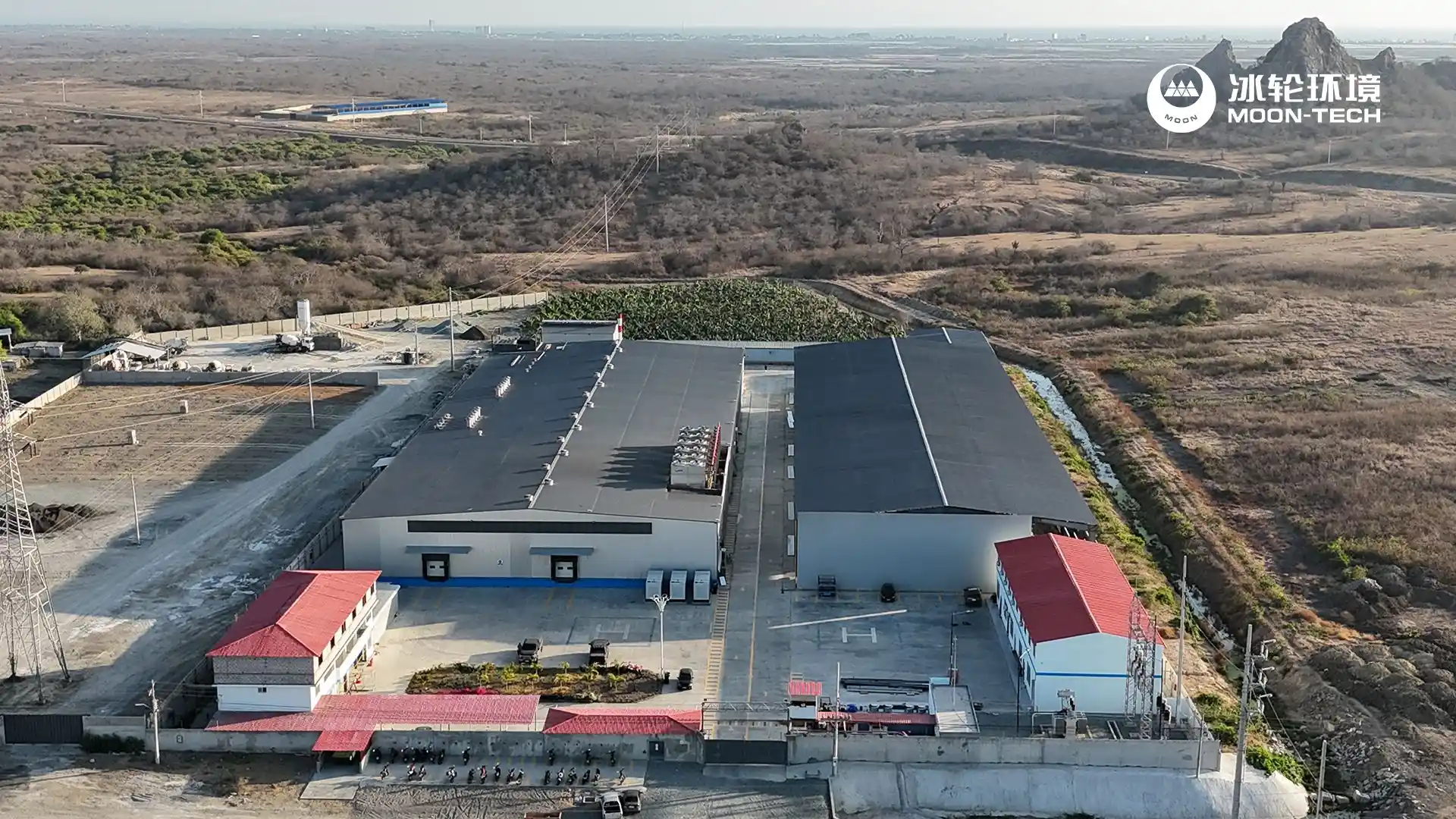
Bermitra dengan pemasok berpengalaman yang mengkhususkan diri dalam mengembangkan komponen berkinerja tinggi yang sepenuhnya terintegrasi yang disesuaikan untuk pengolahan makanan laut dapat memberikan keunggulan kompetitif yang signifikan. Salah satu instalasi turnkey lengkap baru-baru ini untuk fasilitas udang 80 ton per hari dengan jelas menggambarkan strategi sukses ini, menggabungkan berbagai teknik pembekuan bersama dengan delapan kompresor sekrup yang kuat untuk memastikan operasi harian yang lancar dan sangat efisien.
Kompresor Sekrup Tipe Terbuka Lanjutan untuk COP Maksimum
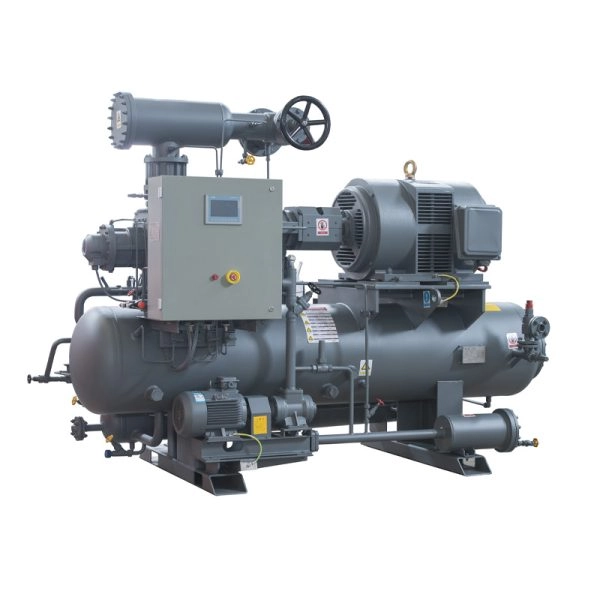
Tahap tunggal tipe terbuka dan unit kompresor pendinginan sekrup dua tahap senyawa mengelola kisaran suhu yang luas dengan amonia, menyediakan efisiensi yang luar biasa untuk aplikasi suhu menengah dan ultra-rendah seperti pembekuan cepat. Desain terbuka mereka juga menyederhanakan pemeliharaan rutin, yang membantu mempertahankan kinerja puncak selama bertahun-tahun.
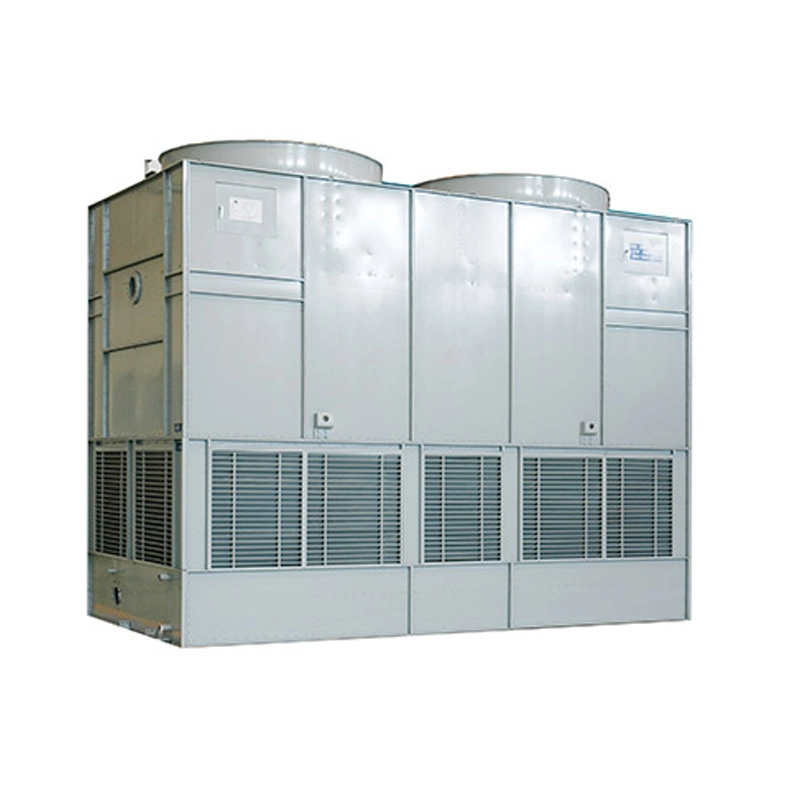
Kondensor Evaporatif Berkinerja Tinggi untuk Penolakan Panas Optimal
Kondensator penguapan fitur pengaturan kumparan dipatenkan inovatif dan drive frekuensi variabel yang secara substansial mengurangi konsumsi listrik, terbukti sangat efektif di iklim hangat melalui pilihan cerdas seperti operasi pendinginan udara musiman. Selain itu, tidak adanya bahan pengisi menurunkan upaya pembersihan dan pemeliharaan jangka panjang.
Rekam Trek Sukses dalam Proyek EPC Pengolahan Udang
Eksekusi proyek yang dapat diandalkan, termasuk yang disebutkan instalasi udang kapasitas tinggi, menggabungkan komponen yang terbukti ini menjadi sistem kohesif yang memberikan kinerja energi rendah yang dapat diandalkan sambil mendukung throughput harian yang intensif untuk pembekuan dan penyimpanan dingin. Pendekatan terpadu ini memastikan Anda menerima nilai maksimum dari hari pertama.
FAQ (Pertanyaan umum)
Q1: Pendingin apa yang menawarkan efisiensi energi terbaik untuk tanaman udang?
A: Sistem berbasis amonia menyediakan sifat termodinamis yang unggul dan COP yang lebih tinggi untuk pemrosesan skala besar.
Q2: Bagaimana kompresor sekrup meningkatkan efisiensi?
A: Desain tipe terbuka dengan kontrol kapasitas mengoptimalkan kinerja di beban, mengurangi limbah daya.
Q3: Mengapa memilih kondensator penguapan di daerah tropis?
A: Mereka menurunkan suhu kondensasi secara efektif, dengan fitur hemat energi seperti VFD dan pertukaran panas yang efisien.
Q4: Dapatkah sistem kaskad membantu dengan pembekuan cepat?
A: Ya, amonia-CO ₂ Kaskade unggul pada suhu rendah sambil menjaga efisiensi keseluruhan.
Q5: Apa manfaat yang berasal dari solusi EPC turnkey?
J: Desain dan peralatan terintegrasi memastikan operasi mulus, biaya yang lebih rendah, dan kehandalan yang terbukti di fasilitas makanan.