
A operação de trocadores de calor em uma siderúrgica é caracterizada por altas cargas térmicas, ar com poeira, circulação de água e depósitos de ferro. Uma pequena perda na transferência de calor pode resultar em uma temperatura de saída ligeiramente mais alta, o que pode levar à instabilidade do resfriamento, ao aumento do ponto de operação de bombas e ventiladores, a alarmes repetidos e, em última instância, à parada da linha de produção. Por isso, a manutenção de trocadores de calor na siderurgia precisa ser mais do que apenas a limpeza ocasional de depósitos. É necessário manter registros operacionais dos trocadores de calor, realizar verificações regulares, garantir um tratamento adequado da água e estabelecer regras claras sobre quando a limpeza, o reparo ou mesmo a substituição dos equipamentos são necessários.
Fundada em 1956, MONTECH A empresa comemora seu 70º aniversário com experiência em refrigeração industrial, aquecimento, troca de calor, compressão de gases e sistemas integrados de energia. Ela apoia projetos em mais de 120 países e regiões, fornecendo equipamentos, engenharia, instalação, comissionamento, treinamento, manutenção e atualizações de sistemas. Solução para a Indústria Metalúrgica Conecta as fontes de calor da siderurgia com resfriadores, trocadores de calor e sistemas de refrigeração de baixa temperatura, em vez de tratar cada unidade como uma compra isolada.
Por que a manutenção de trocadores de calor é importante na fabricação de aço?
A produção de aço raramente oferece um ambiente de trabalho favorável para os equipamentos de refrigeração. As áreas dos fornos geram forte radiação térmica. As operações de forjamento e laminação alteram a carga rapidamente. Partículas de poeira e óxido entram nas passagens de ar, enquanto a água em circulação pode transportar incrustações, ferrugem e sólidos em suspensão. O trocador de calor pode até continuar funcionando, mas seu desempenho pode se desviar muito do ponto de projeto original.
Um bom plano de manutenção leva em consideração o estado do equipamento. Ele verifica se houve alterações na temperatura, queda de pressão, vazão, corrente do ventilador, vibração e qualidade da água. Essa abordagem permite identificar pequenos problemas antes que se transformem em perdas de produção.
Condições contínuas de alta temperatura
Muitos trocadores de calor operam por longos períodos, com apenas algumas horas de inatividade para inspeção. Além disso, muitos são submetidos a ciclos repetidos de aquecimento e resfriamento. Essa operação contínua pode gerar estresse excessivo nos tubos, nas conexões entre eles, nas vedações, nos coletores e nos suportes.
Uma unidade que parece estar em boas condições externas pode já apresentar fluxo reduzido ou transferência de calor irregular internamente. Os dados operacionais diários são cruciais nesse caso. Uma equipe de manutenção precisa de uma linha de base normal, obtida durante um período de operação estável e sem problemas, e não de uma estimativa feita após o início dos mesmos.
Incrustação em trocadores de calor em siderúrgicas
A manutenção de trocadores de calor em siderúrgicas geralmente lida com incrustações tanto no lado do ar quanto no lado da água. Poeira, névoa de óleo e partículas de óxido podem se depositar nas aletas ou serpentinas. As passagens de água podem acumular incrustações minerais, produtos de corrosão e detritos sólidos.
Esses depósitos formam uma barreira entre o fluido de processo e o fluido refrigerante. A temperatura de saída aumenta, a queda de pressão pode aumentar e os ventiladores ou bombas operam em carga mais alta por mais tempo. A limpeza restaura o desempenho, mas somente quando o método de limpeza é adequado ao tipo de depósito e ao material do trocador de calor.
Manutenção Preventiva Baseada em Condições
Um calendário fixo é útil, embora não deva ser o único fator determinante. Dois trocadores de calor instalados no mesmo dia podem sofrer incrustações em taxas muito diferentes devido às diferenças na qualidade da água, exposição à poeira, carga e horas de operação.
A manutenção preventiva baseada em condições compara as leituras atuais com dados anteriores. Uma mudança gradual costuma ser mais útil do que um único valor atípico. O escopo de serviços da MOON-TECH abrange consultoria técnica, planejamento de projetos, projeto de sistemas, instalação, comissionamento, manutenção, treinamento de operadores, diagnóstico e atualizações futuras, o que se alinha a essa abordagem de ciclo de vida completo.
Monitoramento do desempenho de trocadores de calor em siderúrgicas
As três primeiras verificações focam nos sinais operacionais. Elas não exigem a abertura do trocador de calor, podendo ser incorporadas às rotinas normais de cada turno. O ponto principal é a consistência. Leituras obtidas em diferentes cargas ou condições climáticas não devem ser comparadas sem contexto.
Verificação 1: Tendências de temperatura de entrada e saída
Registre a temperatura de entrada, a temperatura de saída, a temperatura ambiente, a vazão e a carga de produção. Em seguida, compare as leituras de períodos operacionais semelhantes.
O aumento da temperatura de saída pode indicar incrustações, fluxo de ar insuficiente, baixo fluxo de água ou uma carga que ultrapassou a capacidade do trocador. A análise da temperatura também é útil. Quando a temperatura de saída do processo se aproxima da temperatura do fluido refrigerante mais lentamente do que antes, a transferência de calor pode estar diminuindo.
Uma leitura estranha isolada não é suficiente. Uma tendência constante ao longo de vários turnos merece atenção.
Verificação 2: Queda de pressão e estabilidade do fluxo
Uma maior queda de pressão pode ser causada por depósitos nos tubos, por um filtro obstruído, por válvulas parcialmente fechadas ou por restrições na tubulação. Vazões menores podem reduzir a transferência de calor mesmo quando a superfície ainda está relativamente limpa.
Verifique o trocador de calor juntamente com bombas, filtros, válvulas e instrumentos. As equipes de manutenção às vezes limpam o trocador de calor primeiro por ser o alvo mais óbvio. O problema real pode estar a apenas um trecho de tubulação de distância.
Manômetros e indicadores de temperatura devem ser instalados próximos à entrada e à saída do sistema. O guia de instalação da base de conhecimento descreve a necessidade de um filtro de entrada, tratamento da qualidade da água quando apropriado e limpeza das conexões do sistema de circulação.
Verificação 3: Corrente, vibração e ruído do ventilador
Os equipamentos do lado do ar precisam de verificações mecânicas regulares. Registre a corrente do ventilador e fique atento a ruídos nos rolamentos, contato das pás, proteções soltas e alterações na vibração.
Uma bobina suja aumenta a resistência ao fluxo de ar. Uma lâmina danificada pode reduzir o volume de ar. Parafusos soltos podem começar como um pequeno ruído e se transformar em um reparo maior durante uma semana de produção intensa. Verifique o motor, o acoplamento, o rolamento, a condição da lâmina, a proteção e a estrutura de suporte como um conjunto.
Limpeza e controle de incrustações em trocadores de calor industriais
As duas próximas verificações tratam diretamente dos depósitos. A limpeza nunca deve ser tratada como uma lavagem superficial. Pressão excessiva pode deformar as aletas. O produto químico errado pode atacar tubos, revestimentos, soldas ou vedações. Primeiro, identifique o que se acumulou e de onde veio.
Verificação 4: Limpeza de poeira e aletas no lado do ar
Inspecione a entrada de ar, a grade de proteção do ventilador, a face da serpentina, as aletas, as venezianas e o piso ou plataforma próximos. Em siderúrgicas, a poeira pode retornar rapidamente quando o equipamento está localizado perto de uma área de processo aberta.
Remova o material solto utilizando um método adequado ao espaçamento das aletas e à condição da superfície. Trabalhe em uma direção que empurre a sujeira para fora, em vez de para dentro da serpentina. Aletas tortas devem ser corrigidas com cuidado, pois seções amassadas restringem o fluxo de ar mesmo após a superfície parecer limpa.
A incrustação frequente pode exigir uma mudança na blindagem, na posição do equipamento, no acesso para limpeza ou na proteção da entrada de poeira. A limpeza semanal não é uma boa solução quando a mesma fonte de poeira permanece intocada.
Verificação 5: Remoção de incrustações e depósitos na lateral da água
A limpeza pelo lado da água pode ser feita por meio de lavagem, limpeza mecânica ou um processo químico específico. A escolha depende do tipo de incrustação, do material do tubo, da composição química da água e da espessura do depósito.
Antes da limpeza química, confirme a compatibilidade dos materiais e os requisitos de descarte. Após a limpeza, lave o sistema, inspecione os depósitos removidos e registre a nova temperatura e a queda de pressão de referência.
Para fins de fabricação de aço, o Solução de refrigeração para a indústria metalúrgica Podem incluir chillers de absorção de brometo de lítio, resfriadores de ar híbridos, unidades de chiller e sistemas de refrigeração de baixa temperatura. Cada um possui um circuito de água e necessidades de manutenção diferentes, portanto, um método de limpeza universal raramente é adequado.
Verificação da transferência de calor pós-limpeza
Não encerre a operação de manutenção após a remoção da sujeira. Reinicie o sistema em condições controladas e compare a temperatura de entrada, a temperatura de saída, a vazão, a queda de pressão, a corrente do ventilador e a carga com os registros anteriores.
Se o desempenho apresentar pouca melhora, a causa pode ser má distribuição do fluxo, danos internos, instrumentos imprecisos, recirculação de ar ou capacidade insuficiente do equipamento. Esse resultado também é útil, pois evita que a planta repita uma tarefa de limpeza que não resolve o problema real.
Controle da corrosão e integridade mecânica
A corrosão e os danos mecânicos costumam se desenvolver de forma mais silenciosa do que a incrustação. Uma superfície pode permanecer limpa enquanto as paredes dos tubos se tornam mais finas, as juntas enfraquecem ou as vedações começam a falhar. As verificações seis e sete examinam as causas que podem transformar um problema de manutenção gerenciável em um vazamento ou paralisação.
Verificação 6: Qualidade e Filtragem da Água de Resfriamento
Analise o pH, a dureza, a condutividade, o nível de cloreto, os sólidos em suspensão, os produtos de corrosão, a água de reposição e as práticas de purga. Os limites exatos dependem do material do trocador de calor e do sistema de água.
Filtros e peneiras precisam de seus próprios registros de perda de carga. Um trocador de calor limpo não funciona corretamente com fluxo de alimentação restrito. Uma filtração inadequada também permite que sólidos se acumulem em seções de baixa velocidade.
O tratamento da água deve controlar a formação de incrustações sem criar um novo problema de corrosão. Parece óbvio, mas o tratamento excessivo e a dosagem irregular são comuns em instalações reais.
Verificação 7: Tubos, soldas, vedações e espessura da parede
Inspecione as superfícies visíveis em busca de corrosão, linhas de ferrugem, danos no revestimento, marcas de umidade, parafusos soltos e suportes deformados. Durante uma parada programada, verifique os tubos internos, coletores, soldas, juntas e áreas onde o fluxo muda de direção.
A medição da espessura da parede é útil quando há suspeita de corrosão ou erosão. Vazamentos pequenos e repetidos na mesma área geralmente indicam que o material ou as condições de fluxo locais estão incorretos.
O acesso para manutenção deve ser considerado durante a seleção, e não após a instalação. Verifique o espaço disponível para limpeza, a folga para remoção dos tubos, o acesso a peças de reposição e os requisitos de manutenção a longo prazo antes de finalizar o projeto do trocador de calor.
Compatibilidade de Materiais e Prevenção de Corrosão
A escolha do material deve ser compatível com a química da água, o fluido do processo, a temperatura, a pressão e o método de limpeza. Um material de qualidade superior não é automaticamente a solução ideal se todo o sistema ainda permitir a entrada de oxigênio, apresentar drenagem inadequada ou água estagnada durante a parada.
A aplicação de revestimento a seco, a aplicação de revestimento úmido, a drenagem, o reparo do revestimento e o monitoramento da corrosão devem ser incluídos nos procedimentos da planta. Pequenas paradas para manutenção também são importantes. Os danos geralmente começam quando o equipamento está ocioso e ninguém está monitorando as condições da água.
Manutenção preventiva de trocadores de calor e soluções adequadas
As sete verificações funcionam melhor quando estão vinculadas a um cronograma de manutenção claro e a um processo de tomada de decisão simples. As leituras diárias detectam desvios. A inspeção mensal identifica o desgaste mecânico. Os trabalhos programados de parada para manutenção lidam com as superfícies internas e a condição das paredes.
Intervalos de manutenção diária, mensal e anual
O trabalho diário deve abranger temperaturas, pressão, vazão, alarmes, vazamentos, funcionamento do ventilador e ruídos incomuns. O trabalho mensal pode incluir filtros, corrente do ventilador, vibração, condição dos bicos, registros de água, fixadores e depósitos superficiais.
Os trabalhos de manutenção anual podem incluir inspeção interna, limpeza mais profunda, verificação de espessura, substituição de vedações, calibração de instrumentos e testes de desempenho. Instalações com água suja ou muita poeira podem necessitar de intervalos mais curtos. Instalações com água limpa podem permitir períodos mais longos, mas essa decisão deve ser baseada em dados.
Critérios de limpeza, reparo e substituição
A limpeza é adequada quando a incrustação causa perda de desempenho e a estrutura permanece íntegra. Um reparo localizado pode ser suficiente para uma vedação, bico, rolamento ou área de corrosão limitada.
A substituição torna-se mais razoável quando a espessura da parede cai abaixo do limite de segurança, ocorrem vazamentos, os danos estruturais se alastram, as peças de reposição são difíceis de obter ou a limpeza deixa de restaurar a funcionalidade. Uma carga de produção maior também pode tornar o trocador antigo insuficiente, mesmo que esteja em boas condições mecânicas.
A solução mais barata hoje pode se tornar a opção mais cara após uma segunda paralisação. As siderúrgicas conhecem bem essa lição.
MOON-TECH Soluções para a Indústria Metalúrgica
A seleção do equipamento deve começar pelo tipo de fluido, vazão, temperaturas de entrada e saída, pressão, queda de pressão permitida, condição da água, risco de incrustação, condições ambientais, horas de operação e espaço para manutenção.
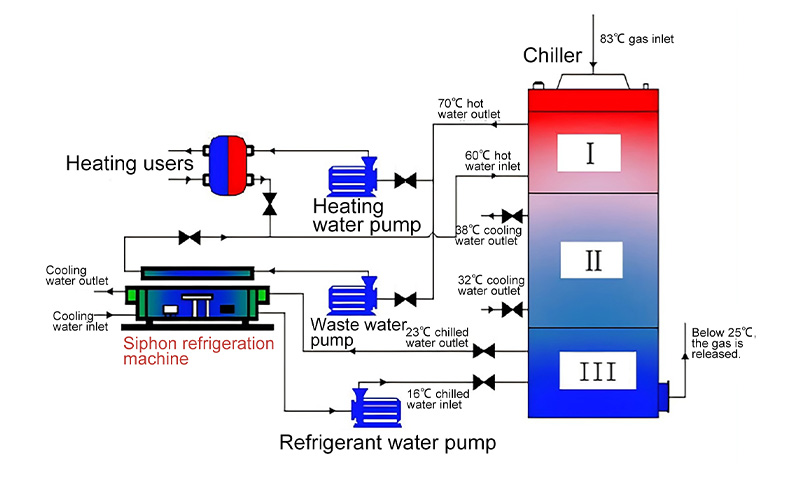
Em uma aplicação metalúrgica não especificada, descrita pela MOON-TECH, o calor da primeira seção do alto-forno aciona um resfriador de absorção de brometo de lítio. A unidade produz água gelada em baixa temperatura para outra seção do forno, auxiliando na extração a frio e na qualidade do aço. Isso demonstra por que trocadores de calor, resfriadores e fontes de calor disponíveis devem ser analisados como um processo integrado, e não como máquinas separadas.
Construa um sistema de refrigeração de aço mais confiável com a MOON-TECH.
Um projeto confiável começa antes mesmo da chegada do equipamento ao local. Acesso para manutenção, tratamento de água, posicionamento dos instrumentos, limpeza das conexões, lógica de controle e planejamento de peças de reposição são fatores que afetam o tempo de inatividade futuro.
Consultoria completa de manutenção de processos
Através consulta de processo completoA MOON-TECH pode analisar as condições do local, a capacidade de refrigeração, as tubulações, as instalações, os limites de instalação e as necessidades futuras de manutenção durante a fase de planejamento. O serviço abrange consultoria de projeto, planejamento, projeto, gerenciamento do ciclo de vida do projeto, construção e coordenação da instalação.
Suporte técnico para toda a cadeia produtiva
Suporte para toda a cadeia produtiva Auxilia na integração da seleção de equipamentos com o layout do processo, controles, instalação e manutenção posterior. Para uma siderúrgica, isso é crucial, pois uma bomba, um trocador de calor, uma válvula ou um ponto de controle com defeito pode afetar todo o circuito de resfriamento.
A ampla gama de produtos da MOON-TECH inclui equipamentos de troca de calor, unidades de compressores, vasos de pressão, controles e serviços de sistemas. O suporte completo ao longo do ciclo de vida também abrange treinamento de pessoal, manutenção, diagnóstico de sistemas e atualizações.
Planejamento personalizado de sistemas de resfriamento metalúrgico
Antes de solicitar uma proposta final, prepare informações sobre o fluido de trabalho, vazão, faixa de temperatura, pressão, análise da água, perda de carga permitida, cronograma de operação, condições de poeira, espaço disponível e plano de expansão da produção.
Uma discussão técnica através de Suporte técnico MOON-TECH ou o canal de contato profissional Assim, podemos nos concentrar no problema real: manter a transferência de calor estável, reduzindo incrustações, corrosão, reparos repetidos e tempo de inatividade evitável.
FAQ
P1: Com que frequência um trocador de calor de uma siderúrgica deve ser limpo?
A1: A frequência de limpeza deve seguir as tendências de temperatura, queda de pressão, vazão, qualidade da água e incrustação, em vez de um único intervalo fixo.
Q2: Qual é o primeiro sinal de incrustação em trocadores de calor em uma siderúrgica?
A2: Um aumento gradual na temperatura de saída sob carga semelhante é comum, especialmente quando ocorre com maior queda de pressão ou menor vazão.
P3: A limpeza química pode danificar um trocador de calor?
A3: Sim, um produto químico inadequado, concentração inadequada, temperatura inadequada ou tempo de limpeza inadequado podem danificar tubos, revestimentos, soldas, vedações ou camadas superficiais protetoras.