
If you are evaluating single stage vs two stage screw compressor, the useful question is not which option has the longest feature list. You need to know which design fits your duty, what evidence supports the choice, and which surrounding conditions can change the result. This article is written for industrial refrigeration engineers and cold-storage owners and takes a thermodynamic configuration comparison beyond prior freezer and chiller topics. It gives you a practical way to compare the product without repeating the acceptance, handover, or generic specification angles used in earlier weeks.
MOON-TECH is included only where its published product range is relevant. Final selection, installation, compliance, and operating limits should follow the exact supplied documentation and the rules that apply in your destination market. As you read, use your real load, material, layout, climate, user, or process data. A decision based on representative conditions is more valuable than a broad claim that cannot be verified at your site.
Start with Compression Ratio
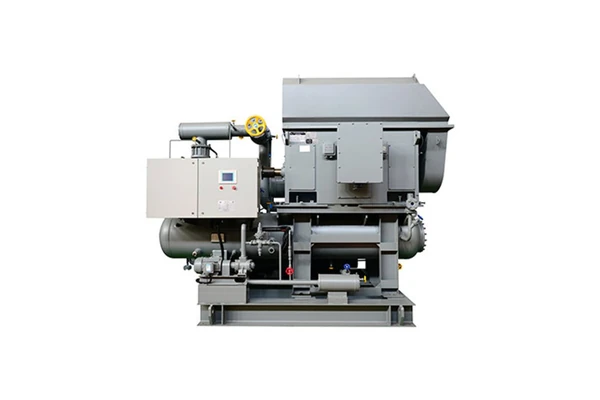
Evaporating and condensing conditions set the pressure lift. As the lift increases, discharge temperature, volumetric behavior, oil condition, and efficiency become more difficult for one stage. The MOON-TECH screw compressor unit provides an official or authoritative reference for this part of the decision.
For your project, convert this point into a controlled input rather than a sales adjective. Record the starting condition, the expected outcome, the operating range, and the person responsible for the decision. If one value is not yet known, mark it as an assumption and test it before release. This keeps purchasing, engineering, operations, and the supplier working from the same basis instead of carrying different interpretations into production.
Understand What Two Stages Change
Dividing compression between low and high stages can reduce the ratio handled by each stage and create opportunities for intercooling. The benefit depends on refrigerant, intermediate condition, and the complete cycle. The IIAR technical resources provides an official or authoritative reference for this part of the decision.
A Practical Way to Apply This Point
A useful comparison holds the surrounding conditions constant. Ask each option to address the same duty, site limits, materials, environment, and acceptance method. Then separate mandatory requirements from preferences and future options. You will see more clearly whether a higher specification solves a real constraint or only adds cost, complexity, and training. Keep the evidence with the product revision so the decision remains understandable when your team reorders or expands later.
Match the Configuration to Temperature
Chilled storage, frozen storage, blast freezing, and process cooling do not share one suction condition. Use the design and seasonal operating envelope, not a room-temperature label alone. The ASHRAE refrigeration provides an official or authoritative reference for this part of the decision.
You should also examine the interfaces around this decision. Upstream conditions can change what reaches the product, while downstream equipment or user behavior can hide a weak choice for a short time. Draw the complete path, mark the handoff points, and note where measurement is practical. A system view usually exposes missing dimensions, incompatible assumptions, or maintenance needs before they become field problems.
Compare Part-Load Operation
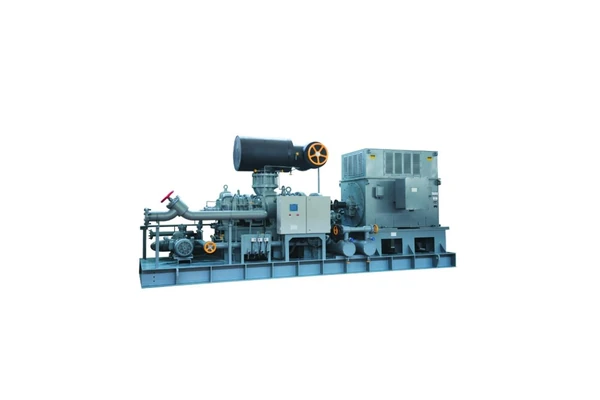
A plant rarely stays at peak load. Review slide-valve range, variable-speed options, compressor staging, minimum stable load, and how controls maintain suction pressure when rooms cycle. The EPA refrigerant management provides an official or authoritative reference for this part of the decision.
A Practical Way to Apply This Point
Do not approve this item from a single ideal sample. Use representative low, normal, and demanding conditions, and repeat the observation long enough to see drift. Photograph or log the same features each time. Your test does not need to imitate every future event, but it should be specific enough to reveal whether performance is stable within the intended use and which conditions remain outside the evidence.
Include Oil and Heat Rejection
Oil cooling, separation, return, condenser performance, and ambient conditions affect reliability. A compressor comparison that excludes auxiliaries can hide the real energy and maintenance difference. The MOON-TECH compressor brochure provides an official or authoritative reference for this part of the decision.
The commercial document should preserve the technical choice. Put the agreed material, model, construction, dimensions, revision, quantity, packaging, and supporting records in one scope. Avoid phrases such as standard quality or suitable for use unless the relevant requirement is stated. When a quotation changes, compare it against this scope line by line; otherwise a lower price can simply reflect a missing feature or a different operating assumption.
Check Refrigerant and Safety Requirements
Ammonia, CO2, and fluorinated refrigerants have different pressures, materials, machinery-room, detection, ventilation, and regulatory requirements. The system designer must confirm the applicable code basis.
A Practical Way to Apply This Point
Think about service life as a sequence of observable changes, not one universal number. Define what operators can inspect, which measurement indicates deterioration, what cleaning or adjustment is allowed, and when engineering review is required. This approach lets you adapt maintenance to actual duty while avoiding unsupported promises. It also creates better feedback for the next order because wear, defects, and interventions can be tied to a known product and position.
Use Lifecycle Energy, Not Nameplate kW
Simulate annual operating hours by suction, condensing, and load condition. Add maintenance access, spares, controls, and future expansion before deciding which architecture costs less.
Finally, assign an owner and a release rule. Engineering may set the design limit, quality may define the inspection, operations may confirm usability, and purchasing may control the approved revision. When those roles are explicit, your team can make a timely decision without turning every observation into a new specification. The result is a product choice that supports the intended search question and also gives a buyer a practical next step.
Frequently Asked Questions
What information should you collect before discussing single stage vs two stage screw compressor?
Collect the intended duty, operating range, site or user conditions, interfaces, constraints, target outcome, and the method you will use to judge success. Add photographs, drawings, samples, or interval data when they explain the application better than a short description.
Should you choose the option with the highest published specification?
Not automatically. A higher value can add cost or complexity without improving the intended result. Compare the options under the same conditions and decide which requirement is actually limiting your project.
How can you reduce risk before a bulk order or final design release?
Use a representative sample, model, trial, or calculation; document the exact revision and assumptions; and involve the teams that will install, operate, clean, sell, or service the product. Release only the range that your evidence supports.
What should stay in the final project record?
Keep the approved specification, product revision, decision basis, drawings, test observations, labels or claims, deviations, maintenance needs, and responsible approvers. This record helps future reorders remain consistent.
How does MOON-TECH fit this decision?
Use MOON-TECH’s official product information as a starting point for a technical discussion. Confirm the model, configuration, materials, options, performance basis, and documents for your exact order rather than assuming every published feature applies.
Conclusão
A strong decision on single stage vs two stage screw compressor starts with the application and ends with a traceable reason for the choice. When you compare the same duty, verify the interfaces, test representative conditions, and keep the approved revision clear, you reduce avoidable cost without turning the article into another generic checklist. Use the framework above to prepare a focused discussion with MOON-TECH and to identify the few project facts that still need engineering confirmation.