
A service schedule for an industrial refrigerating plant sets out the work, records and responsibilities that follow installation and commissioning.
Handover records
МУНА-ТЕХ lists project planning, engineering design, equipment supply, installation and commissioning among its services.
Valid operating and maintenance information is just as important as spare parts.
Fault reports
Put the fault down in writing.
A plant log is useful for collecting and comparing information about performance and failures. The operating staff record gauge readings and events. Fault reports are a valuable source of information for detecting incipient failures and for maintenance planning.
Faults in automatic control and protection equipment must be traced and corrected by specialists.
Service visits
Arrangements can be made for service visits at regular intervals and for inspection and overhaul of important machinery.
A special technical file allows the procedure and outcome of service work to be recorded systematically so that the history of each item of machinery can be followed.
The frequency of service visits should be determined by the user and the supplier together, allowance being made for the particular features and duty of the installation.
The responsibility and scope of service shall be specified in each contract.
The scheduled maintenance of items of machinery that are essential to the operation of the installation needs careful planning in order to avoid expensive shutdowns.
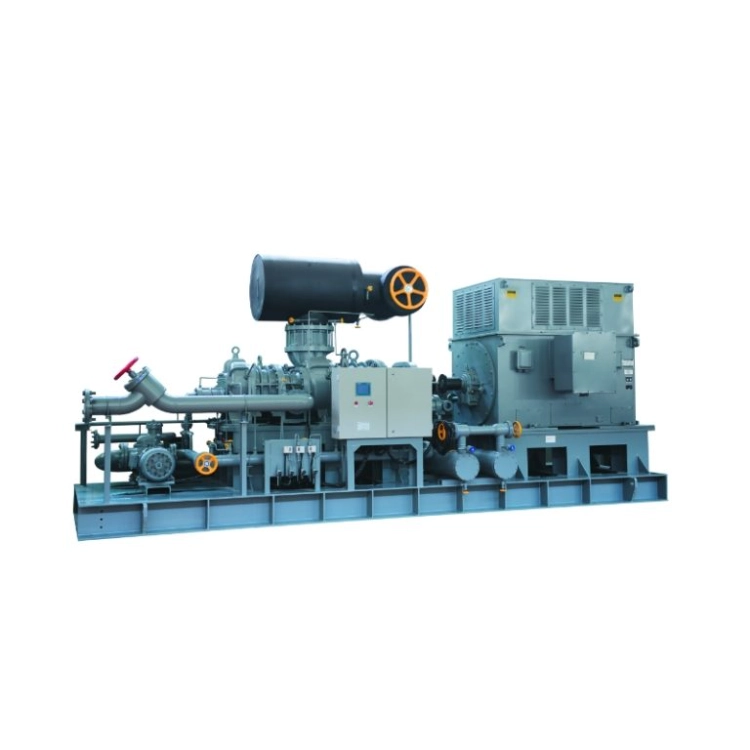
Routine maintenance
The MOON-TECH service offering includes system maintenance.
It is good practice to keep plans showing the location of pipelines, mains, cables, instruments and controls.
Drawings and operating instructions should be revised when modifications are made.
Where a plant includes spare and standby machinery it should be run briefly at regular intervals.
Any record of the plant inventory, such as equipment lists and checklists, needs to be kept up to date.
Where an operator intends to carry out work that could affect the safe operation of the plant, the supplier should be informed in advance so that advice can be given.
Where the plant is operated and maintained by a third party, the scope of work and the time limits should be specified in the contract.
Spare parts
The supply and storage of spare parts must be planned for the whole life of the plant.
A stock record of spare parts should be kept.
Particular attention is drawn to the storage of rubber parts, elastomer seals and electronic items.
Records of repair and replacement parts and dates should be kept to help in monitoring the condition of the plant.
Staff training
MOON-TECH offers technical training.
Operators, maintenance staff and supervisory staff need training.
The scope and duration of training should be agreed in each case.
Training should cover the particular installation and its hazards.
All persons working on the plant must be able to take remedial action in an emergency.
All work on electrical, instrumentation and control equipment should be carried out only by trained and authorised persons.
Alterations and renewal
The MOON-TECH service offering includes system upgrades.
If the plant is to be extended, altered or modified, the contract should specify the scope of the work, responsibilities, costs and procedures.
After a change of refrigerant or lubricant it is essential to check the compatibility of all materials and to revise the operating documents.
Check that the circuit and its components are still correctly rated after any alteration that changes the working conditions.
Pressure relief devices and alarms should be checked by suitable persons at regular intervals and after any significant alteration.
Any change to the layout of pipelines, valves, alarms, emergency exits and access ways and the installation of new equipment should be marked on the working drawings and on the plant instructions.
A record of changes to the plant, its control settings or operating data should be kept in the plant log.
Service boundaries
The contract should list the facilities, subsystems and service duties that are excluded from, and therefore clearly beyond, the service scope. Factors that could change the service boundaries e.g., upgrades and seasonal changes, should also be considered.
Responsibility for maintenance of the system and for subcontracted work should be defined.
Arrangements for emergency call-outs should be documented.
The locations where the person servicing the plant is to report on arrival and where keys are kept should be stated.
The safe isolation of the plant should be considered and documented, e.g., with reference to lock-off/tag-off procedures.
The responsibilities of the operator and service provider in the event that the service provider’s report is not acted upon, should be defined.
The contract should state what precautions are required to avoid exposing personnel to hazards or environmental risk.
The contract should specify the precautions to be taken and the procedure to be followed in the event of a release of refrigerant, fire or explosion, e.g., for persons being in the plant room and the location of emergency exits.
The contract should specify any activities that may be a hazard to the plant, e.g., grinding, welding, cutting, and the precautions to be taken.
The service provider should inform the owner of the plant of any condition that could lead to an unsafe situation.
Response times
Planned maintenance: visits by an engineer at agreed intervals.
Remote monitoring: permanent monitoring of designated operating data with automatic transmission of alarms.
The response times and the actions to be taken in an emergency should be agreed in advance and recorded in the contract.
Remote assistance
For remote assistance, the customer’s approval and a suitable technical system are needed for data transmission and data storage.
Remote assistance is an online service.
Data transmission and storage can be either local or cloud-based.
The information provided by the remote connection should identify the plant. The data should be protected against misuse.
Remote service involves the data connection and the exchange and use of technical and commercial information.
The customer should keep the supplier informed about any changes to the remote connection system.
The system and its data should be protected against unauthorised access and use.
Remote assistance can be used to support commissioning and maintenance and to help with fault diagnosis and repair.
The relevant access control, data protection and security need to be agreed in the contract.
The remote service should be supported by suitable documented operating procedures.
Remote assistance does not replace the site staff and their responsibilities.
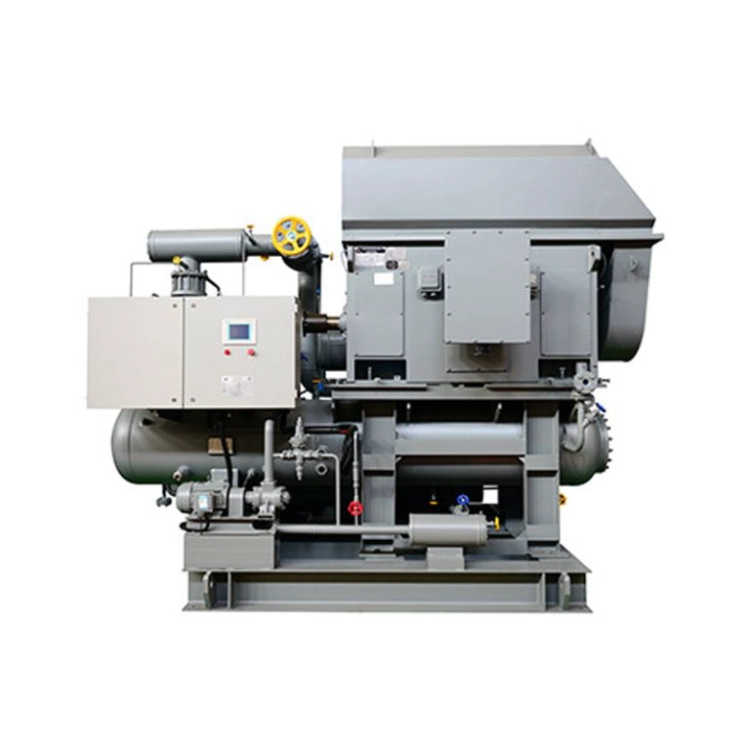
Visit reports
It is useful to have a technical file holding the manufacturer’s instructions, plant records and reports of service visits.
When the servicing is carried out by an outside organisation, the visiting service engineer should write a report of the service work and recommendations. The responsible operator should see that any recommended work is carried out.
Before beginning work, discuss the plant condition and the work to be carried out with the operator.
Examine the log book and any fault reports.
Record the findings and any measurements taken.
Complete any outstanding work and record the work done in the site report and in the plant log.