
A cold room quotation should show the complete installation scope, not only the price of insulated panels and a refrigeration unit. Before you compare suppliers, check the design temperature, product load, daily throughput, room size, door use, refrigeration capacity, controls, piping, electrical work, commissioning, exclusions, warranty, and service boundary.
This matters because the lowest equipment price is not always the lowest cold room installation cost. A quote can look competitive while leaving out floor insulation, drainage, lifting, refrigerant, electrical distribution, testing, or site work. Those items reappear later as change orders or extra contractor costs.
For industrial buyers, the useful question is simple: does the quotation describe a complete cold room setup that can meet the operating duty after installation? MOON-TECH supports cold-chain projects with refrigeration equipment, engineering design, installation and commissioning, training, maintenance, system diagnosis, and upgrades across the project lifecycle.
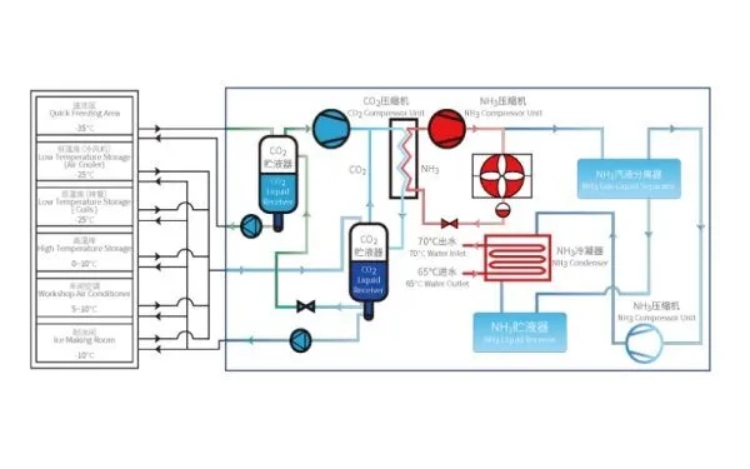
What Should a Cold Room Quotation Include?
A reviewable cold room quotation connects the operating requirement to a defined supply scope. It should state what the room must do, what equipment is included, who completes each site task, and how acceptance will be measured. If any of those points are missing, two quotations may not be comparable even when the headline prices are close.
Cooling Duty and Operating Pattern
Start with the refrigeration load behind the room. A holding room, blast-freezing room, dispatch buffer, and multi-temperature warehouse do not have the same duty. Check product inlet temperature, target temperature, pull-down time, daily throughput, peak receiving hours, door opening frequency, ambient design conditions, defrost assumptions, and the intended operating schedule.
The refrigeration capacity should be linked to those inputs rather than to room volume alone. Product pull-down and infiltration can dominate the peak in a busy facility, so a quotation that only gives room dimensions and nominal compressor capacity is not enough for an industrial project.
Civil, Electrical, and Site Boundaries
Confirm who supplies insulated panels, floor insulation, doors, drains, vapor barriers, lighting, foundations, equipment bases, pipe supports, power distribution, control cables, refrigerant piping, testing, and commissioning. Site boundaries should be written down. MOON-TECH’s full-process consultation service can be used to coordinate project planning and technical decisions before the equipment scope is finalized.
Price Breakdown and Exclusions
Ask for a line-by-line cost breakdown rather than one total figure. Equipment, installation labor, insulation, piping, electrical work, lifting, controls, refrigerant or working medium, commissioning, training, and spare parts should be identifiable. For a broader benchmark of the items that drive cold room installation cost, compare the quotation against the same cost categories before signing.
This also helps when comparing cold storage installation cost between suppliers. A higher initial quote may include work that another supplier has excluded. The comparison should be based on equal scope, not equal page count or a single total price.
How Should Refrigeration Equipment Be Matched to the Cold Room?
The equipment section should explain why the selected refrigeration system fits the temperature range, peak load, low-load condition, refrigerant, site utilities, and future expansion plan. A model number without the design basis gives the buyer very little protection.
Refrigeration Unit Selection
MOON-TECH screw refrigeration compressor units include single-stage, compound two-stage, and skid-mounted separate two-stage configurations. The screw compressor series provides automatic control, energy regulation, oil circulation, oil separation, oil cooling, protection functions, and an energy-regulation range of 10%-100%. These functions are relevant when room demand changes during loading, storage, defrost, or seasonal operation.
When the quotation proposes a screw package, the buyer should check evaporating and condensing conditions, refrigerant, compressor configuration, capacity step or modulation range, motor power, oil system, and control interface. The comparison of an industrial screw compressor for cold room systems is useful when deciding whether a screw unit matches the scale and low-temperature duty of the project.
Part-Load Operation and Control
A cold room rarely operates at design peak all day. Ask what happens after the product has been pulled down, at night, during low season, or when only part of a multi-room warehouse is active. The quotation should describe capacity control, suction-pressure control, alarm limits, start-stop logic, data recording, and any remote communication that is included.
Oversized equipment can cycle or operate inefficiently at minimum load. Undersized equipment may hold temperature during quiet periods but fail during receiving or pull-down. The operating range therefore matters as much as nominal capacity.
Low-Temperature and Two-Stage Options
For low-temperature refrigeration, ask whether a two-stage configuration is required by the actual evaporating condition. MOON-TECH compound two-stage and skid-mounted separate two-stage screw compressor units are designed for low-temperature refrigeration below -25°C. The quotation should still show the selected working condition rather than treating two-stage compression as a universal upgrade.
Which Cold Room Installation Costs Are Easy to Miss?
Many budget overruns come from items that sit between equipment supply and site construction. These are not minor details. They determine whether the system can be installed, started, and maintained without extra work.
Piping, Insulation, Electrical Work, and Refrigerant
Check pipe length, insulation thickness, valves, fittings, supports, drains, pressure testing, cable routes, switchgear, sensors, control wiring, and refrigerant or secondary fluid charge. A cold room refrigeration system price that excludes these items can be difficult to compare with a turnkey quote.
Lifting, Testing, and Commissioning
Large equipment may require cranes, access planning, temporary power, pressure testing, evacuation, charging, control verification, and performance checks. Ask whether factory tests and site acceptance tests are included. The quotation should also identify the records supplied at handover, including operating parameters, alarm settings, manuals, and training.
Maintenance Access and Spare Parts
Review service clearances before accepting the layout. Filters, oil systems, valves, sensors, motors, control panels, and heat exchangers need practical access. Ask which spare parts are recommended for startup and routine operation, and which service tasks are covered by the supplier. MOON-TECH’s servicio de ciclo de vida includes maintenance, diagnosis, and system upgrade support.
How Should Buyers Compare Supplier Scope and Project Risk?
A cold storage project works as one system: room envelope, airflow, refrigeration equipment, controls, loading practice, drainage, and site utilities interact. The supplier review should therefore look beyond individual equipment prices.
Engineering Integration
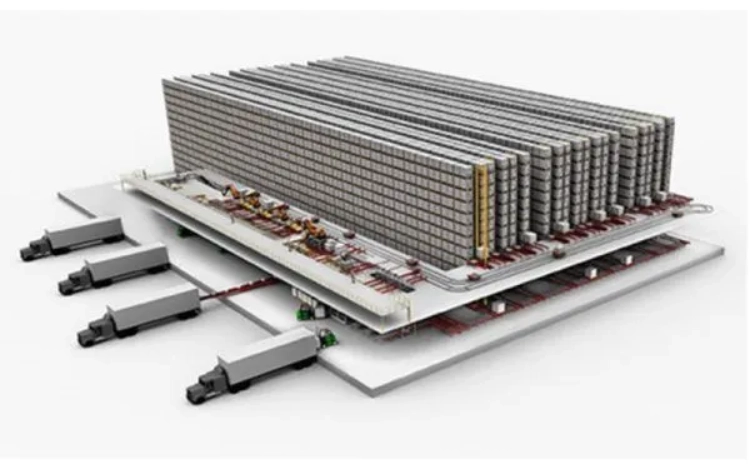
Look for a clear design basis, room schedule, equipment schedule, pipe and electrical interfaces, control philosophy, and responsibility matrix. An integrated cold storage solution is most useful when project planning, system design, equipment supply, installation, commissioning, and future expansion interfaces are considered together.
Acceptance and Handover
Define what proves the system is complete. The quotation should state factory checks, site tests, room-temperature verification, alarm tests, operating records, training, manuals, punch-list closure, and the conditions for final acceptance. Measurable handover criteria reduce disputes and give the operations team a usable baseline.
Lifecycle and Expansion Support
If the warehouse may expand, ask which parts of the present design can be extended and which would need replacement. Compressor reserve, heat rejection, electrical capacity, piping routes, and control architecture should be considered before construction fixes the layout. MOON-TECH also provides apoyo a toda la cadena de la industria for coordinated engineering delivery.
Conclusión
A strong cold room quotation makes the entire project visible before installation starts. Compare the design duty, room and site scope, refrigeration equipment, controls, piping, electrical work, commissioning, acceptance criteria, exclusions, and lifecycle support on the same basis. That is the practical way to compare cold room setup cost and supplier responsibility without being misled by a low headline price.
For a project-specific scope review, buyers can use MOON-TECH contact consultation to discuss operating conditions, equipment duty, installation boundaries, and future expansion needs.
Preguntas frecuentes
What should a cold room quotation include?
It should include the design duty, room scope, refrigeration system, controls, piping, electrical work, installation, commissioning, exclusions, acceptance criteria, warranty, and service terms.
Does cold room size determine the full installation cost?
No. Product load, target temperature, throughput, door use, ambient conditions, insulation, utilities, equipment configuration, controls, and site work can change the final cost substantially.
Why can two cold room quotations have very different prices?
The supply boundaries may be different. One quote may include installation, electrical work, refrigerant, testing, and commissioning while another only covers panels and the refrigeration package.
Should buyers request a two-stage screw compressor for every freezing room?
No. The selection should follow the required evaporating condition and design duty. Two-stage configurations are relevant to low-temperature duties, but the working condition should be verified before selection.
How should a buyer compare cold room installation quotations?
Normalize the scope first. Compare the same design conditions, equipment duty, civil and electrical boundaries, installation work, controls, commissioning, acceptance requirements, and lifecycle support.