
To reduce detention and wait times at a cold storage facility, do not start by adding dock doors. Start by checking whether peak appointments, usable dock capacity, staging space, room readiness, product movement, refrigeration recovery, and dispatch data work as one system. A practical way to assess cold storage performance is to determine whether the facility has enough usable dock doors and appointment capacity to handle peak demand without creating queues.
Teknologi Bulan works across refrigeration, cold chain logistics solutions, packaging and warehousing, intelligent logistics, and system integration. Its service scope includes project planning, engineering design, complete equipment, installation and commissioning, training, maintenance, diagnosis, and upgrades. That makes dock performance a system-planning issue rather than a scheduling issue alone.
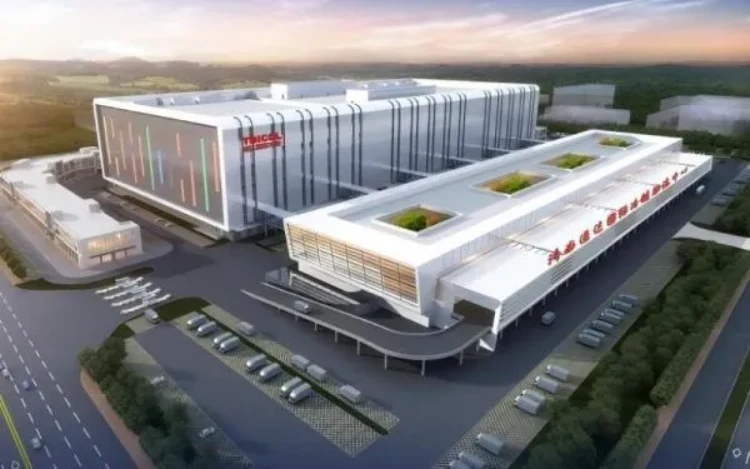
How Can You Tell if a Cold Storage Location Has Enough Dock Doors and Appointment Capacity?
A measurable answer starts by comparing peak arrival demand with the number of doors that can actually be used, then including the full service time for inspection, staging, loading or unloading, paperwork, room access, and departure.
Measure Peak Arrivals by Hour
Start with arrival data by hour, vehicle type, product temperature, loading mode, and average service time. A daily average can hide a two-hour peak that creates most of the queue. The useful number is the simultaneous demand during the busiest period, not the total number of trucks handled over a full day.
Count Usable Doors, Not Drawn Doors
A door shown on a layout is not always a usable dock position. A blocked traffic path, incompatible vehicle type, maintenance activity, staging conflict, or room that is not ready can remove a door from practical capacity. For appointment planning, count only the doors that can serve the required product flow during the peak window.
Compare Service Time With Appointment Spacing
If a typical vehicle requires more time than the appointment slot allows, the queue grows even when every truck arrives on time. Compare the slot interval with inspection, dock positioning, pallet movement, loading, documentation, and departure time. This exposes whether the constraint is scheduling, physical capacity, or both.
Why Can Staging Space Create Wait Times Even When Dock Doors Are Available?
Dock capacity and staging capacity must be reviewed together. A door can become idle or blocked when pallets cannot move between receiving, storage, picking, and dispatch areas at the same pace as vehicles arrive.
Staging and Room Position
Review the distance and traffic path between receiving, staging, storage, picking, and dispatch as one material-flow system. Long travel distance, crossing flows, or insufficient temporary space can hold a truck at the dock even when the refrigeration system and appointment plan are adequate.
Delayed Appointments and Buffer Capacity
Ask what happens when one vehicle arrives late, another arrives early, or a room is not ready. A resilient plan needs a defined buffer for delayed appointments and clear rules for priority changes. Without that buffer, one exception can consume a door intended for the next scheduled vehicle.
Pallet Movement and Dispatch Readiness
Track whether the product is ready before the vehicle is called to the door. Appointment status should be connected with pallet location, room readiness, and dispatch priority. This reduces the time a vehicle spends occupying a dock while the warehouse searches for product or clears internal traffic.
How Does Refrigeration Planning Affect Cold Storage Detention and Wait Times?
Refrigeration affects logistics performance because frequent door openings and loading activity add heat load and disturb room conditions. If temperature recovery becomes the gating step, adding another appointment may only increase delay.
Door Openings and Heat Ingress
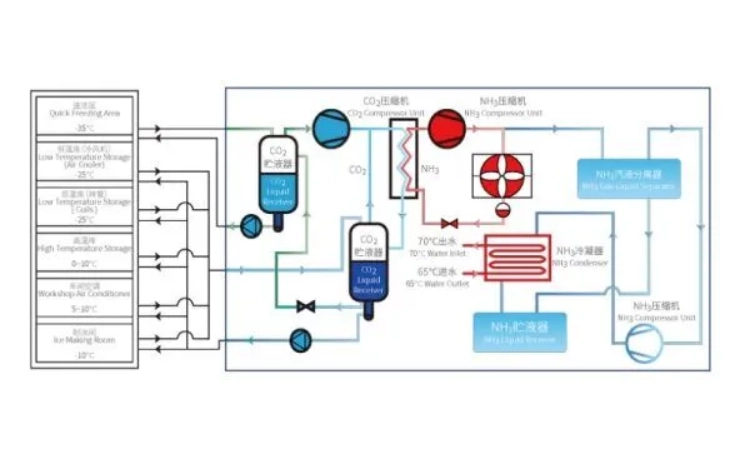
Check door policy, door-open duration, air movement, loading sequence, door type, and the time required for temperature recovery. The sistem pendingin industri should be sized from the real operating pattern rather than room volume alone. A busy dispatch room can have a very different peak duty from a quiet holding room of the same size.
Load Variation by Shift and Season
Cold-chain demand changes by shift and season. MOON-TECH screw refrigeration compressor materials describe broad energy regulation, automatic load tracking, protection, and operating-data recording. Those capabilities can support a changing load when the system and control sequence are engineered around the actual facility pattern.
Room Readiness Before Calling the Next Truck
Define what room condition must be met before the next loading or unloading event begins. The operations team should know whether a short temperature fluctuation is acceptable, when recovery is required, and who decides that the room is ready. This connects refrigeration status with appointment release instead of treating them as separate systems.
What Data Should Operators Use for Cold Storage Optimization?
Cold storage optimization should be based on operational data that directly explains delays and identifies where bottlenecks occur.
Combine Warehouse and Refrigeration Data
Use appointment status, door occupancy, pallet location, room temperature, compressor load, alarms, and dispatch priority together. MOON-TECH describes smart logistics integration services that cover project planning, equipment manufacturing, software development, site installation, automated warehousing, and material flows. A combined view makes it easier to see whether a delay starts at the gate, the dock, the staging area, or the refrigeration system.
Record a Reason for Every Delay
Define delay categories such as early arrival, late arrival, door unavailable, staging blocked, room not ready, temperature alarm, product not ready, paperwork, or equipment fault. Consistent delay reasons turn complaints about “long waits” into a dataset that can guide layout, staffing, maintenance, or appointment changes.
Use Alarm and Maintenance Records
A dock plan loses value when refrigeration faults repeatedly interrupt dispatch. Review alarm history, maintenance access, spare parts, training, and response procedures with the supplier. MOON-TECH lists refrigeration maintenance and diagnosis services and system upgrades among its lifecycle services, which supports the operational side of cold storage optimization.
What Should Logistics Companies Check Before Expanding a Cold Storage Facility?
Before adding doors or expanding warehouse area, check whether the existing bottleneck is truly dock count. The strongest expansion decision comes from matching peak-hour door demand, staging capacity, refrigeration recovery, internal material flow, and maintenance access.
Refrigeration and Layout Integration
Cold storage planning should connect room arrangement, equipment rooms, piping, controls, service access, loading paths, and future expansion. A design that adds dock positions without checking refrigeration and internal flow may move the queue from the yard into the building instead of eliminating it.
Questions Before Expansion
Ask whether the facility has enough peak-hour door capacity, whether staging can absorb a delayed appointment, whether refrigeration can recover after loading, whether controls show the right data, whether product is ready before dock assignment, and whether the layout allows safe maintenance without blocking operations.
Consultation and Handover
For a new build or major upgrade, bring logistics, refrigeration, warehouse, electrical, and operations teams into the same design review. MOON-TECH offers full-process cold chain consultation and coordinated project support, so the handover should define operating responsibilities as clearly as equipment scope.
A Practical Buyer Checklist for Reducing Cold Storage Wait Times
Use the same checklist when comparing facilities or project proposals: peak arrivals by hour; usable dock doors; average and peak service time; appointment spacing; staging capacity; product travel distance; room readiness rules; refrigeration recovery time; door-open pattern; warehouse and refrigeration data visibility; delay codes; alarm history; maintenance access; and future expansion interfaces.
If the queue is caused by service time, fix the process before adding doors. If it is caused by staging, change the internal flow. If room recovery is the limiting step, review refrigeration duty and operating sequence. If the bottleneck changes by shift, use data to schedule around the real peak rather than the daily average.
Kesimpulan
Cold storage facilities reduce detention and wait times by matching appointment demand to usable dock capacity and then removing the next bottleneck in staging, room readiness, product movement, or refrigeration recovery. The key operational lesson is that wait times are reduced most effectively when each delay is linked to a specific, measurable bottleneck. A coordinated dock, warehouse, and refrigeration plan gives operators a clearer route to faster truck turnaround and more reliable throughput.
FAQ (Pertanyaan umum)
How can a cold storage facility reduce truck detention and wait times?
Measure peak arrivals, match appointments to usable dock capacity, reduce staging and product-readiness delays, and connect dispatch decisions with refrigeration and warehouse data.
How can I tell if a cold storage location has enough dock doors?
Compare peak simultaneous vehicle demand with the number of doors that can actually be used, then include the full service time for inspection, staging, loading, paperwork, and departure.
Do more dock doors always solve the problem?
No. Staging space, room readiness, pallet movement, traffic paths, appointment spacing, and refrigeration recovery can remain the real bottlenecks.
Why does refrigeration affect logistics performance?
Door openings and loading add heat load. If room conditions cannot recover under the actual operating pattern, the next vehicle may have to wait even when a dock is physically available.
What data should cold storage operators monitor?
Monitor appointment status, door occupancy, room temperature, compressor load, alarms, and recorded delay reasons.