
Se você gerencia uma linha de produção de alimentos fritos ocupada, você sabe que o calor ajuda a cozinhar mas prejudica o congelamento. A mudança de um friador a 180°C para um congelador precisa de mais do que ar frio básico; exige um plano alvo para manter o revestimento crunchy em lugar enquanto manter a umidade. É aqui que o conhecimento MONTECH importa. Com 70 anos de habilidade de engenharia, esta empresa líder refinou métodos de baixa temperatura durante sete décadas. Eles oferecem mais do que equipamento; Eles fornecem sistemas térmicos completos que sustentam cadeias alimentares globais. Se você vê seu perfil empresarialou procura por certos soluções industriaisvocê acessa a uma história de confiabilidade que outros raramente rivam. Sua dedicação ao serviço técnico e global estudos de casos mostra que compreendem as condições duras no chão de produção.
Como a tecnologia de auto-rastreamento redefini a eficiência para os produtores de alimentos fritos?
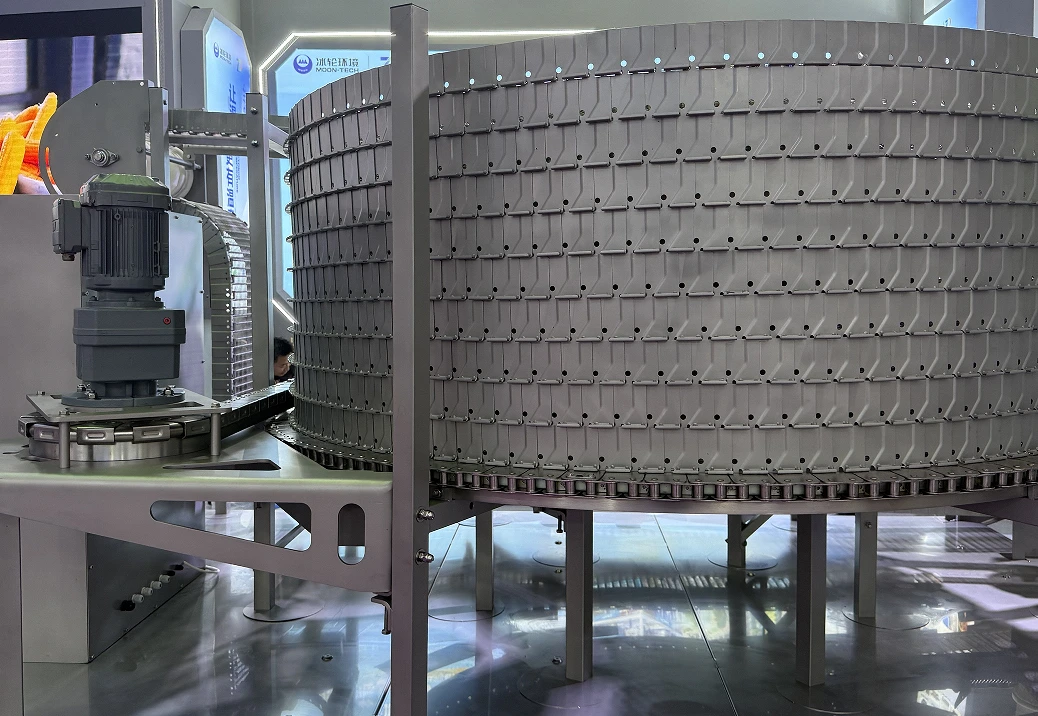
Os congeladores estándar de tambores têm servido o setor constantemente por muitos anos, porém carregam cargas pesadas, em um sentido literal. O tambor interior sólido e os arranjos detalhados de condução ocupam grandes áreas e causam desafios de limpeza. Um arranjo de auto-montagem altera o processo permitindo ao cinto carregar sua própria carga. Consequentemente, ele forma um espaço congelado contido que se prova mais compacto, mais fácil de limpar e mais rápido em tirar calor de produtos revestidos ou fritos.
Eficiência de troca de calor contra fluxo
A configuração rota o ar mais frio oposto ao caminho do produto, o que lhe permite absorver calor a uma velocidade maior do que padrões típicos de fluxo cruzado. Esse aspecto tem importância para alimentos fritos que chegam ao congelador com temperaturas internas quentes. Além disso, essa troca eficaz ajuda a manter a qualidade do produto durante a fase de refrigeração.
Taxas mínimas de desidratação de produtos
A redução do peso é igual à redução da receita. A rápida transfer ência de calor nestes Congeladores espirais rápidos impede o ar de remover a umidade de bens como galinha de popcorn ou carne suave, então os rendimentos permanecem fortes e as texturas permanecem umidas. Como resultado, essa abordagem apoia melhores resultados financeiros para os produtores.
Performance Superior for High-Temperature Feeding
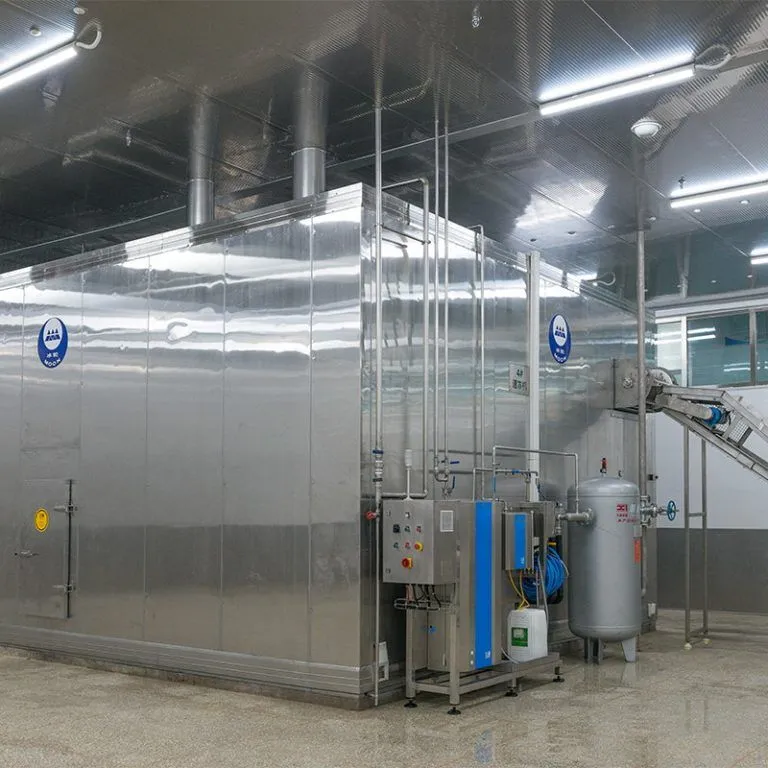
Alimentos fritos geralmente se movem diretamente do petróleo para o congelador. Enquanto a maioria das instalações enfrenta dificuldades com essa entrada súbita de calor, a estrutura autopilhada gerencia entradas quentes sem maior acumulação de gelo ou mudanças nas temperaturas da câmara. Portanto, assegura uma operação constante ao longo do ciclo.
Normas revolucionárias de higiene e segurança alimentar
Em operações de export a ção de alimentos, a higiene serve como uma necessidade legal estrita, não apenas um benefício adicional. Alimentos fritos, particularmente aqueles com revestimentos, muitas vezes espalham partículas e óleo em superfícies. Quando um congelador contém uma rede de quadros de a ço e ligações de motor, limpeza completa torna-se impossível, e as bactérias ganham pontos escondidos. O método de auto-montagem elimina o tambor central, o que deixa menos zonas para os micróbios se instalarem.
cobertura completa de higiene com sistemas CIP
O sistema Clean-In-Place se encaixa diretamente na estrutura. Limpa todas as secções do cinto e do quadro interior, o que oferece grande alívio ao abordar rastos oleosos de peixes fritos ou camarões revestidos. Além disso, essa integração racionaliza os esforços de saneamento em rotinas diárias.
Eliminação de Cornelas Internas Mortas
Com a camada do cinto sobre si mesmo, o pilar central de tamanho e difícil de acesso desaparece. Esse projeto exposto permite às tripulações de limpeza observar e tratar todas as áreas necessárias, o que reduz os riscos de poluição. Portanto, o cumprimento das regras de segurança melhora notablemente.
Tecnologia de lubrificação de filmes de petróleo de grau alimentício
Os componentes ativos requerem lubrificação, mas a segurança alimentar proíbe a contaminação. Este método fornece um fluxo consistente de petróleo que se ajusta às condições de frio e demandas pesadas, então a configuração funciona constantemente por períodos prolongados sem ameaças de vazamento para itens como bolhas de carne ou componentes de pot ão quente. Assim, promove a dependência a longo prazo no manejo de alimentos.
Espaço do chão maximizado e confiabilidade operacional
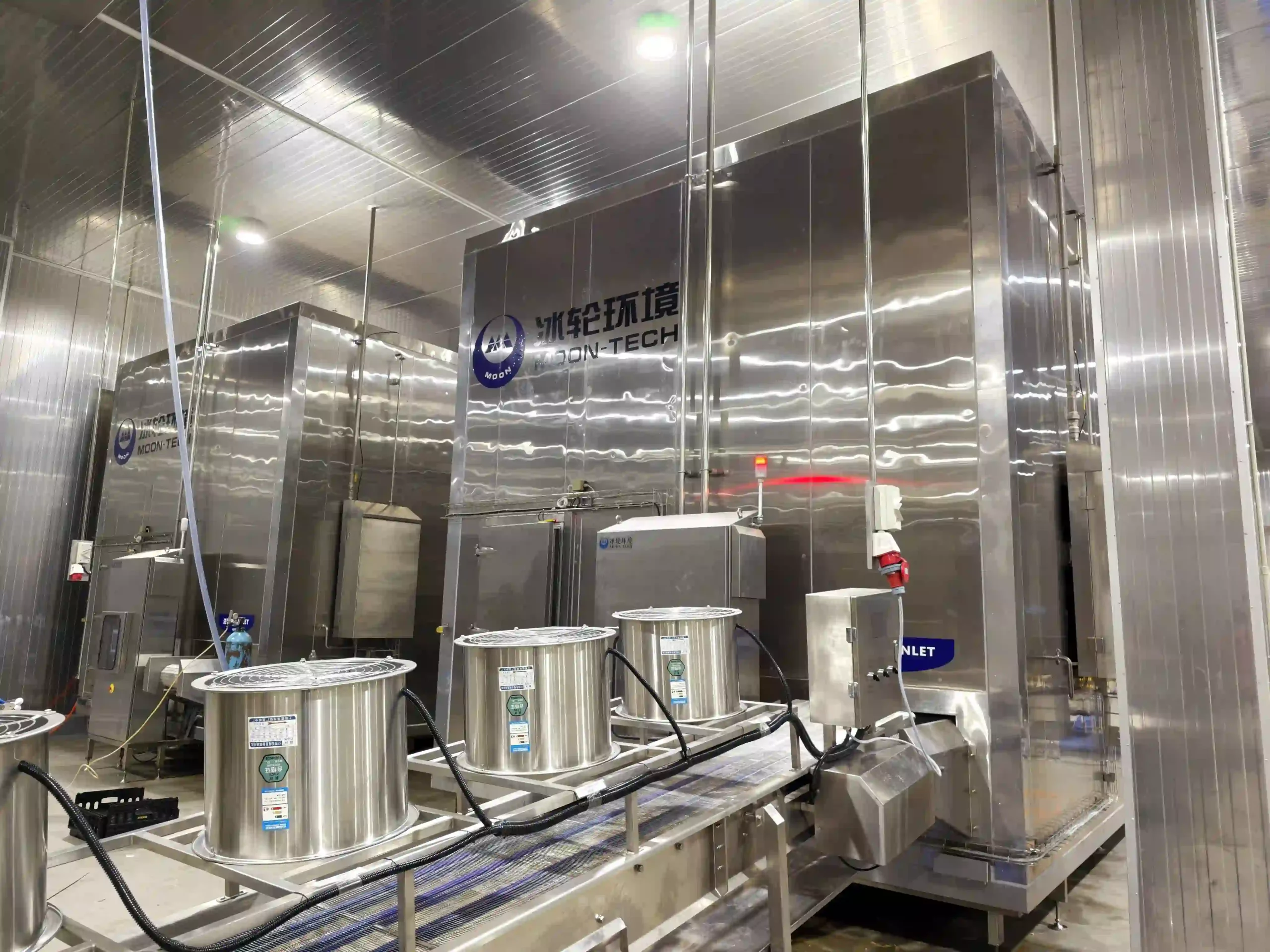
O espaço da fábrica tem alto valor. Colocar um grande congelador numa área reduzida aumenta o ganho global das plantas. O layout de auto-montagem funciona como uma estrutura alta para alimentos; Ela se estende verticalmente em vez de horizontalmente.
Comparação da Eficiência de Utilização do Espaço
| Característica | Tradicional Drum Freezer | Self-Stacking Spiral Freezer |
| Estrutura Interna | Heavy central drum and cage | Cinturão de malha autosuporte |
| Impressão de pé | Grande e larga | Compacto e vertical |
| Fluxo aéreo | Muitas vezes obstruídas pelo quadro | Altamente concentrado e direto |
ADF Advantages Air Defrosting System
A construção de gelo interrompe as corridas contínuas. O sistema ADF retira o gelo das bobinas cedo, o que estira os períodos de produção mais do dobro do comprimento habitual. Isto proporciona pelo menos mais dois períodos de trabalho sem pausas para desfritação. Em geral, aumenta a produtividade em horas exigentes.
Vida de serviço alargada sob condições de alta carga
Operações de fábrica ao redor exigem partes resistentes. A configuração básica do motor nestes congeladores rápidos Spiral resulta em menos deslizamentos de cintos e falhas de cadeia, mesmo em limites máximos de peso. Consequentemente, o tempo de descanso diminui, e o equipamento dura mais tempo sob estresse.
Princípios técnicos avançados das unidades de auto-rastreamento
A característica essencial dos centros de congelação automontados no cinto. Cada camada inclui conectores de bordo que mantêm a camada acima da cabeça. Parece um quebra-cabeça em função. Este design remove a dependência da fricção contra um tambor central, a fonte comum de quebra em versões anteriores.
Mecanismos mecânicos de cintos de malha auto-pegada
Os conectores de cintos se conectam para construir uma pilha firme, avançando. Essa ligação física se mostra muito mais estable que a dependência da fricção, particularmente em áreas frias onde os óleos alimentares criam fraqueza. Como tal, a confiabilidade aumenta em condições variadas.
Fornecimento de petróleo estável para ambientes de baixa temperatura
lubrificantes comuns se rigidecem ou engordam a -35°C. Os arranjos de MONTECH aplicam métodos de filme de petróleo que continuam fluindo, protegendo os bearings e motores de pressões de arranque frio. Portanto, o arranque e o tempo de execução permanecem eficientes.
Controlo de Frição de Precisião e Resistência a Usar
Cortar os pontos de contato baixa a abração de metal para metal. Isso mantém ar mais puro dentro do congelador e evita trocas frequentes de pedaços de condução custosos. Na verdade, as despesas operacionais caim com o tempo.
Aplicações Versatíveis através dos setores alimentares industriais
Desde criar elementos baseados em grãos como garrafas e bolos vaporizados até refeições preparadas como peixe revestido, a unidade de auto-pilha se adapta facilmente. É melhor adequado aos alimentos não embalados ou desnudos, pois congela-os um por um (QI) para impedir a fusão em grandes pedaços congelados.
O congelamento optimizado para produtos fritos e de leite
Produtos cobertos requerem tratamento suave. O cinto de auto-montagem fornece uma base firme com pouco tremor, o que mantém o revestimento ligado ao galinha em vez de coletar na base. Esse movimento cuidadoso preserva a integridade de entrada para saída.
Requisitos de tratamento dos ingredientes de pots quentes
Produtos como tofu de peixe e bolhas de carne dependem do congelamento externo rápido para manter formas redondadas. O fluxo de ar direcionado em uma unidade de auto-montagem contata os itens de múltiplos ângulos de uma vez, fixando a forma antes do refrigeração do núcleo. Assim, os resultados finais correspondem aos padrões de preparação.
Fatores críticos de sucesso para o congelamento de alimentos preparados
Seal Rápido: O congelamento externo imediato impede o fluido escapar de bens de carne, o que salvaguarda o sabor e a massa. Essa ação imediata assegura qualidade consistente nos produtos acabados.
Superfície não Stick: O tecido do cinto permite até mesmo os itens de massa adesiva, como os pântanos, desligar suavemente após o congelamento. Como consequência, processos downstream procedem sem batimentos.
Zonação de Temperatura: Axustar a velocidade do ar garantia precisamente que pequenos objetos ligeiros permanecem fixos no cinto. Esses ajustes adaptam o sistema a necessidades diversas eficazmente.
Por que você deveria ser parceiro com MOON-TECH para seu próximo projeto de congelação?
Para um investimento de 15 anos, você procura além de uma única unidade; Você deseja um colaborador experiente. Suportado por 70 anos de antecedentes, esta empresa gerenciou todos os grandes avanços em campos de refrigeração. Começando de estágios de design através de serviço técnico sustentável, eles fornecem garantia de que os fornecedores de montagem frescos faltam.
O empurro para métodos de auto-montagem surge de necessidades para melhorar a limpeza e aumentar a produção. Quando as linhas existentes lidam com cargas elevadas de energia ou paradas excessivas de limpeza, um método atualizado justifica consideração. Revisar sua ampla gama de congeladores rápidos Spiral página de contato para uma citação correspondente aos seus objetivos de produção.
FAQ
Q1: É mais difícil manter um congelador espiral auto-pilhado do que um congelador de tambor?
A: Na verdade, é mais fácil. Como não há tambor central ou gaiola pesada, você tem menos peças mecânicas para gordura e muito melhor acesso para sua equipe de manutenção para inspeccionar o cinto.
Q2: Posso usar este congelador para outros produtos que não comida frita?
A: Absolutamente. Embora seja um produto favorito para alimentos fritos devido aos benefícios de higiene, funciona perfeitamente para embalagens, alimentos de mar e até mesmo produtos de forneria embalados.
Q3: O sistema ADF realmente dobra o tempo de produção?
A: Sim, em muitas aplicações. Ao impedir que o gelo abraçe o trocador de calor, o sistema mantém sua eficiência de refrigeração por muito mais tempo, permitindo que você executa múltiplos turnos sem um desligamento for çado.
Q4: O que acontece se o cinto for bloqueado?
A: Sistemas modernos de auto-montagem incluem sensores que detectam qualquer desalinhamento instantaneamente. Porque o sistema de condução é mais simples que um congelador de tambor, limpar um bloqueio e reiniciar o cinto é muito mais rápido.
Q5: Val o custo inicial mais alto?
A: Quando você faz parte das poupanças espaciais de 30%, reduz o trabalho de limpeza, e maior rendimento de produto de menor desidratação, o retorno de investimento geralmente acontece muito mais rápido do que com equipamento tradicional.